
2023 Freightliner Conventional Sleeper Trucks For Sale in California

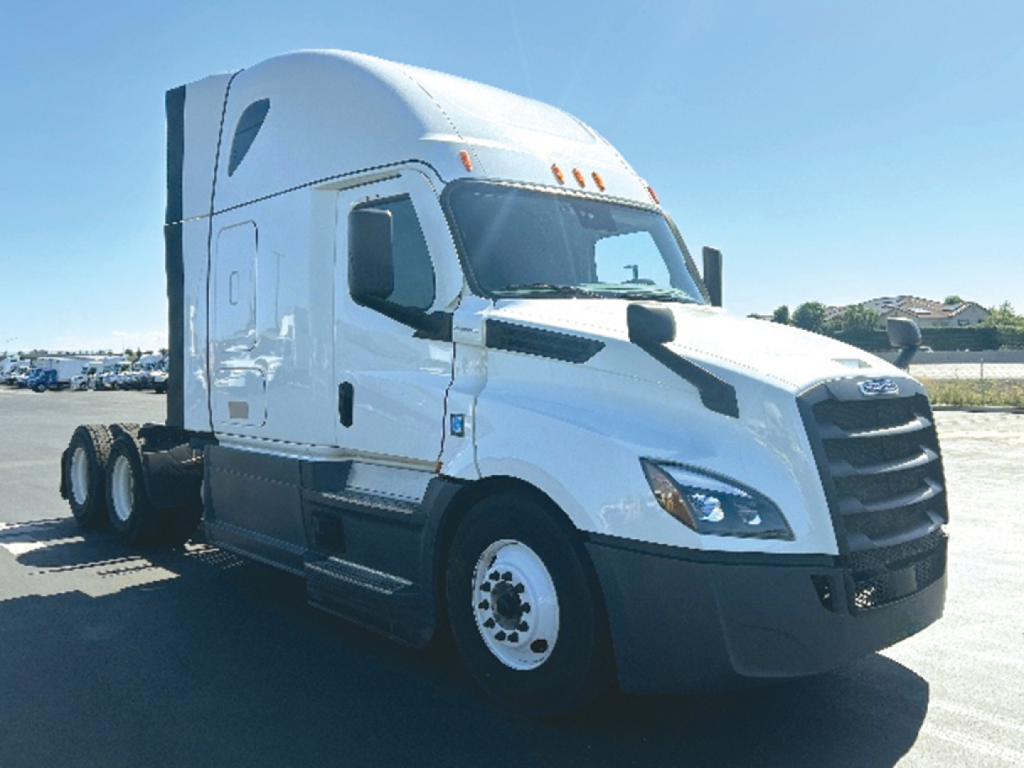
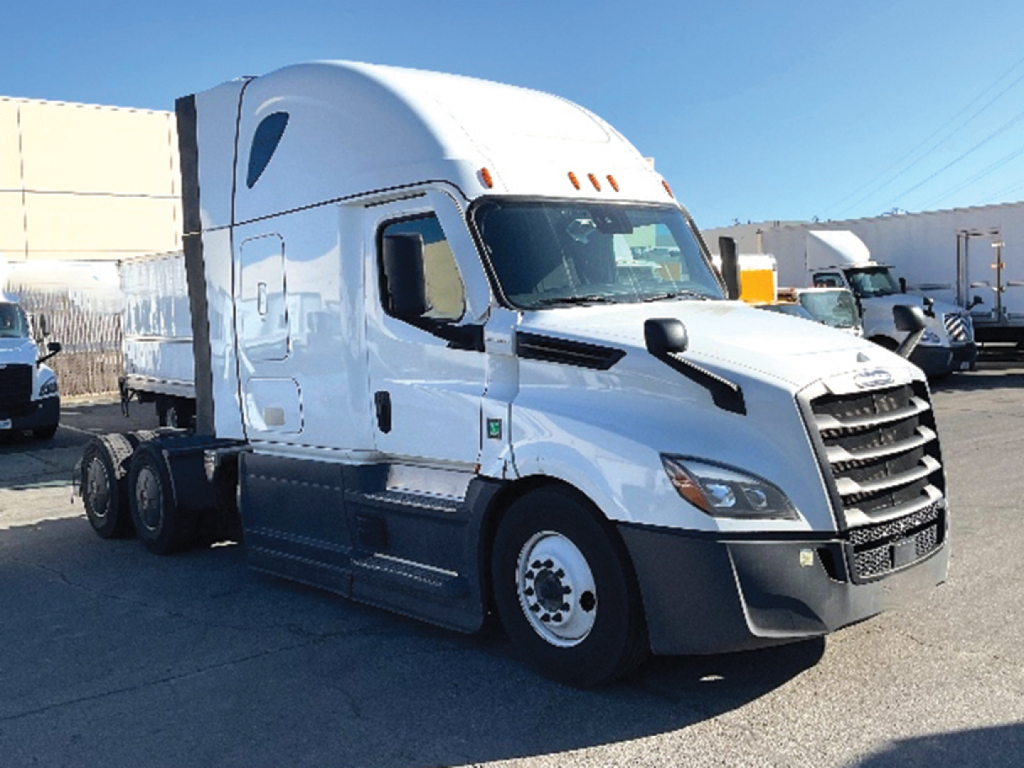
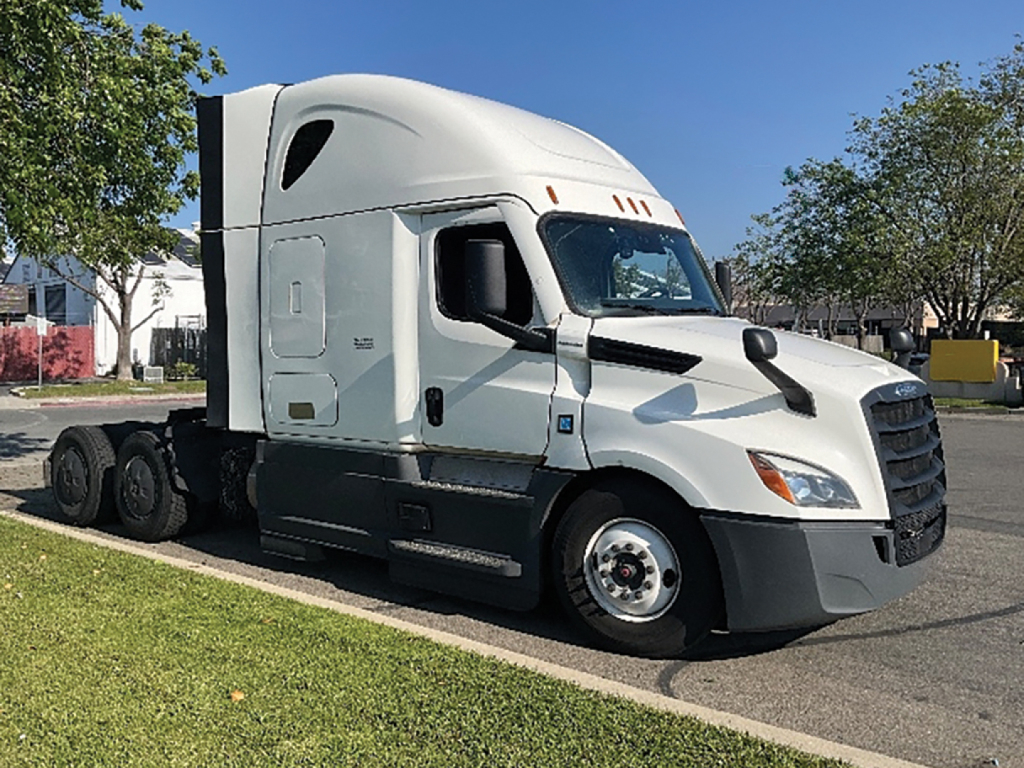
Have 2023 freightliner conventional sleeper truck to sell? List it here to reach thousands of buyers.
2023 Freightliner Conventional Sleeper Trucks in California
The main spec decisions usually start with engine, horsepower, and axle ratio. Many 2023 Freightliner sleeper trucks are equipped with Detroit DD13 or DD15 engines, often in the 450 to 475 horsepower range, paired with the DT12 automated manual transmission. A DD13 can make sense for fleets prioritizing fuel economy and lighter average gross weights, while a DD15 is a more common fit for heavier freight, mountain grades, and higher cruise speeds. Rear axle ratings around 40,000 pounds and ratios such as 2.85 or 3.08 are typical on aero highway tractors. Lower numerical ratios generally favor fuel mileage at road speed, while the right transmission and engine brake setup matter more if the truck will spend time in the Sierra, on I-5, or pulling heavier reefer and multi-stop loads.
Sleeper configuration matters as much as the powertrain. Raised-roof sleepers with an upper bunk, bunk heater, refrigerator, and premium interior trim are common in this category because retention and driver comfort directly affect utilization. Wheelbases in the 229-inch to 235-inch range are typical for a highway sleeper tractor and usually pair well with sliding fifth wheels for kingpin setting flexibility across different trailer lengths and load distributions. Buyers should also pay attention to fuel tank capacity, disc versus drum brake setup, tire size, and aerodynamic equipment such as side fairings, cab extenders, quarter fenders, and horizontal exhaust. These details influence operating cost, maintenance access, and how well the truck fits a specific lane or trailer pool.
For California buyers, emissions compliance, idle management, and safety technology deserve extra attention. A 2023 Freightliner sleeper may include collision mitigation systems, integrated engine brakes, and other driver-assist features that can support fleet safety goals and insurance requirements. It is also worth confirming service history, warranty coverage if any remains, aftertreatment performance, and software update status on late-model trucks. A well-spec'd 2023 Freightliner conventional sleeper should offer a strong mix of aerodynamic efficiency, modern driver amenities, and parts-and-service support, making it a practical choice for fleets and owner-operators who need a current-model highway tractor with broad application across western freight lanes.
Frequently Asked Questions about 2023 Freightliner Conventional Sleeper Trucks in California
What engine is most common in a 2023 Freightliner conventional sleeper truck?
The most common engines in a 2023 Freightliner conventional sleeper are the Detroit DD13 and Detroit DD15. The DD13 is often selected for fuel-conscious linehaul and moderate weight applications, while the DD15 is more common for carriers that need stronger pulling power, higher horsepower ratings, and better performance on heavier or mountainous routes. Both are frequently paired with the Detroit DT12 automated transmission in late-model Cascadia sleeper tractors.
Is a 72-inch raised-roof sleeper a good choice for long-haul use?
Yes. A 72-inch raised-roof sleeper is one of the most practical configurations for over-the-road freight because it gives the driver enough space for rest, storage, and basic living functions without moving into an oversized specialty sleeper. Upper bunks, refrigerators, and bunk heaters are common in this layout, which makes it a solid fit for solo long-haul drivers and many team operations. It also remains a widely accepted spec in resale markets.
What axle ratio is best on a 2023 Freightliner sleeper truck?
The best axle ratio depends on load profile, cruising speed, and terrain. Ratios like 2.85 are commonly used in fuel-efficient highway specs and work well for lighter to moderate freight on flatter routes. Ratios like 3.08 can offer a more balanced setup for mixed terrain and heavier average gross weights. Buyers running California mountain corridors or pulling dense freight should consider the full drivetrain package, not just the axle ratio by itself.
Are automated transmissions standard on late-model Freightliner sleeper trucks?
Automated manual transmissions are very common on 2023 Freightliner conventional sleepers, especially the Detroit DT12. Fleets favor them for fuel economy consistency, reduced driver fatigue, easier onboarding, and lower clutch-related wear compared with traditional manual transmissions. For highway applications, an automated transmission is now a mainstream spec rather than a niche option.
What should buyers inspect on a used 2023 Freightliner sleeper in California?
Key inspection points include emissions system health, fault code history, engine and transmission software status, brake type and wear, tire condition, and sleeper equipment operation. Buyers should also confirm maintenance records, check for collision mitigation calibration issues, inspect the fifth wheel and frame for trailer-related wear, and review any signs of excessive idle time. In California, compliance-related items and aftertreatment performance are especially important on late-model diesel trucks.