
2022 Freightliner Conventional Sleeper Trucks For Sale in California

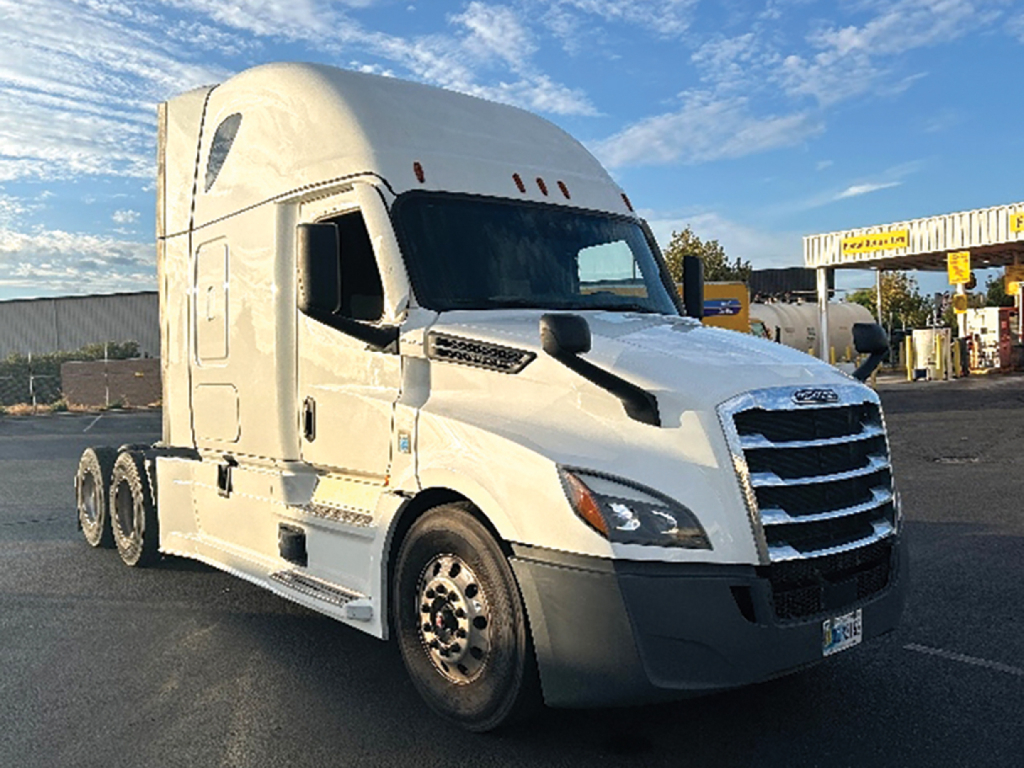
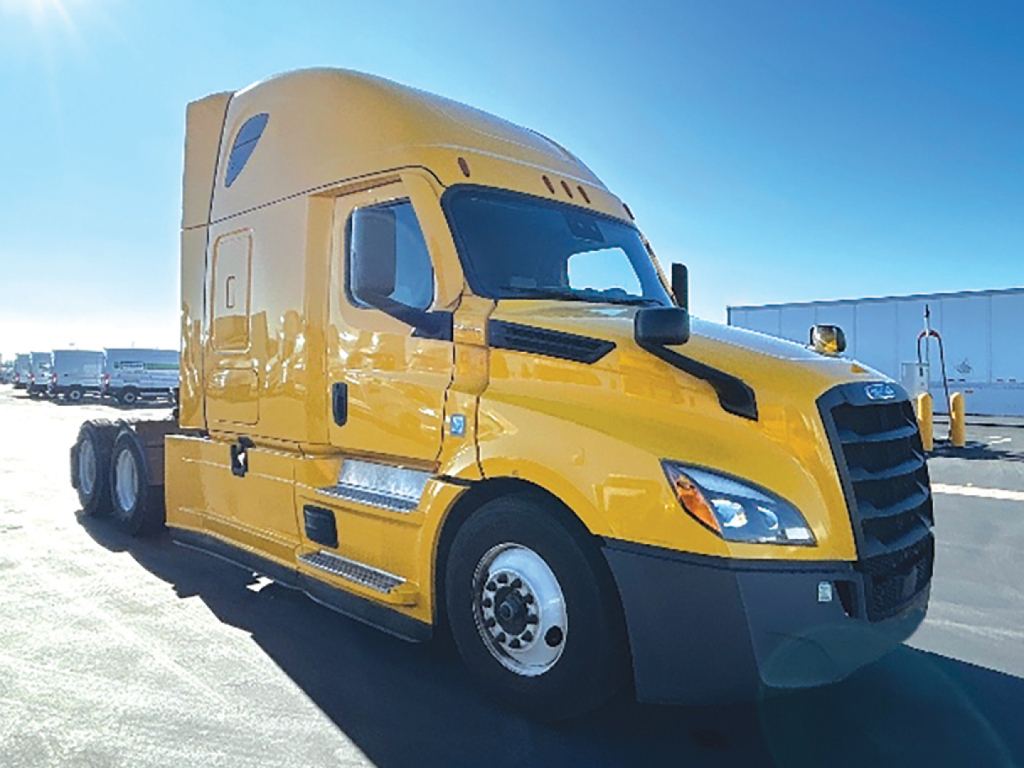
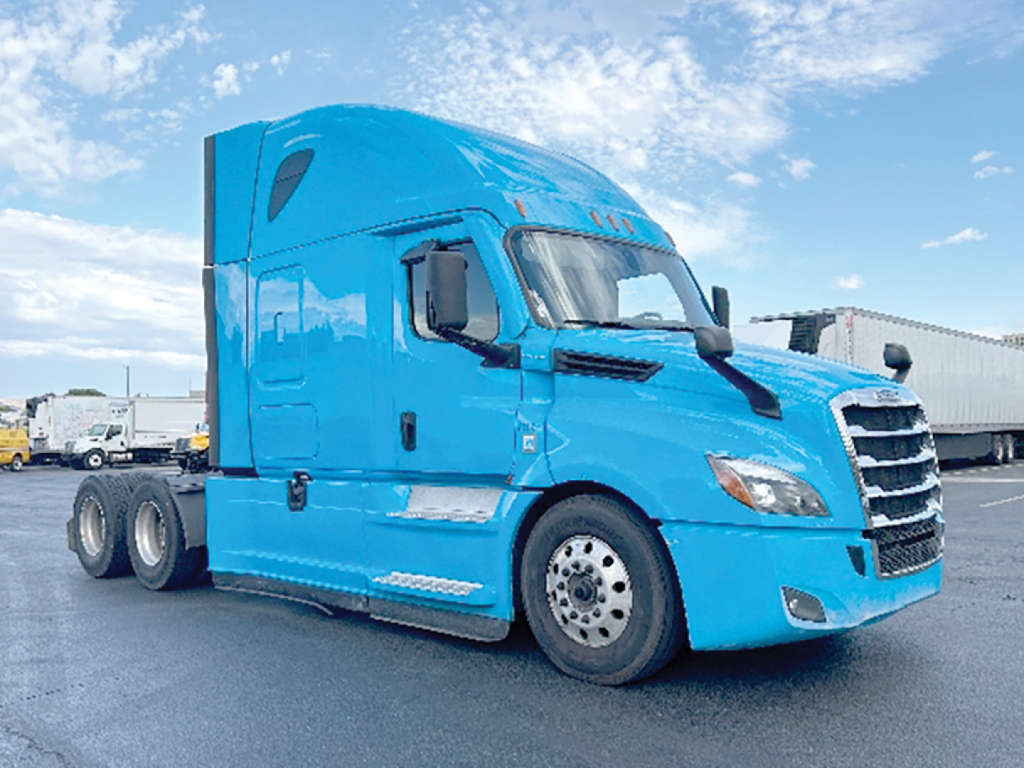
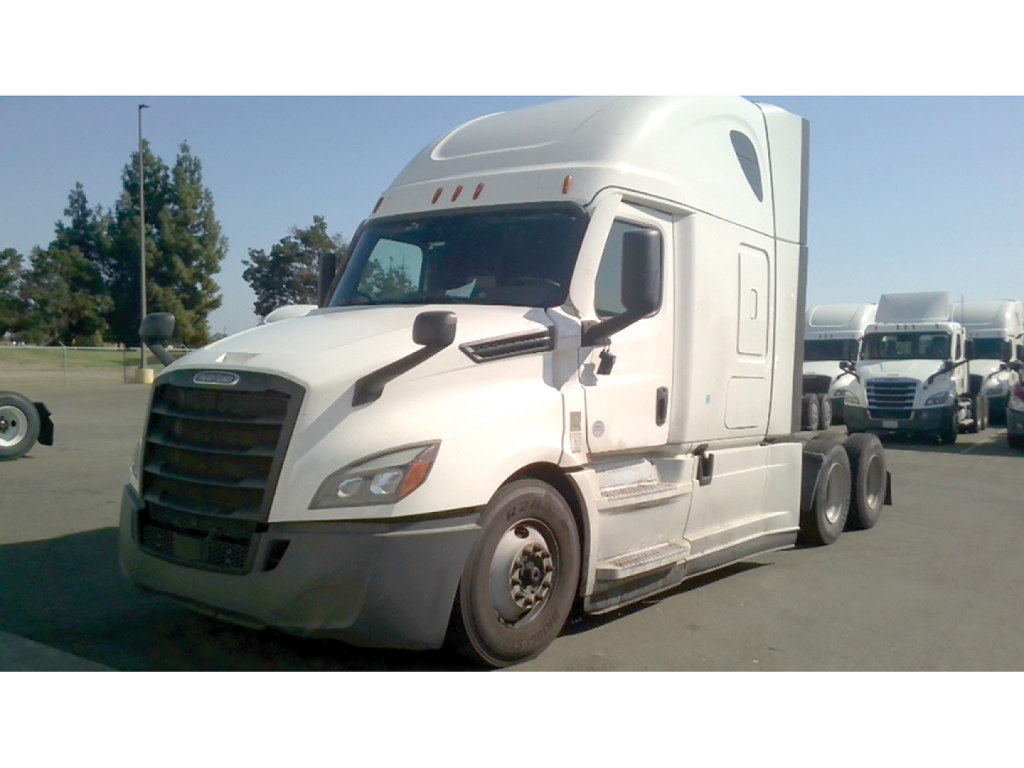
Have 2022 freightliner conventional sleeper truck to sell? List it here to reach thousands of buyers.
2022 Freightliner Conventional Sleeper Trucks in California
Powertrain choice is one of the biggest buying decisions. Many 2022 Freightliner sleepers are spec'd with Detroit DD15 engines in the 455 to 505 horsepower range, while some lighter or fuel-focused builds may carry a DD13 around 450 horsepower. The DT12 automated manual transmission is common and pairs well with fuel-efficient rear axle ratios like 2.85 or 3.08. That combination is popular for dry van and reefer operations running highway speeds across California and the West. Buyers should match horsepower, torque, and axle ratio to average gross weight, terrain, and cruise speed. A lower numerical ratio can improve fuel economy on flatter lanes, while a slightly deeper ratio may feel better in mountain freight or heavier applications.
Sleeper configuration and chassis details affect day-to-day usability more than many first-time buyers expect. A 72-inch raised roof sleeper is a strong fit for over-the-road work because it gives drivers room for an upper bunk, refrigerator, workstation, and bunk heater or APU depending on spec. Wheelbases around 229 to 235 inches are common and usually support a balanced sleeper layout without making trailer swing and yard maneuvering overly difficult. Disc brakes, air ride suspension, power steering, cruise control, and collision mitigation systems are also common features in this category and can make a measurable difference in safety, maintenance planning, and driver retention.
For California buyers, emissions compliance, idle reduction equipment, and aero specification deserve extra attention. Fairings, horizontal exhaust, low-rolling-resistance tire setups, and clean sleeper packaging all support fuel efficiency on long interstate runs. It is also smart to review maintenance history on DD15 aftertreatment components, transmission calibration, tire wear patterns, and fifth wheel slide condition. Freightliner conventional sleeper trucks from 2022 appeal to buyers who want a modern, widely supported highway tractor with a driver-friendly cab, strong Detroit powertrain support, and a spec range that can fit both fleet standardization and owner-operator preferences.
Frequently Asked Questions about 2022 Freightliner Conventional Sleeper Trucks in California
What engine is most common in a 2022 Freightliner conventional sleeper truck?
The Detroit DD15 is one of the most common engine choices in a 2022 Freightliner conventional sleeper, especially in Cascadia 126 highway tractors. Many are rated around 455 to 505 horsepower and are paired with an engine brake for long-haul and mountain service. Some trucks are spec'd with a Detroit DD13 for lighter freight or fuel-focused operations. The right choice depends on your average payload, terrain, and operating speed, but the DD15 is generally the benchmark for broad over-the-road use in this category.
Is the DT12 a good transmission for a used Freightliner sleeper?
The DT12 automated manual is a standard and well-accepted transmission in late-model Freightliner sleeper trucks. It is popular because it supports fuel economy, reduces driver fatigue, and fits fleet operations that want easier onboarding. On a used truck, the key is not just the model of transmission but how it was maintained and calibrated. Buyers should pay attention to shift quality, clutch behavior, fault history, and whether the transmission programming matches the rear axle ratio and intended application.
What sleeper size is typical on a 2022 Freightliner Cascadia conventional sleeper?
A 72-inch raised roof sleeper is a very common configuration in this category. It gives enough room for over-the-road drivers who need an upper bunk, storage, and optional amenities such as a refrigerator, workstation, or bunk heater. This size is a practical middle ground for fleets and owner-operators because it supports multi-day runs without moving into a larger specialty sleeper that can add weight and cost.
What rear axle ratio works best for a Freightliner sleeper truck?
Common ratios in this category include 2.85 and 3.08, and each has a different purpose. A 2.85 ratio is often chosen for fuel-efficient highway operation at steady cruise speeds, especially in van and reefer service. A 3.08 ratio can provide a little more flexibility for heavier loads, mixed terrain, or operations that want a stronger launch feel. The best ratio depends on tire size, transmission programming, average gross combination weight, and the lanes the truck will actually run.
What should I inspect first on a used 2022 Freightliner conventional sleeper?
Start with emissions and powertrain history, because aftertreatment repairs and driveline issues can change the true cost of the truck quickly. Review service records for the DD15 or DD13, check for active fault codes, inspect the condition of the fifth wheel and slide rails, and look at brake and tire wear for signs of alignment or suspension issues. Inside the sleeper, confirm that the HVAC, bunk heater, APU if equipped, refrigerator, and all electrical accessories work correctly. On a highway sleeper, driver comfort equipment can be just as important as horsepower.