
Conventional Sleeper Trucks For Sale in Arizona
Shop conventional sleeper trucks for long-haul freight, with common specs, sleeper sizes, drivetrain options, and buying tips for Arizona fleets.

Have conventional sleeper truck to sell? List it here to reach thousands of buyers.
Conventional Sleeper Trucks in Arizona
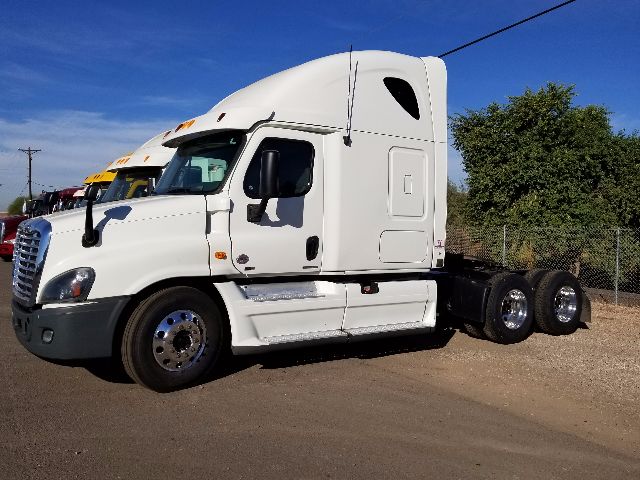
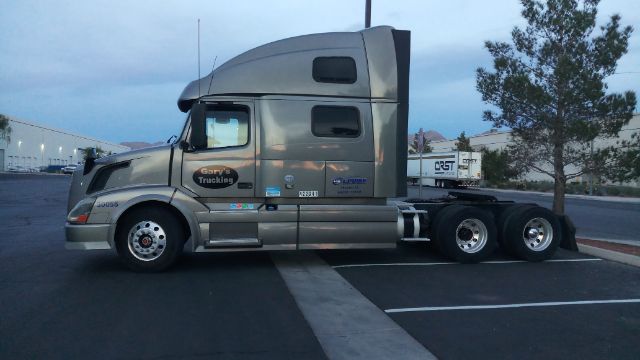
Sleeper configuration is a major dividing line in this market. Mid-roof and raised-roof sleepers are common, with 60-inch to 86-inch sleepers covering most fleet and owner-operator applications. A 72-inch or 77-inch sleeper is a popular balance for long-haul use, giving enough room for a bunk, cabinets, and basic living space without adding unnecessary weight. Double-bunk and condo-style interiors are more attractive for team operation or extended time out. Buyers should also look closely at wheelbase, fairings, APU setup, bunk HVAC, inverter provisions, and fuel capacity. In Arizona, trucks that spend time in desert heat benefit from strong air conditioning performance, clean cooling systems, and idle-reduction equipment that can keep the sleeper comfortable without excessive engine idling.
Powertrain choices vary widely across conventional sleeper trucks, but the core comparison usually comes down to Detroit, Cummins, Paccar, Volvo, or Navistar engines paired with automated manual or manual transmissions. Horsepower in this class commonly falls in the 400 to 500 hp range, with rear axle ratios selected around fuel economy versus gradeability. A 10-speed, 12-speed automated, or 13-speed manual setup can all make sense depending on the freight and driver preference. Air ride suspension, sliding fifth wheels, tandem drive axles, and 11R22.5 low-pro or standard rubber are all typical specs. On used units, maintenance history is critical. Buyers should pay close attention to aftertreatment condition, DPF and SCR service records, overhead history, clutch wear on manual trucks, and signs of excessive idle time. A clean DOT inspection, brake life, tire condition, and any evidence of frame or cab damage can tell you a lot about how the truck was operated.
The best conventional sleeper truck is the one that matches freight lanes, trailer type, and total operating cost. For dry van and reefer work, aerodynamic packages and efficient downsped drivetrains usually lead the list. For heavier or more varied freight, buyers may lean toward higher horsepower, a manual or more flexible transmission spec, and a shorter rear ratio for better pulling power. Arizona operators should also think about cooling performance, emissions compliance, and parts support across the Southwest. A truck with the right sleeper layout, engine platform, and axle spec can lower downtime, improve driver comfort, and hold its value better over the life of the unit.
Frequently Asked Questions about Conventional Sleeper Trucks in Arizona
What is a conventional sleeper truck?
A conventional sleeper truck is a highway tractor with a hooded front-end design and an attached sleeper compartment behind the cab. It is used primarily for long-haul and regional freight where the driver needs space to rest between runs. Compared with a day cab, a sleeper truck adds bunk space and often storage, cabinetry, and room for idle-reduction or hotel-load equipment.
What sleeper size is best for long-haul trucking?
For most long-haul applications, a 72-inch to 77-inch sleeper is a strong middle ground. It provides enough room for a bunk, storage, and basic living comfort without the added weight and length of the largest condo-style sleepers. Team operations or drivers staying out for extended periods may prefer larger raised-roof or double-bunk layouts, while regional operators can often work efficiently with a smaller sleeper.
Which engine and transmission setup is most common in conventional sleeper trucks?
Many conventional sleepers are spec'd with 400 to 500 hp diesel engines from Detroit, Cummins, Paccar, or Volvo, paired with either an automated manual transmission or a traditional manual such as a 10-speed or 13-speed. Automated manuals are common in fleet service because they help standardize driving habits and can improve fuel economy. Manual transmissions still appeal to some owner-operators hauling specialized or heavy freight where gear control matters more.
What should I inspect on a used conventional sleeper truck?
The most important items are engine health, aftertreatment service history, transmission condition, suspension wear, brake life, tire condition, and any signs of frame or cab damage. Ask for records covering DPF cleaning, SCR repairs, overhead adjustments, injector work, and major cooling system service. Inside the sleeper, check bunk HVAC performance, signs of water intrusion, inverter wiring, and general wear that may indicate high idle time or hard use.
Are conventional sleeper trucks a good fit for Arizona operations?
Yes, but Arizona conditions make cooling system performance and sleeper climate control especially important. Trucks operating in high desert heat should have a strong A/C system, clean radiator and charge air cooler package, and an idle-reduction strategy such as an APU or battery HVAC setup. Buyers should also verify emissions equipment condition and make sure parts and service support are readily available across Arizona and neighboring Southwestern freight corridors.