
2026 Conventional Sleeper Trucks For Sale in Oklahoma
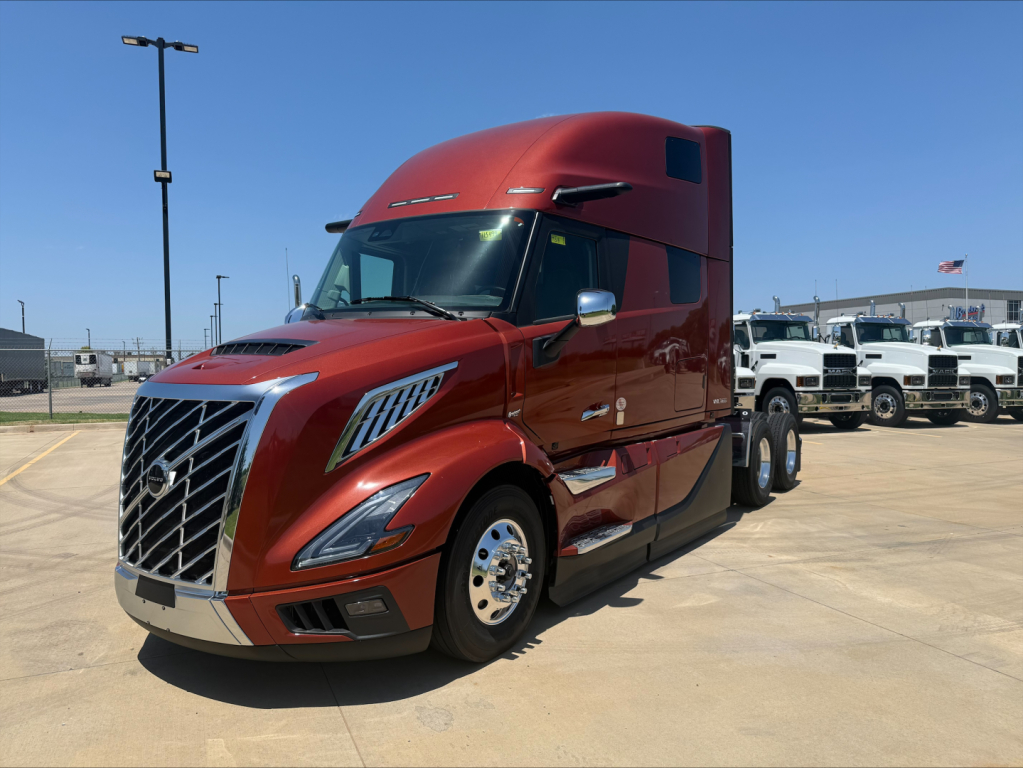
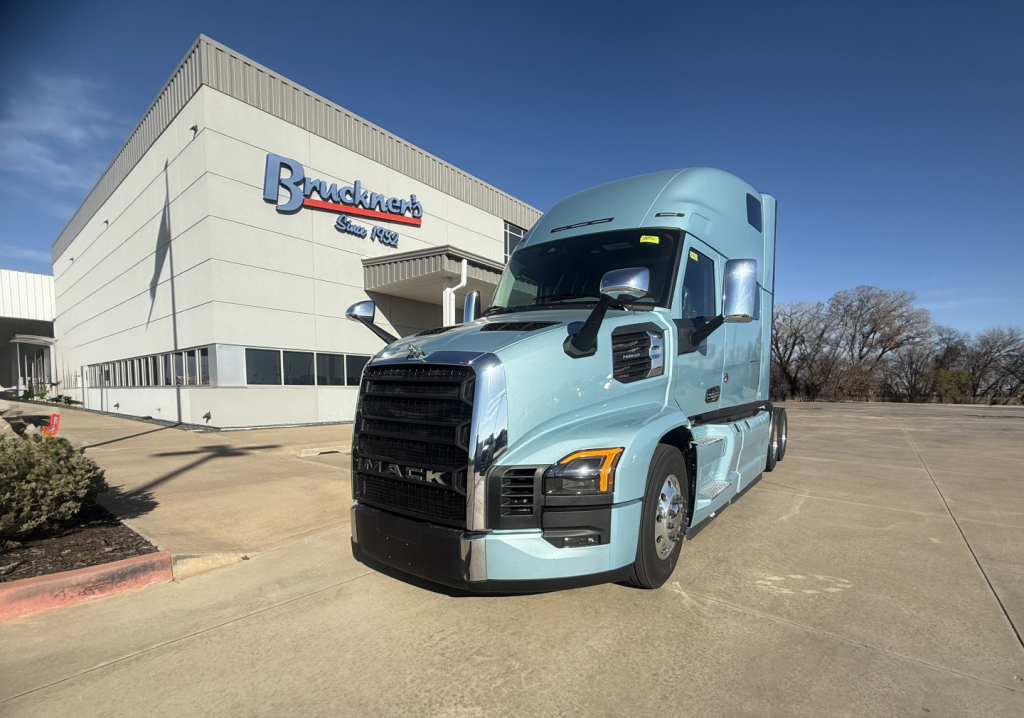
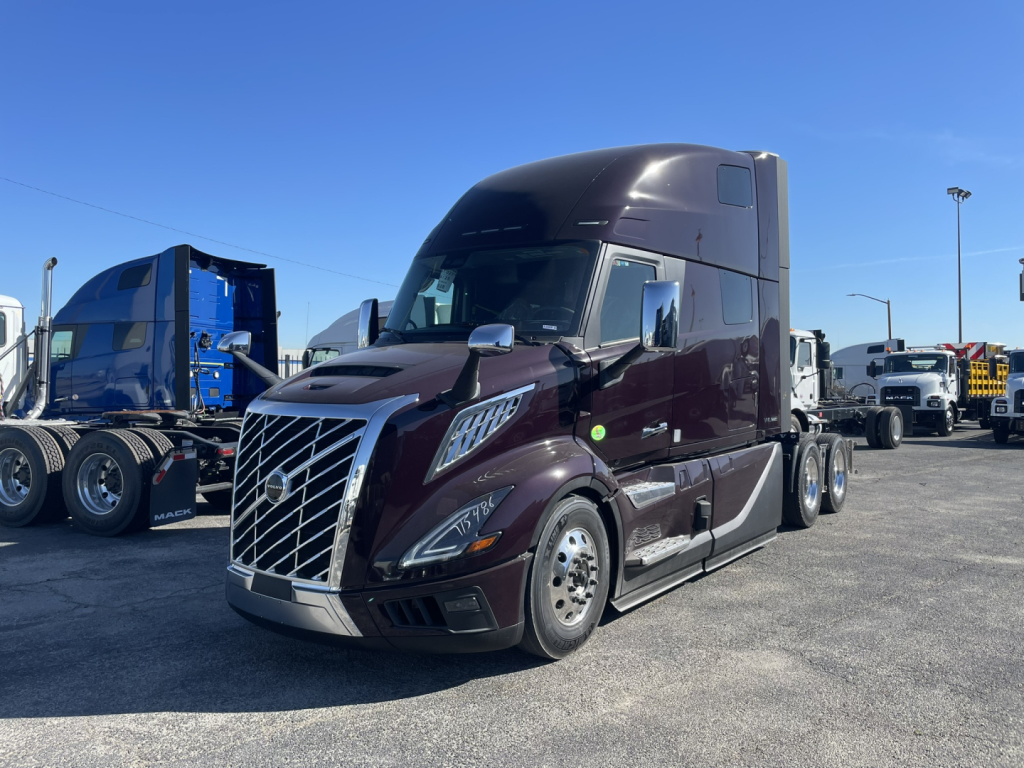
Have 2026 conventional sleeper truck to sell? List it here to reach thousands of buyers.
2026 Conventional Sleeper Trucks in Oklahoma
The first decisions usually come down to sleeper size, powertrain, and axle setup. Common sleepers range from mid-roof and short bunk packages up to 72-inch or 76-inch high-roof sleepers with double bunks, larger cabinets, and stand-up room. Most conventional sleeper trucks in this class are 6x4 tandem axle tractors, though some fuel-focused applications use 6x2 configurations. Engine ratings commonly fall in the 400 to 500-plus horsepower range with torque matched to gross combined weight, terrain, and average cruise speed. Automated manual transmissions are now standard across much of the market, and buyers should compare rear axle ratio, wheelbase, and fairing design just as closely as horsepower because those specs strongly influence fuel economy, maneuverability, and trailer compatibility.
A serious buyer should also evaluate the cab as a workplace, not just a spec sheet. Factory driver-assistance systems, collision mitigation, adaptive cruise control, lane departure warning, and camera visibility packages are increasingly common on newer highway tractors. Inside the sleeper, the useful details are bunk width, storage layout, inverter capacity, HVAC performance during idle-reduction operation, and mattress and seating quality for teams or solo drivers spending multiple nights out. For fleets, service network strength, telematics integration, and emissions warranty coverage can matter as much as the badge on the hood.
For Oklahoma operations, cooling performance, crosswind stability, and gearing for mixed flatland and loaded interstate running deserve extra attention. Buyers pulling dry vans, refrigerated trailers, or general freight usually prioritize aerodynamic packages and lighter spec combinations, while heavier haul or specialized applications may lean toward higher horsepower, stronger suspensions, and different frame ratings. A good 2026 conventional sleeper should fit the freight first, then the driver, then the maintenance plan. That approach usually leads to better operating cost over the life of the truck.
Frequently Asked Questions about 2026 Conventional Sleeper Trucks in Oklahoma
What is a conventional sleeper truck?
A conventional sleeper truck is a highway tractor with the engine mounted in front of the cab and a built-in sleeper compartment behind the seats. It is designed for regional and long-haul freight where the driver needs onboard sleeping space, storage, and basic living accommodations. Compared with a day cab, a sleeper tractor supports overnight runs and usually includes more wheelbase, fairings, and cab features aimed at fuel economy and driver retention.
What sleeper size is best for long-haul work?
For true over-the-road service, many buyers prefer a 72-inch or 76-inch high-roof sleeper because it provides better standing room, storage, and livability for drivers who stay out for extended periods. Smaller sleepers can work well for regional overnight routes where weight savings and shorter overall length matter more. The right choice depends on length of haul, solo versus team operation, and how much onboard storage your drivers need for several days on the road.
Which specs matter most on a 2026 conventional sleeper truck?
The most important specs are usually engine horsepower and torque, transmission type, rear axle ratio, wheelbase, sleeper length, axle configuration, and fuel tank capacity. Those core specs determine how the truck pulls, how efficiently it cruises, how well it fits different trailers, and how comfortable it is for the driver. Safety technology, idle-reduction equipment, and OEM service support are also important because they affect operating cost, uptime, and resale value.
Are automated manual transmissions standard in newer sleeper tractors?
Yes, automated manual transmissions are now common in most newer conventional sleeper trucks because they improve shift consistency, reduce driver fatigue, and help fleets manage fuel economy. They also lower the barrier for driver hiring compared with a manual transmission truck. Buyers should still review gearing, software calibration, and application match, because transmission behavior under load depends on the full drivetrain spec, not just the transmission model alone.
What should Oklahoma buyers look for in a sleeper tractor?
Oklahoma buyers should pay close attention to cooling system performance, aerodynamic stability in crosswinds, and gearing that works well for interstate freight corridors and multistate runs. Trucks operating in hot weather and long highway stretches benefit from efficient HVAC systems, dependable idle management, and a powertrain spec built for sustained cruise speeds. Local service support and parts access are also critical, especially for fleets trying to keep long-haul trucks moving with minimal downtime.