
2026 Conventional Sleeper Trucks For Sale in Kansas
Shop 2026 conventional sleeper trucks in Kansas. Compare high-roof highway specs, fuel economy, sleeper sizes, drivetrain options, and comfort features.
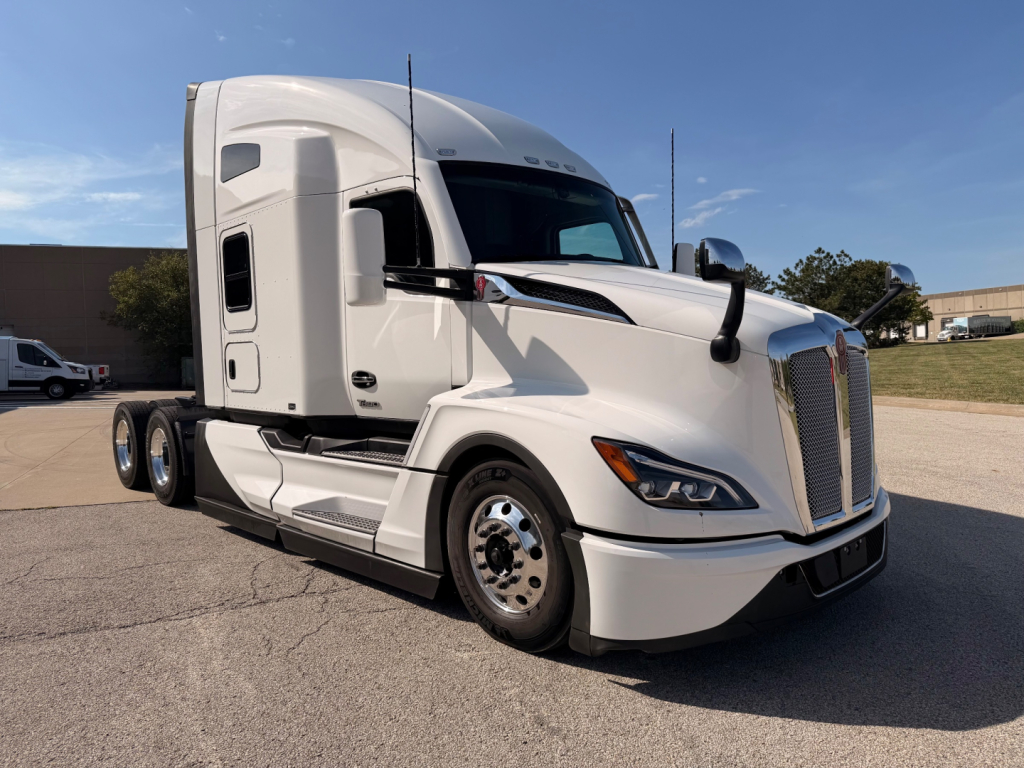
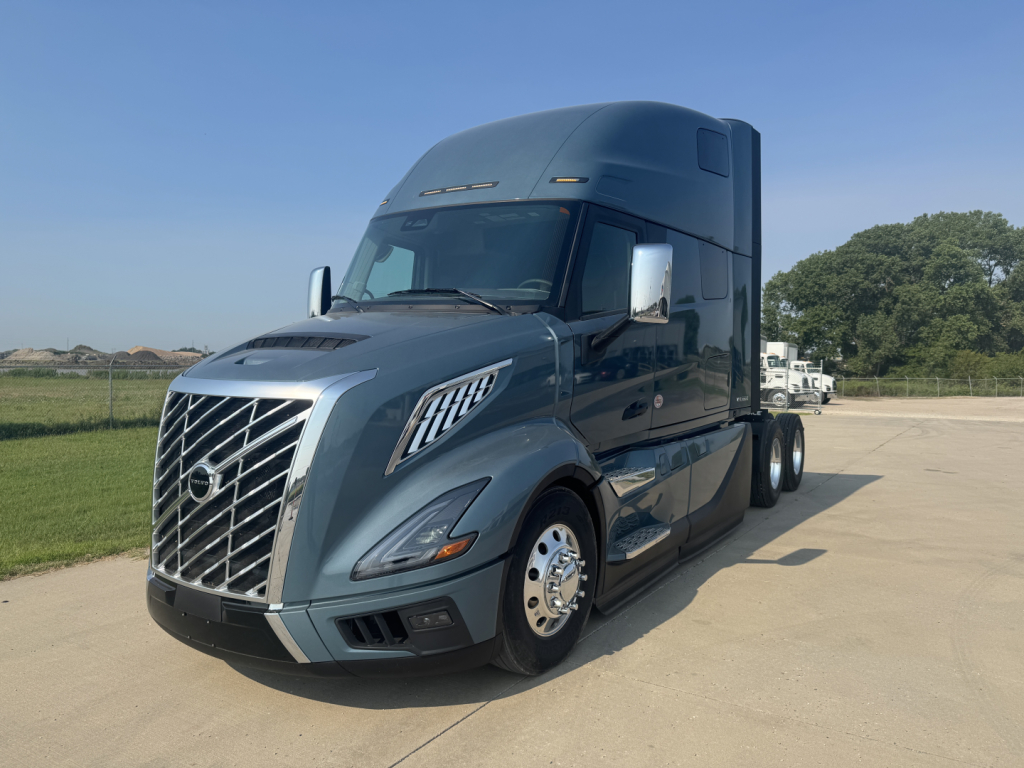
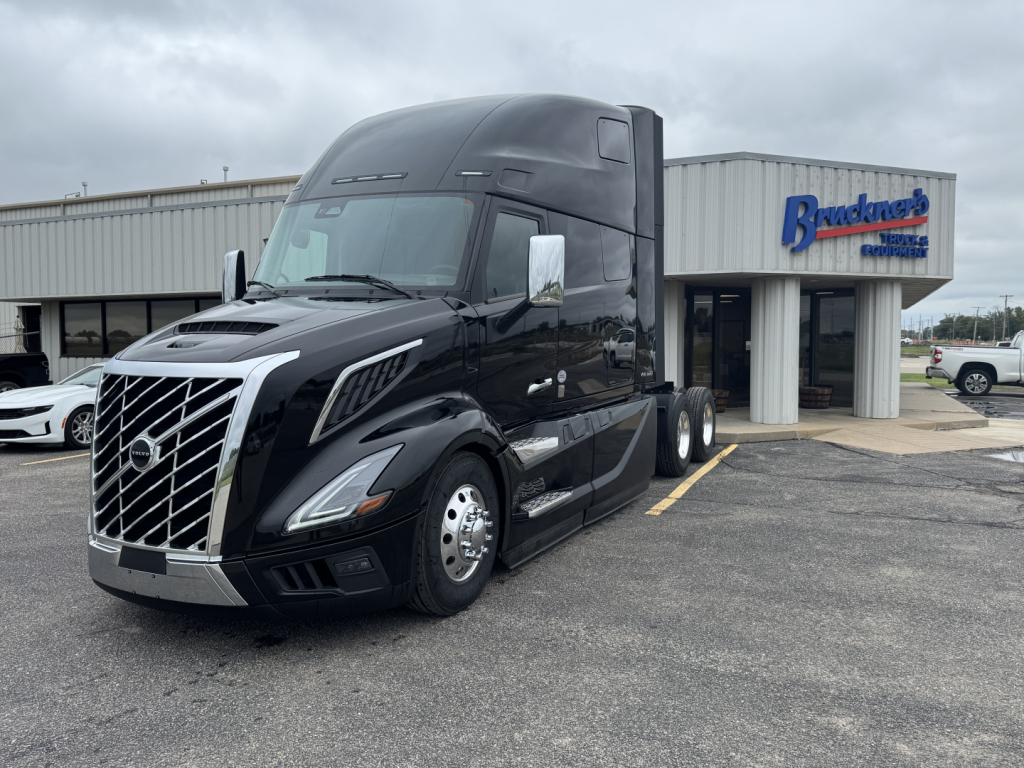
Have 2026 conventional sleeper truck to sell? List it here to reach thousands of buyers.
2026 Conventional Sleeper Trucks in Kansas
The biggest buying decision is usually drivetrain spec. Current 2026 conventional sleepers commonly use 6x4 tandem-drive configurations with 13,000 to 13,300 lb front axles, 40,000 lb rears, and automated manual transmissions in 12-speed or 13-speed layouts. Engine ratings often land in the 425 to 515 horsepower range with torque from about 1,650 to 1,850 lb-ft, enough for van, reefer, and general freight applications at 80,000 lb GCW. Rear axle ratio matters more than many first-time buyers expect. A taller highway ratio can improve fuel economy on long flat runs, while a slightly deeper ratio may fit heavier freight, more variable terrain, or drivers who spend time off the interstate. Wheelbase, fifth wheel travel, and kingpin setting should match the trailer mix you plan to pull, especially if your operation includes both dry vans and longer wheelbase reefers.
Sleeper configuration affects resale and driver retention as much as daily livability. High-roof sleepers in the 70-inch to 80-inch range are common in this class because they provide standing room, larger bunks, more cabinet space, and room for idle-reduction equipment such as battery HVAC or diesel-fired bunk heaters. Buyers should pay close attention to insulation, parking climate systems, inverter capacity, bunk layout, refrigerator prep, and storage access from inside and outside the cab. Safety and driver-assist systems are now a major part of the spec sheet on late-model sleepers, including adaptive cruise control, collision mitigation, lane departure or lane support features, and camera visibility packages. These systems do not replace a skilled driver, but they can reduce fatigue and help fleets meet safety goals.
For Kansas-based operations, aero packages, fuel capacity, and suspension spec deserve a close look. Long highway stretches reward a clean aerodynamic setup with roof fairings, chassis fairings, and close tractor-to-trailer gap management. Dual fuel tanks remain popular for route flexibility, while air-ride suspensions, disc brakes, tire pressure systems, and lightweight wheel packages can help balance ride quality, stopping performance, and payload. If the truck will live on general freight lanes, a modern conventional sleeper with an overdrive automated transmission and a fuel-efficient engine platform is usually the core benchmark. If the truck will see heavier loads or more demanding terrain, it makes sense to trade some economy for a stronger power rating, more aggressive ratio, or a more robust suspension and driveline package.
Frequently Asked Questions about 2026 Conventional Sleeper Trucks in Kansas
What is a conventional sleeper truck used for?
A conventional sleeper truck is designed for long-haul and regional over-the-road freight where the driver needs a dedicated sleeping compartment behind the cab. It is commonly used for dry van, reefer, and general freight hauling, and it is the standard tractor configuration for carriers running interstate lanes with overnight or multi-day trips.
What sleeper size is most common on a 2026 conventional sleeper?
High-roof sleepers in the 70-inch to 80-inch range are common because they balance driver comfort, storage, and resale value. A larger sleeper typically offers better stand-up room, more cabinet space, and easier integration of idle-reduction systems, which matters for long-haul operations and teams spending extended time in the truck.
What horsepower is typical for a 2026 conventional sleeper truck?
Most 2026 conventional sleeper trucks are spec'd between 425 and 515 horsepower, usually with torque ratings from 1,650 to 1,850 lb-ft. That range covers most highway freight applications at standard gross combination weights, but the right rating depends on terrain, average payload, cruising speed, and your target balance between performance and fuel economy.
Should I choose a 12-speed or 13-speed automated transmission in a sleeper tractor?
A 12-speed automated transmission is a common highway choice because it delivers efficient gearing, reduced driver fatigue, and good compatibility with fuel-saving rear axle ratios. A 13-speed automated setup can offer added flexibility for grade changes, heavier loads, or more precise gearing at highway speed, so the better choice depends on the duty cycle and driver preference.
What should Kansas buyers look for in a conventional sleeper truck?
Kansas buyers should focus on aerodynamic efficiency, fuel capacity, wheelbase, and a drivetrain matched to long interstate miles and variable weather. Crosswinds, open highway operation, and large daily route lengths make aero packages, stable air-ride suspension, strong climate control, and a fuel-efficient powertrain especially important in this market.