
2016 Volvo Conventional Daycab Trucks For Sale
Shop 2016 Volvo conventional daycab trucks with D11 or D13 power, I-Shift options, and specs suited for regional haul, port, and local work.
Learn more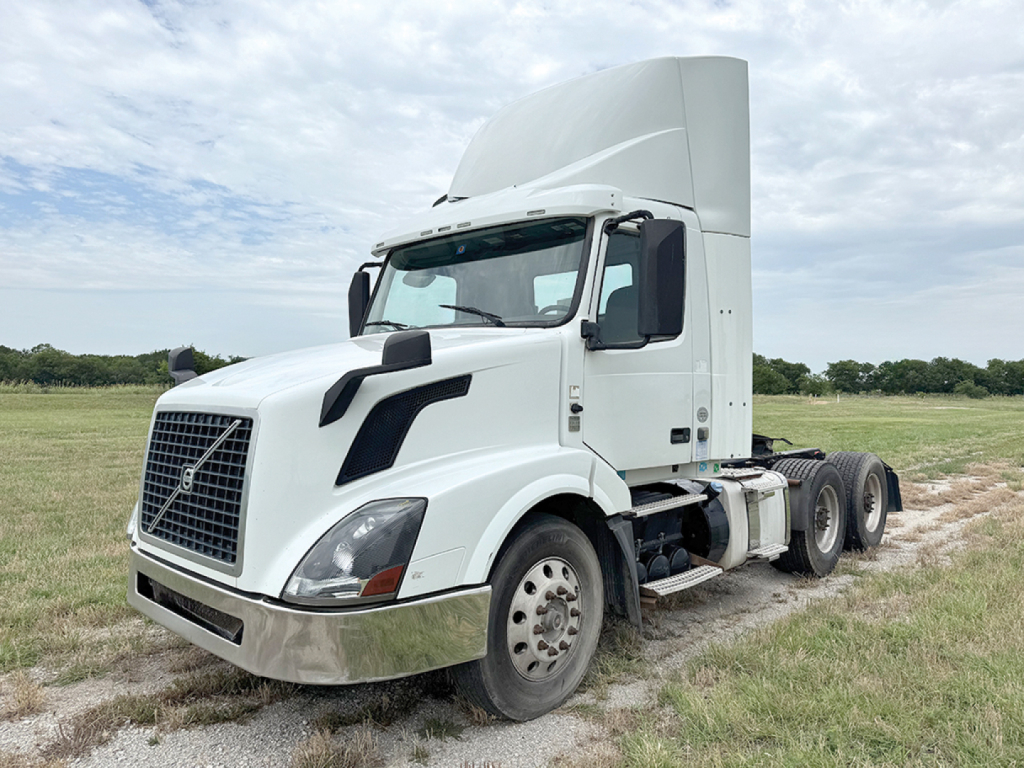
Have 2016 volvo conventional daycab truck to sell? List it here to reach thousands of buyers.
About 2016 Volvo Conventional Daycab Trucks
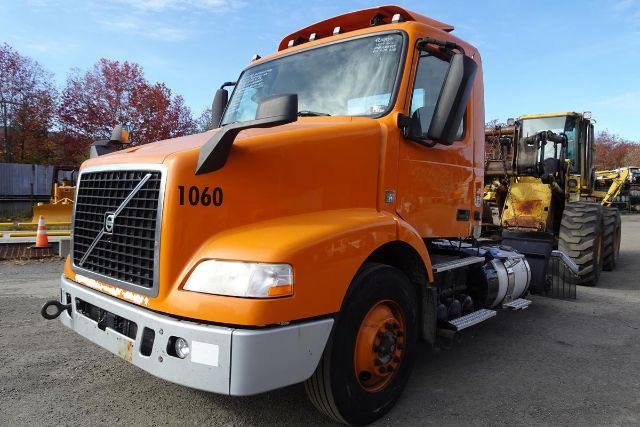
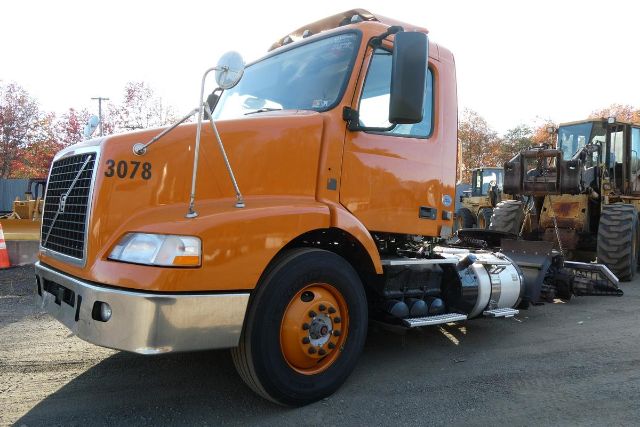
The big buying decision usually comes down to axle layout, wheelbase, and engine choice. A single-axle 4x2 daycab is often favored for lighter regional freight, city routes, and operations that want lower tare weight, tighter turning radius, and fewer maintenance points. A tandem-axle 6x4 setup makes more sense for heavier loads, tanker work, port service, or routes where traction and bridge compliance are bigger concerns. Wheelbases in this class often run from the mid-150-inch range into the 170s depending on fifth wheel placement, frame length, and intended trailer swing clearance. Rear axle ratios around 3.42 to 3.58 are common and can tell you a lot about the truck’s intended balance between fuel economy and low-speed pulling power.
Volvo daycabs from this era are also known for a driver-focused cab layout and strong integration between the engine, transmission, and braking systems. Many 2016 models are equipped with engine brakes, air ride suspension, tilt and telescoping steering, cruise control, and aerodynamic features such as roof fairings or side extenders. It is also common to see air slide fifth wheels, air disc brakes on some specs, aluminum fuel tanks, and 22.5-inch rubber. Buyers comparing listings should pay close attention to suspension rating, front axle capacity, brake type, emissions system history, and whether the truck has a single frame or a heavier vocational-style setup. On a used 2016 unit, service records for DEF and aftertreatment components matter just as much as miles and engine hours.
For many fleets, a 2016 Volvo conventional daycab hits a practical middle ground between acquisition cost and modern spec. The I-Shift transmission is a major draw for fleets trying to reduce driver fatigue and improve consistency in mixed-driver operations. The D11 is usually the better fit for lighter regional or city work where payload and efficiency are priorities, while the D13 is better suited to heavier trailers and more demanding duty cycles. A careful buyer should match the truck’s wheelbase, axle rating, engine output, and fifth wheel setup to the trailer lengths and payloads actually being hauled, because that is what determines whether a daycab works like a nimble regional tractor or a compromised one.
Frequently Asked Questions
What engine options are common in a 2016 Volvo conventional daycab?
Most 2016 Volvo conventional daycab trucks in this class are equipped with either the Volvo D11 or Volvo D13 diesel engine. The D11 is popular in regional and city applications because it helps keep weight down while still delivering solid horsepower and torque. The D13 is the better choice for heavier freight, steeper terrain, and operations that need more reserve power. Buyers should compare horsepower, torque rating, emissions service history, and engine hours instead of looking at horsepower alone.
Is a 2016 Volvo daycab better with an I-Shift or a manual transmission?
The Volvo I-Shift is often the preferred transmission in this category because it improves shift consistency, reduces driver fatigue, and can help with fuel economy in stop-and-go or regional service. It also broadens the driver pool for fleets that do not want to rely on manual-transmission experience. A manual transmission can still make sense in certain vocational or owner-operator applications where driver preference, simplicity, or specific gearing is important. The right choice depends on route profile, driver mix, and maintenance support.
What is the difference between a single-axle and tandem-axle Volvo daycab?
A single-axle daycab usually offers lower empty weight, better maneuverability, and lower operating costs, which makes it a strong fit for local delivery, regional van freight, and lighter trailer work. A tandem-axle daycab adds carrying capacity, traction, and flexibility for heavier loads, tanker applications, port work, and routes with stricter bridge or axle distribution requirements. The axle configuration should match the freight, trailer type, and legal weight profile of the operation.
What should I check first on a used 2016 Volvo daycab?
Start with the emissions system, transmission operation, and documented maintenance history. On a 2016 truck, DEF-related repairs, aftertreatment performance, injector history, and fault codes can be more important than cosmetic condition. Buyers should also verify axle ratings, suspension type, wheelbase, brake configuration, fifth wheel type, and tire wear patterns. Engine hours matter because two trucks with similar mileage can have very different idle time and wear levels.
What kind of work is a 2016 Volvo conventional daycab best suited for?
This truck class is best suited for regional haul, LTL, drayage, tanker, flatbed, bulk, and local dedicated routes where the truck returns to base or does not require sleeper space. The shorter overall length improves maneuverability in yards, terminals, and urban settings. A properly spec'd Volvo daycab can also work well in heavier applications, but buyers need to make sure the engine, axle layout, wheelbase, and fifth wheel placement match the trailers and payloads being hauled.