
Used 2025 Conventional Daycab Trucks For Sale
Shop used 2025 conventional daycab trucks with tandem axles, fleet-spec engines, automated manuals, and short-haul efficiency.
Learn more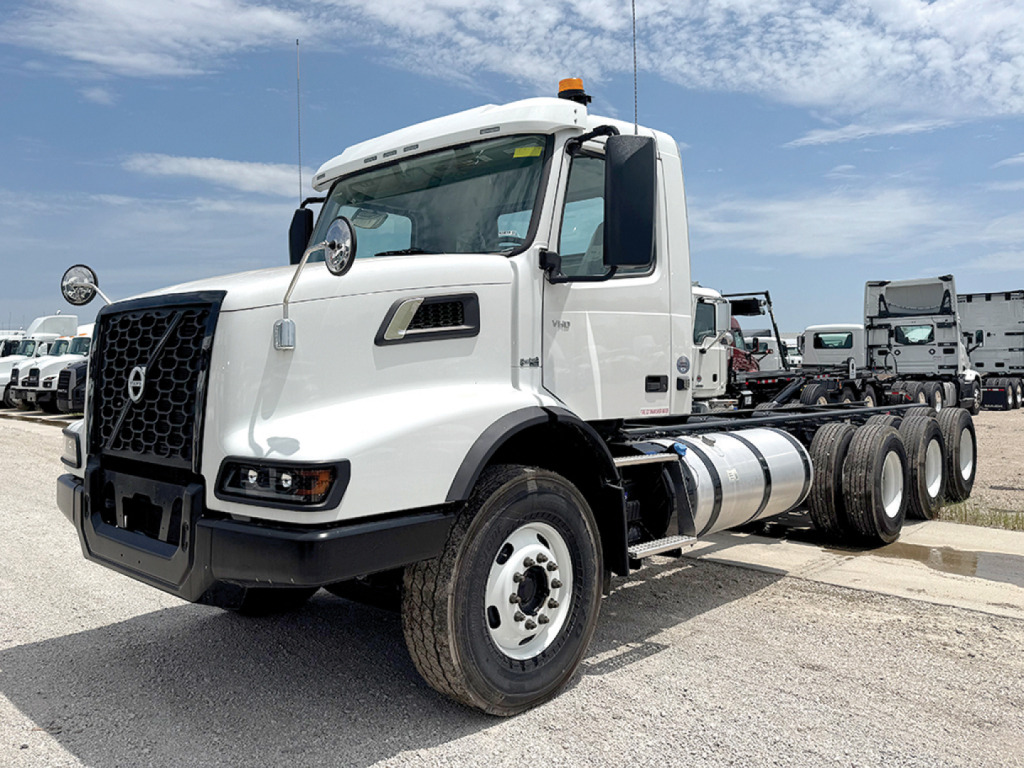
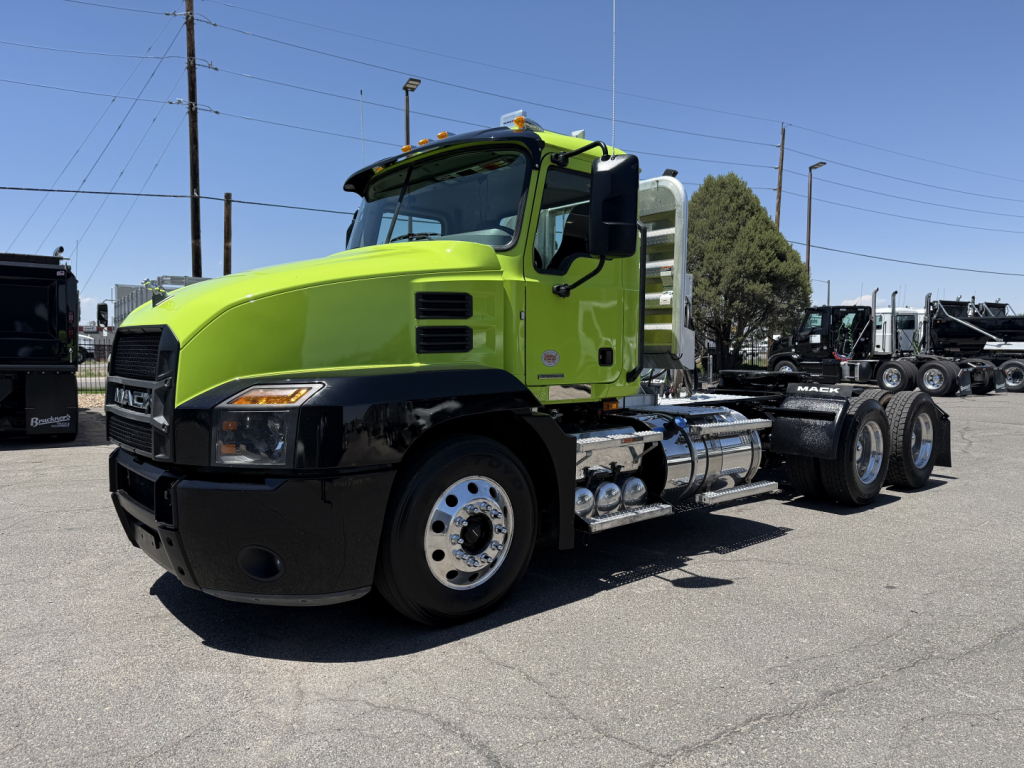
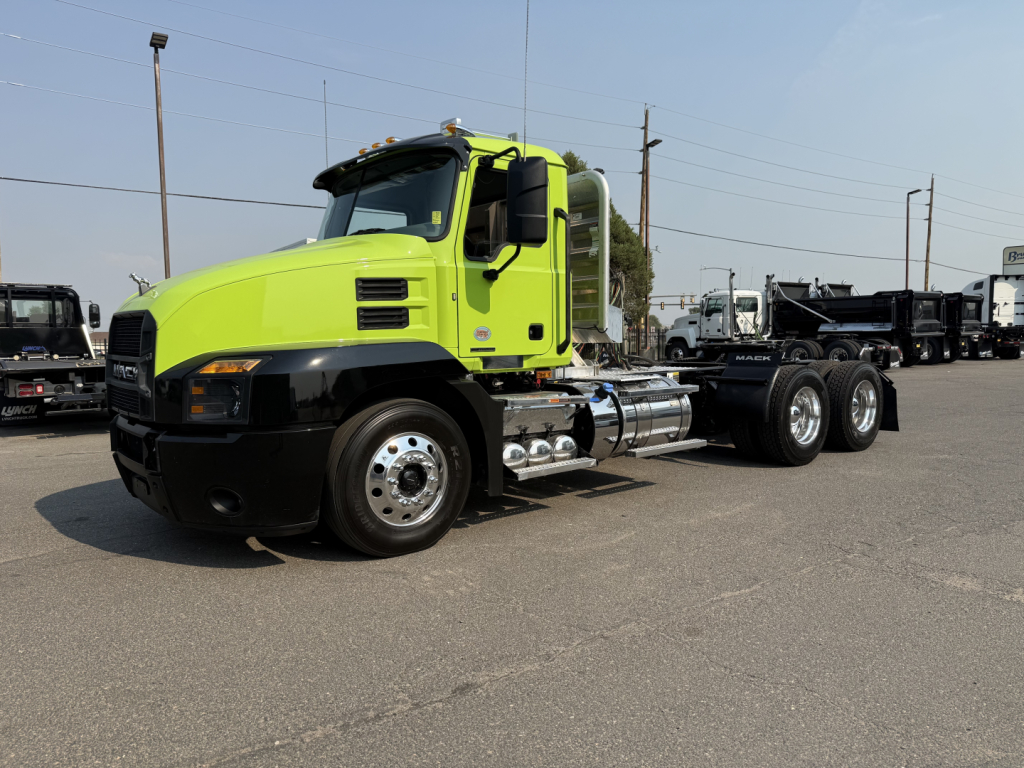
Have used 2025 conventional daycab truck to sell? List it here to reach thousands of buyers.
About Used 2025 Conventional Daycab Trucks
The most important buying decisions usually come down to powertrain spec and rear axle ratio. In this category, common engines include the Detroit DD13 and DD15, Cummins X15, Paccar MX-13, Volvo D11 and D13, and Mack MP7 and MP8, often paired with automated manual transmissions such as DT12, Endurant, I-Shift, mDRIVE, or Paccar TX-12. Typical horsepower ranges from about 370 to 455 hp, with torque selected around the intended duty cycle rather than maximum rating alone. A 2.47 to 3.25 rear ratio is common on fleet-spec highway and regional trucks, while vocational or heavier start-stop work may call for deeper gearing. Buyers should also compare wheelbase, fifth wheel type, fuel capacity, and axle ratings. Many conventional daycabs are spec'd with 12,000 lb front axles, 40,000 lb tandem rears, air ride suspension, engine brakes, and disc or drum brake configurations depending on fleet preference.
A used 2025 model can appeal to buyers who want newer emissions technology, current safety systems, and lower age-related wear without paying new-truck pricing. That said, a late-model daycab should still be evaluated like any revenue unit. Check idle hours against odometer miles, confirm maintenance history, and review aftertreatment service records for the DPF, DOC, and SCR system. Automated transmissions should be checked for calibration history and clutch wear where applicable. Pay attention to frame condition, fifth wheel wear, suspension bushings, steer tire pattern, and signs of uneven tandem alignment. If the truck will be assigned to container work, short wheelbase and durable suspension matter. If it will pull van or reefer on regional lanes, aero packages, side fairings, roof fairings, and optimized gearing can make a meaningful fuel economy difference.
Cab configuration matters more than many buyers expect. Visibility, door opening angle, seat travel, dash layout, and switch placement affect driver acceptance and daily productivity. A good daycab spec often includes air conditioning, cruise control, telescoping wheel, power windows, and enough storage for paperwork, tools, and PPE without adding unnecessary complexity. For fleets focused on uptime, common-platform trucks with broad dealer support and easy parts availability can be more valuable than chasing a narrow spec advantage. The best used 2025 conventional daycab truck is the one matched to trailer type, average gross combination weight, route length, and maintenance capability, not simply the one with the highest horsepower rating.
Frequently Asked Questions
What is a conventional daycab truck used for?
A conventional daycab truck is used for short-haul and regional tractor work where the driver returns home or to the terminal without needing a sleeper berth. Common applications include drayage, local and regional van freight, flatbed, tanker, bulk haul, LTL operations, and dedicated routes with frequent trailer drops and hooks. The daycab layout reduces weight and overall length, which helps in tighter yards, city traffic, and terminals with limited maneuvering space.
What engine and transmission specs are common in used 2025 conventional daycab trucks?
Used 2025 conventional daycab trucks commonly feature 11- to 15-liter diesel engines in the roughly 370 to 455 horsepower range, depending on the application. Popular engine families include the Detroit DD13 and DD15, Cummins X15, Volvo D11 and D13, Mack MP7 and MP8, and Paccar MX-13. Most late-model units are paired with automated manual transmissions such as the DT12, Endurant, I-Shift, mDRIVE, or TX-12 because they improve driver consistency, reduce clutch-related wear, and support fuel economy targets in fleet service.
What should I inspect first on a used 2025 daycab?
Start with the service history, engine hours, and emissions system records. A late-model daycab can look clean and still have expensive deferred maintenance in the aftertreatment system, transmission calibration, or suspension. Check for fault codes, DPF and SCR repair history, tire wear patterns, brake condition, fifth wheel wear, and signs of frame or tandem alignment issues. If the truck has an automated manual transmission, verify smooth engagement, proper shift logic, and any clutch or actuator service that has already been performed.
Is a daycab better than a sleeper for regional freight?
A daycab is often the better choice when the route structure does not require overnight rest in the truck. Compared with a sleeper tractor, a daycab is typically lighter, shorter, easier to maneuver, and less expensive to maintain because there is less cab structure and fewer sleeper-related components. A sleeper may still be the better fit for irregular dispatch, longer waiting times, or routes that occasionally turn into overnight runs. The better option depends on dispatch pattern, driver expectations, and trailer utilization.
What axle ratio and wheelbase work best for a conventional daycab?
The right axle ratio and wheelbase depend on trailer type, terrain, and average gross combination weight. Many regional highway daycabs use ratios in the high 2s to low 3s to balance startability and fuel economy. Shorter wheelbases improve maneuverability for port, yard, and urban work, while longer wheelbases can offer better ride quality, fuel capacity options, and flexibility for certain trailer settings. Buyers should match the truck's wheelbase, kingpin setting compatibility, and fifth wheel position to the trailers they plan to pull most often.