
Used 2020 Conventional Daycab Trucks For Sale in Florida
Browse used 2020 conventional daycab trucks in Florida. Compare wheelbase, axle ratio, engine, transmission, and fleet-ready specs.
Learn more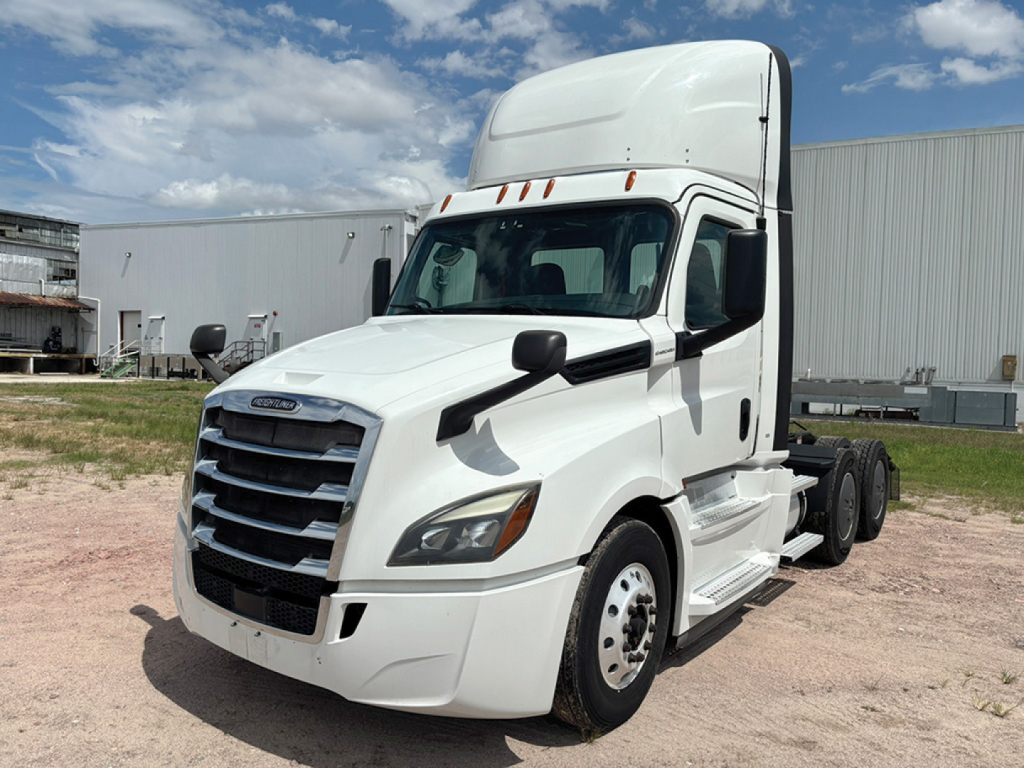
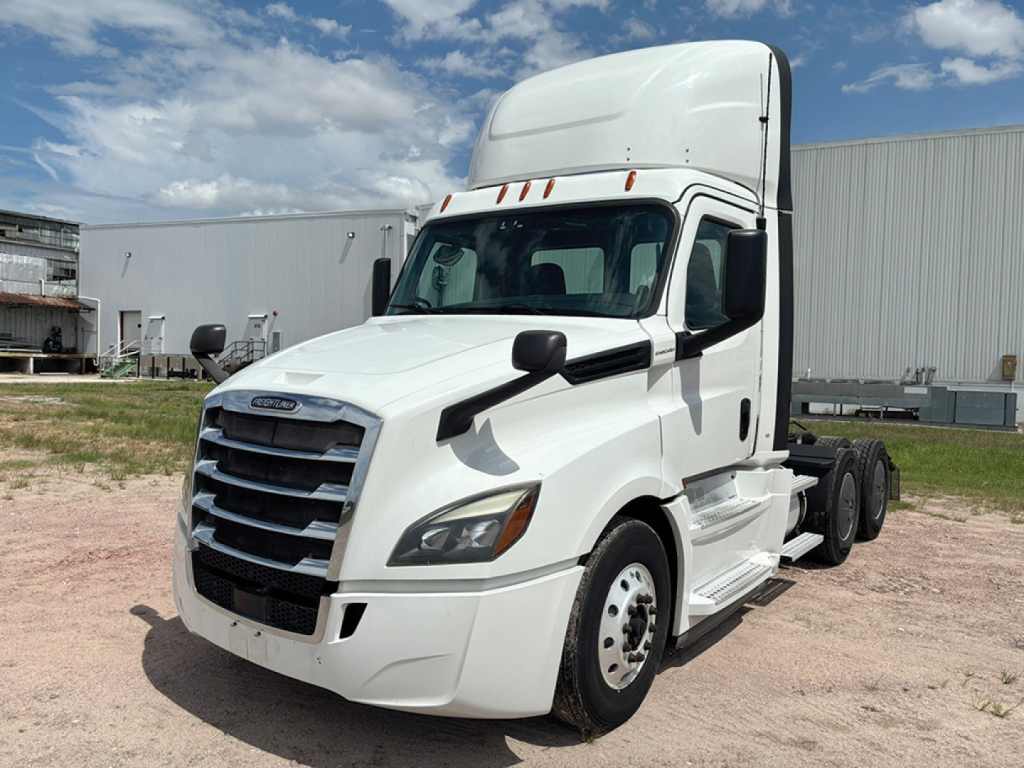
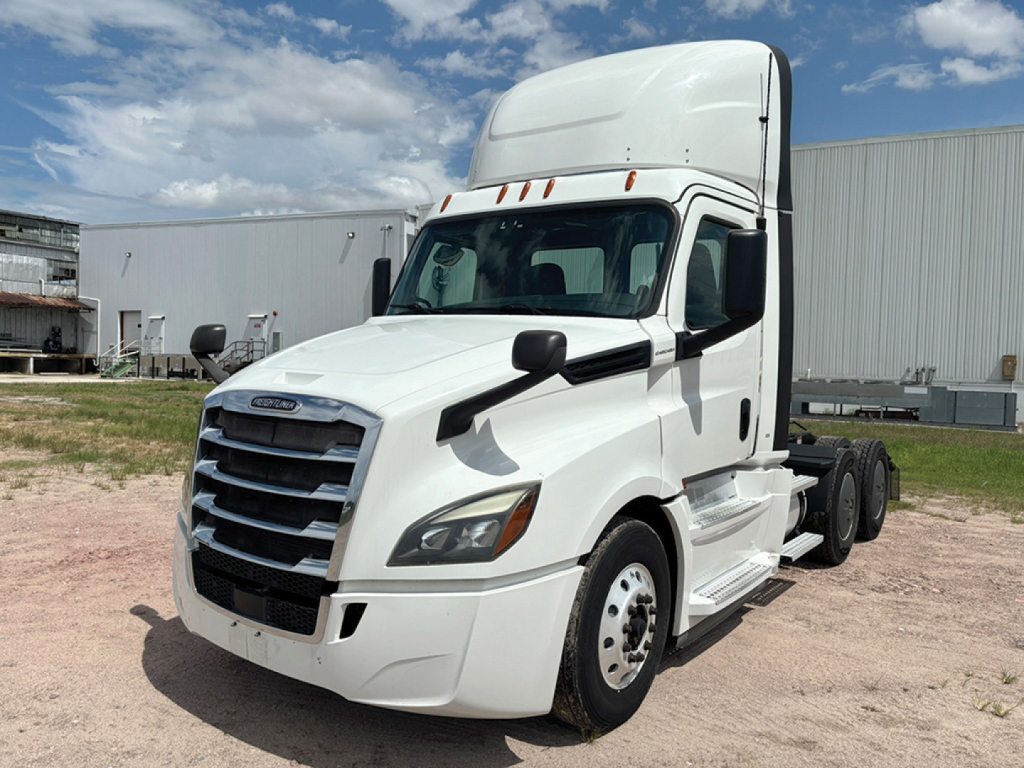
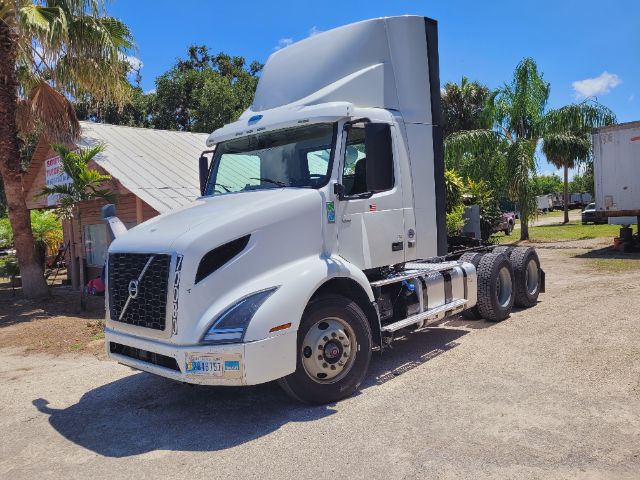
Have used 2020 conventional daycab truck to sell? List it here to reach thousands of buyers.
About Used 2020 Conventional Daycab Trucks in Florida
The key buying decisions usually come down to engine, transmission, rear axle ratio, and intended duty cycle. Common 2020 specs include 13-liter to 15-liter diesel engines such as a Detroit DD15 or Cummins X15, often rated around 400 to 455 horsepower with an engine brake. Automated manual transmissions are especially common in this year range because fleets prioritized fuel economy, driver consistency, and lower clutch wear. Axle ratios in the low-to-mid 2s are typical on fuel-economy highway daycabs, while heavier vocational or start-stop applications may need a different balance between launch performance and cruise RPM. A 40,000-pound rear axle setup is common for general freight tractors, but buyers should confirm suspension type, fifth wheel travel, and exact GCWR before assigning the truck to a specific trailer pool.
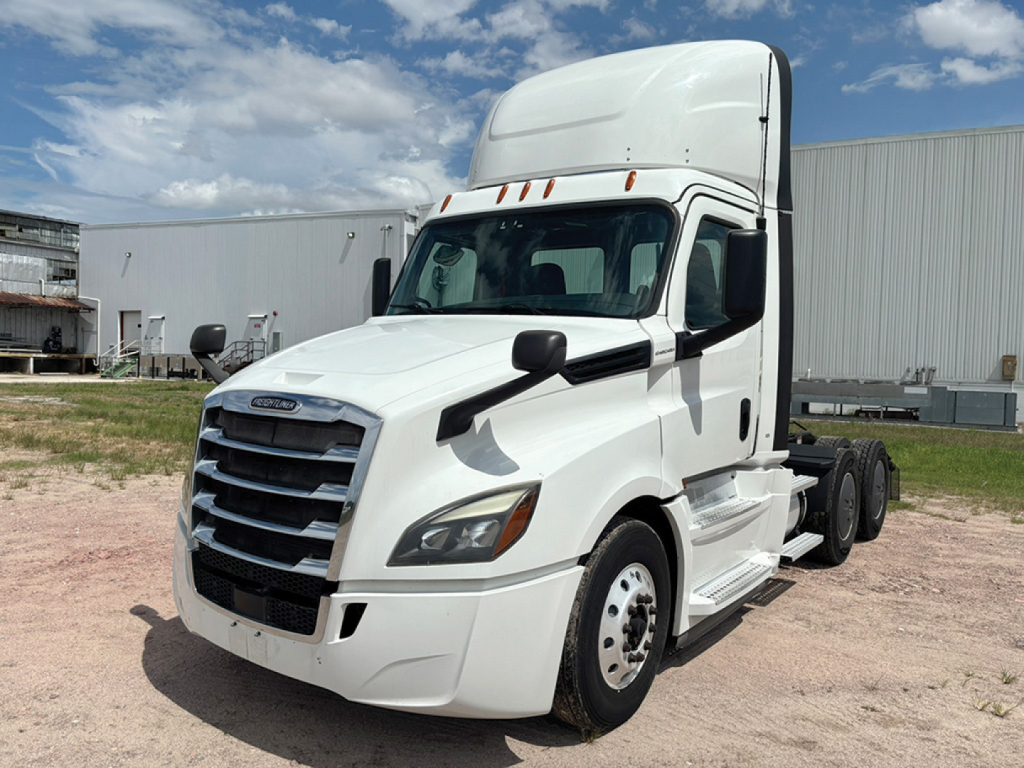
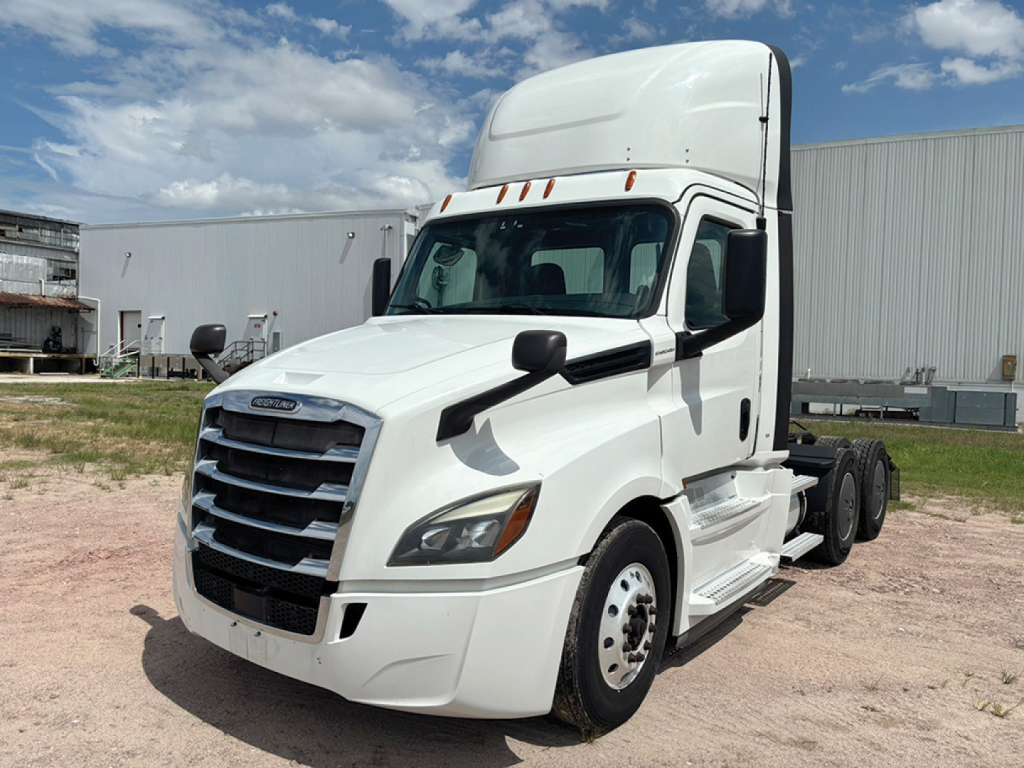
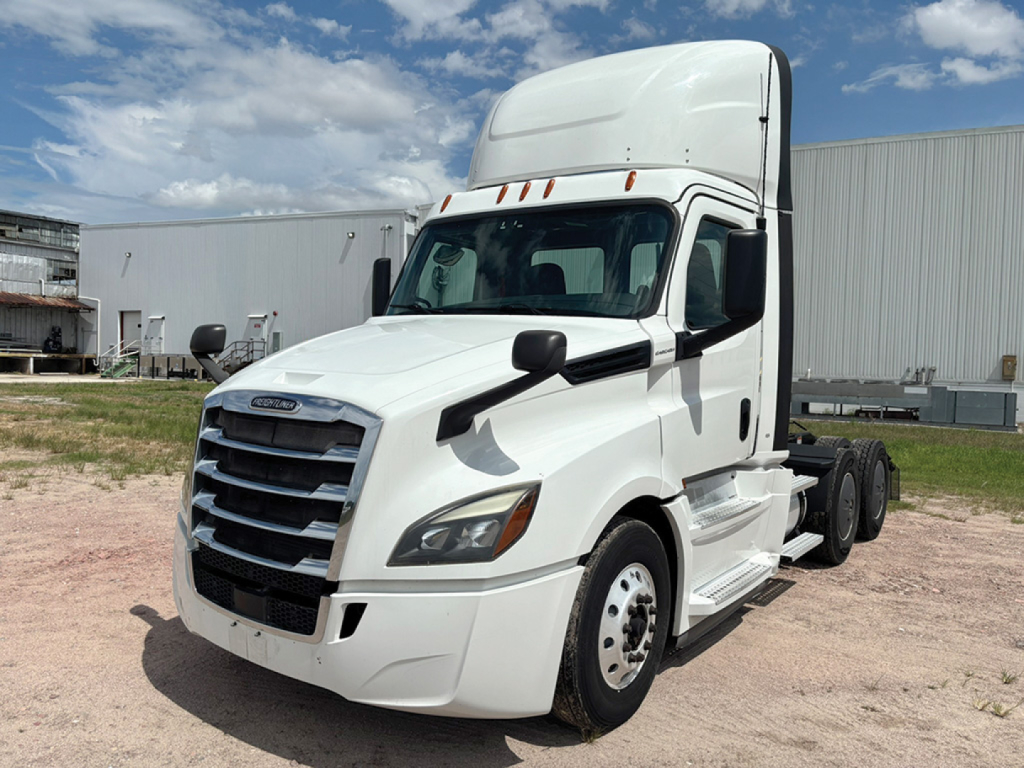
Cab and chassis details matter more than many buyers expect. Roof fairings, cab extenders, quarter fenders, dual aluminum fuel tanks, air-slide fifth wheels, and low-profile 22.5 tires are common on fleet-spec conventional daycabs, especially Freightliner Cascadia, International LT, Peterbilt, and Kenworth models. Safety and driver-assist equipment became more common by 2020, including collision mitigation systems, cruise control integration, and improved steering and brake technologies. For Florida operation, check air conditioning performance, aftertreatment service history, and signs of excessive idle time, since heat, humidity, and urban congestion can accelerate wear in emissions components and cab systems. It also pays to inspect frame condition, bushing wear, brake type, and tire matching, particularly on tractors that have seen distribution-center or port drayage service.
A good 2020 conventional daycab should be matched to freight first and price second. A lighter, aerodynamic spec with an automated transmission and faster rear gears can make sense for regional van or reefer work, while a heavier spec may be better for flatbed, tank, or dense short-haul routes. Buyers comparing used daycabs should focus on maintenance records, mileage versus engine hours, prior fleet application, and any recent work on the aftertreatment, transmission actuator, or suspension. The strongest value usually comes from a truck with a clean service history, a practical wheelbase, and a drivetrain spec that fits the lanes it will actually run.
Frequently Asked Questions
What is a conventional daycab truck?
A conventional daycab truck is a highway tractor with a standard hood and engine-forward layout, but without a sleeper compartment. It is designed for local, regional, drayage, and dedicated route work where the driver returns the same day. Buyers often choose daycabs because they reduce empty weight, lower purchase cost compared with sleeper tractors, and improve maneuverability in yards and tight delivery environments.
What should I look for on a used 2020 conventional daycab in Florida?
Focus on engine hours, idle time, aftertreatment history, cooling system condition, and air conditioning performance. Florida heat and humidity can expose weaknesses in radiators, charge air coolers, HVAC components, and emissions systems. Also inspect for corrosion from coastal exposure, verify tire and brake condition, and review maintenance records for recurring repairs involving the DPF, SCR system, transmission calibration, or suspension wear.
Are automated manual transmissions common in 2020 daycab trucks?
Yes. Automated manual transmissions are very common in 2020 conventional daycabs, especially in fleet-spec tractors used for regional and dedicated freight. They are popular because they improve fuel economy consistency, reduce driver fatigue, and eliminate clutch abuse. A buyer should still confirm software updates, clutch life, shift quality under load, and service history, since calibration and maintenance have a direct effect on drivability and uptime.
What axle ratio is best for a conventional daycab?
The best axle ratio depends on route speed, trailer weight, terrain, and start-stop frequency. Ratios in the low 2s are common on aerodynamic highway daycabs because they keep engine RPM down and improve fuel economy at cruise speed. Trucks used for heavier loads, frequent launches, or lower-speed regional work may need a ratio that favors pulling power over top-end fuel savings. The right choice should be matched to transmission gearing and tire size, not viewed in isolation.
Is a 2020 conventional daycab good for regional freight?
Yes. A 2020 conventional daycab is often a strong fit for regional freight because it combines modern aerodynamics, updated safety technology, and efficient powertrains with a simpler day-use cab layout. Many are spec'd for van, reefer, and dedicated route service with engines in the 400 to 455 horsepower range, tandem drives, and air ride suspension. The most important factor is making sure the wheelbase, fifth wheel setup, and drivetrain match the trailers and load profile the truck will handle.