
Used 2019 Conventional Daycab Trucks For Sale in Colorado
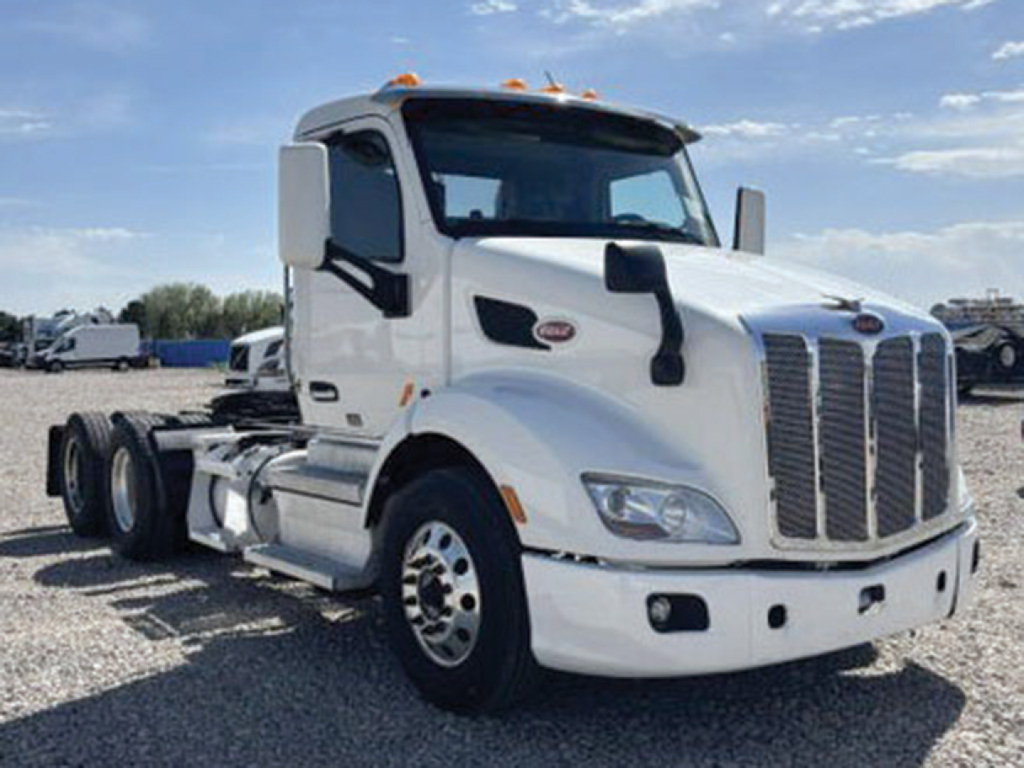
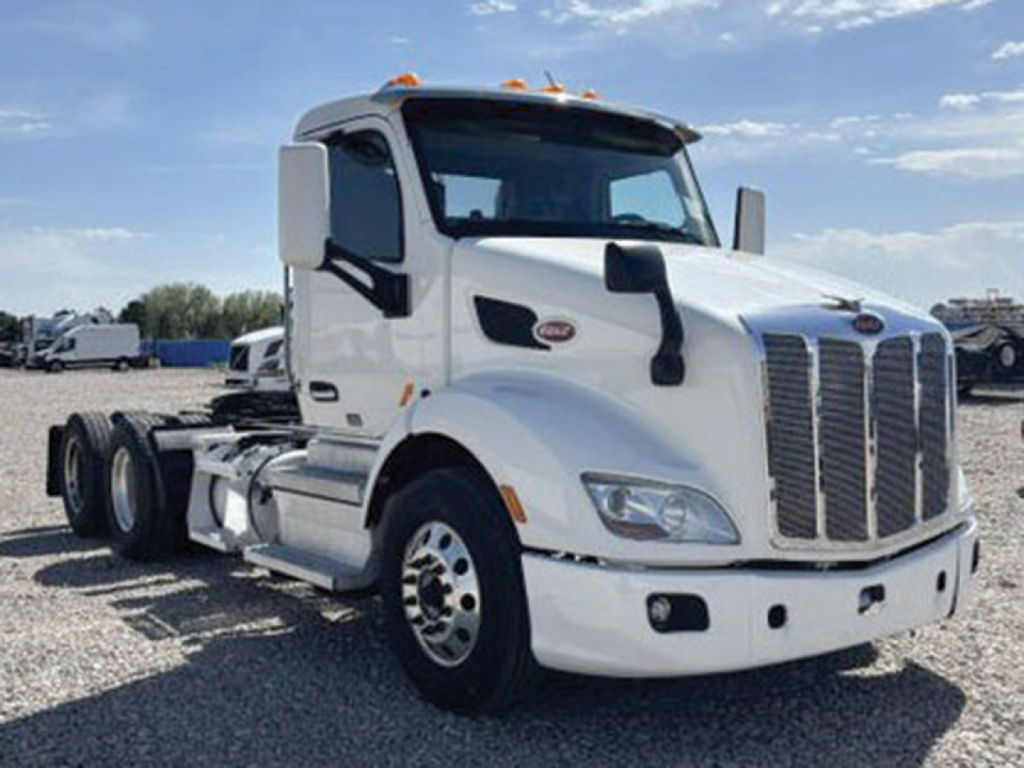
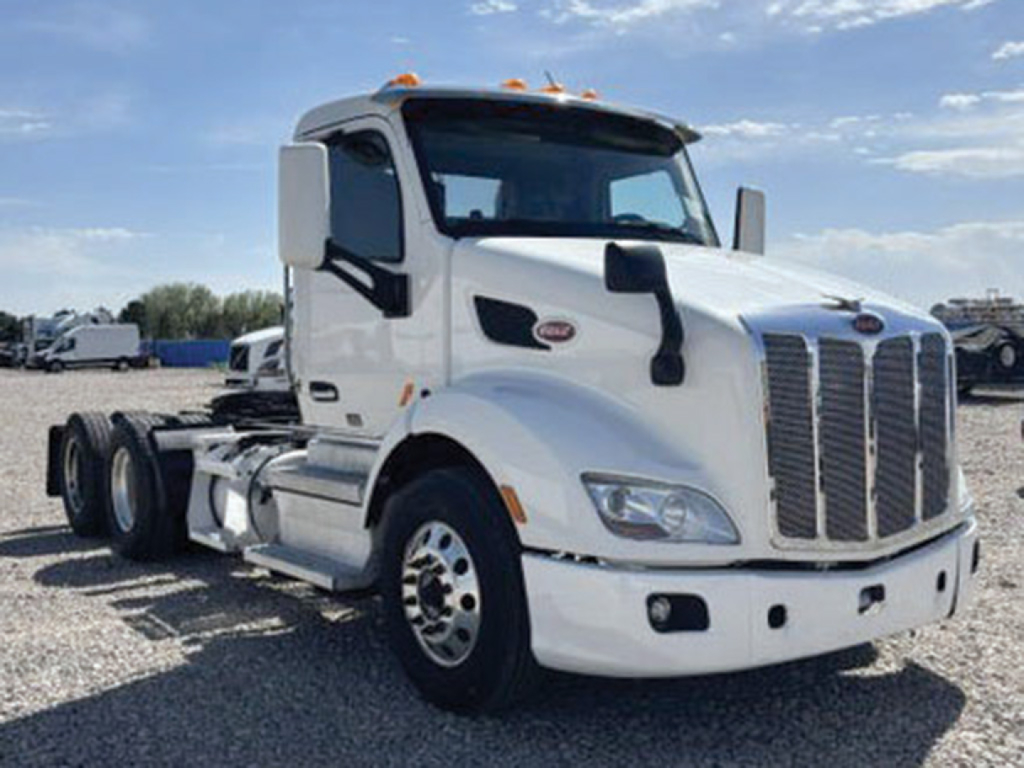
Shop used 2019 conventional daycab trucks in Colorado. Compare specs, wheelbase, engine, axle ratios, and PTO-ready configurations.
Learn more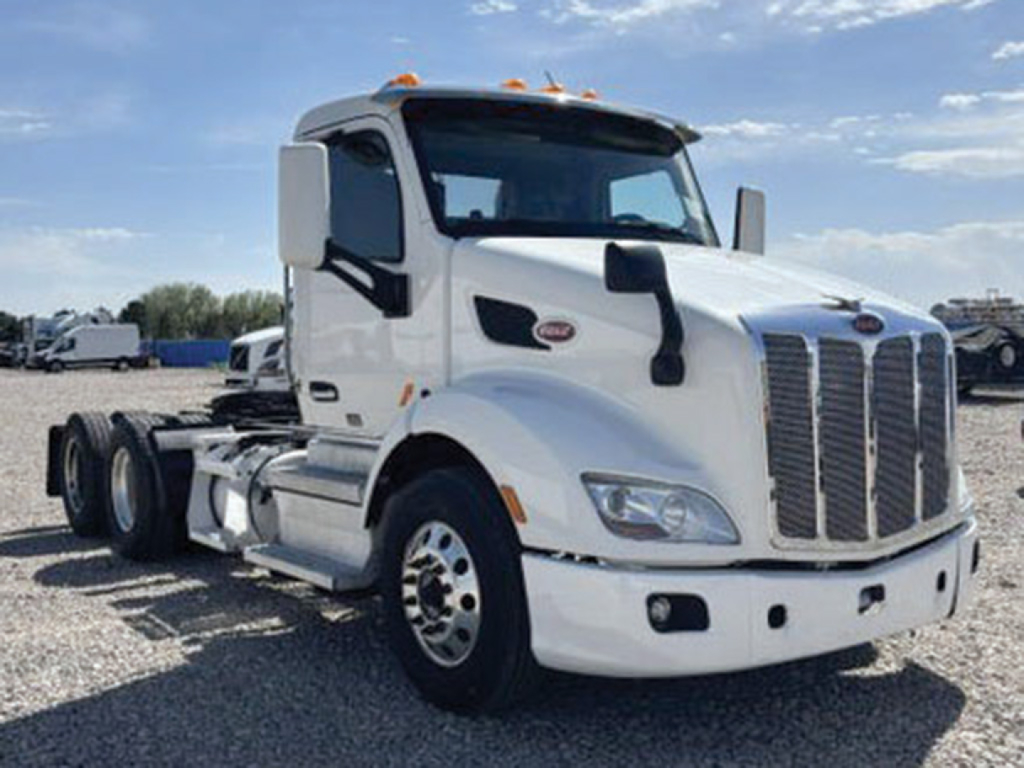
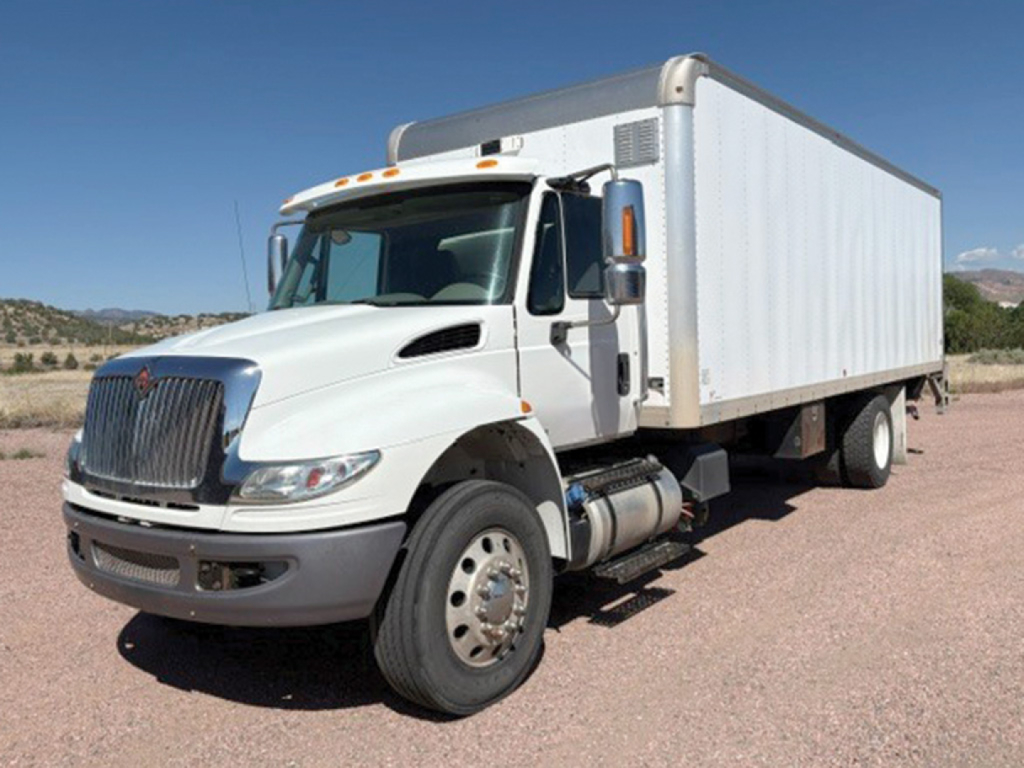
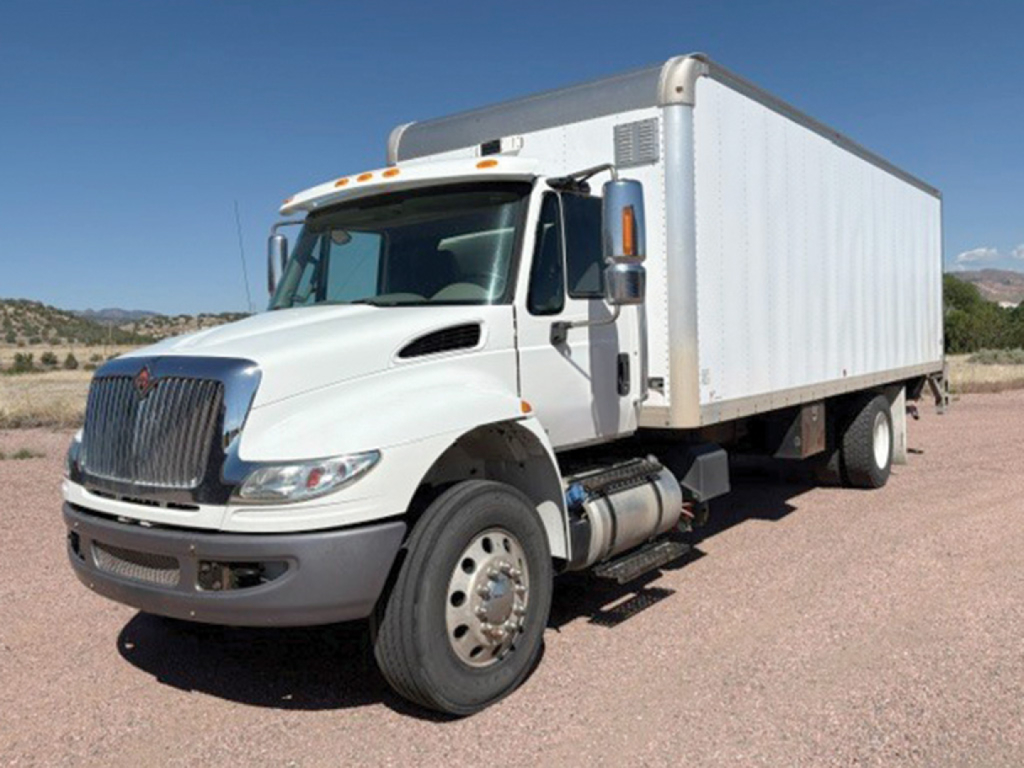

Have used 2019 conventional daycab truck to sell? List it here to reach thousands of buyers.
About Used 2019 Conventional Daycab Trucks in Colorado
The most important buying decisions usually start with engine and transmission pairing. In this class, 2019 models commonly show up with proven diesel platforms from Cummins, Detroit, Paccar, or Volvo, often matched to automated manual transmissions or full automatics in vocational setups. Horsepower can range from the mid-300s into the 500 HP class depending on intended use, but torque, rear axle ratio, and GCWR matter more than headline horsepower if the truck will spend time pulling grades on I-70 or working heavy in the mountains. Buyers should look closely at engine brake performance, cooling system condition, emissions service history, and whether the truck is set up for linehaul efficiency or severe-duty work. A lower rear ratio may favor highway fuel economy, while a deeper ratio is often better for heavy starts, PTO work, and steep terrain.
Wheelbase, axle rating, and fifth wheel setup are just as important as the powertrain. A shorter wheelbase daycab is easier to maneuver in yards, city deliveries, and construction access points, while a longer wheelbase can improve ride quality and allow for larger fuel capacity, headache racks, wet kits, or frame-mounted equipment. Single-axle 4x2 trucks can be a good match for lighter regional freight, but tandem-axle 6x4 configurations remain the standard for heavier trailers and mixed terrain. Check front axle capacity, suspension type, locking differentials, and whether the truck has an air slide fifth wheel, fixed fifth wheel, or PTO and hydraulic wetline kit for dump or moving-floor applications. In Colorado, rubber, brakes, and suspension condition deserve extra attention because elevation, weather swings, and grade work expose weak maintenance quickly.
Cab condition and spec discipline often separate a good used 2019 daycab from one that only looks good in photos. Look for steering wheel and seat wear that matches the mileage, inspect frame rails for corrosion or modifications, and confirm that the DPF, DOC, and SCR systems have been maintained correctly. Service records for injector work, turbo replacement, EGR components, and aftertreatment cleaning are valuable on any used emissions-era tractor. Inside the cab, useful features often include air ride seats, tilt and telescoping steering, power windows, cruise control, integrated brake controls, and updated dash displays. The best truck in this category is not just the cleanest one. It is the one whose wheelbase, axle ratios, transmission, and PTO or fifth wheel configuration match the lane, trailer, and elevation profile it will actually run.
Frequently Asked Questions
What is a conventional daycab truck used for?
A conventional daycab truck is a non-sleeper tractor designed for local, regional, and vocational work where the driver returns daily and does not need a sleeper berth. Common applications include dry van, flatbed, tanker, dump, lowboy, container, and dedicated route service. The conventional hood layout provides easier engine access for maintenance, and the daycab design usually reduces curb weight compared with a sleeper tractor.
What should I look for in a used 2019 conventional daycab in Colorado?
Focus on drivetrain spec, emissions history, and how the truck was previously used. Colorado buyers should pay close attention to horsepower and torque, rear axle ratio, engine brake strength, cooling system condition, and brake performance because mountain grades and elevation can expose under-spec'd trucks. It is also smart to inspect DPF and SCR service records, tire condition, suspension wear, and whether the wheelbase and axle configuration fit the trailer and route profile.
Is a 2019 daycab better with an automated manual or a manual transmission?
That depends on the application and driver pool. Automated manual transmissions are common in 2019 trucks because they improve driver consistency, reduce clutch wear, and simplify hiring across mixed experience levels. A manual can still be a strong choice in certain heavy-haul or vocational applications where the operator wants direct gear control, but many fleets prefer the lower training burden and more standardized operation of an automated manual.
What axle setup is most common on a conventional daycab truck?
The most common setup is a tandem-axle 6x4 daycab because it balances traction, legal payload, and trailer compatibility across a wide range of freight. Single-axle 4x2 daycabs are also used, especially in lighter regional or urban applications where maneuverability and lower operating cost matter more than maximum gross combination weight. Buyers should match the axle setup to trailer type, commodity weight, and terrain rather than assuming one layout fits every operation.
Can a conventional daycab be used for PTO or wet kit applications?
Yes. Many conventional daycab trucks are configured for PTO-driven or hydraulic applications, especially in dump, walking floor, lowboy, and certain tanker operations. The key is confirming the truck has the correct transmission provisions, PTO compatibility, hydraulic plumbing, reservoir setup, and frame space for the equipment. If the truck will run both highway freight and vocational work, the overall spec should support that dual-purpose use without compromising axle ratings or wheelbase requirements.