
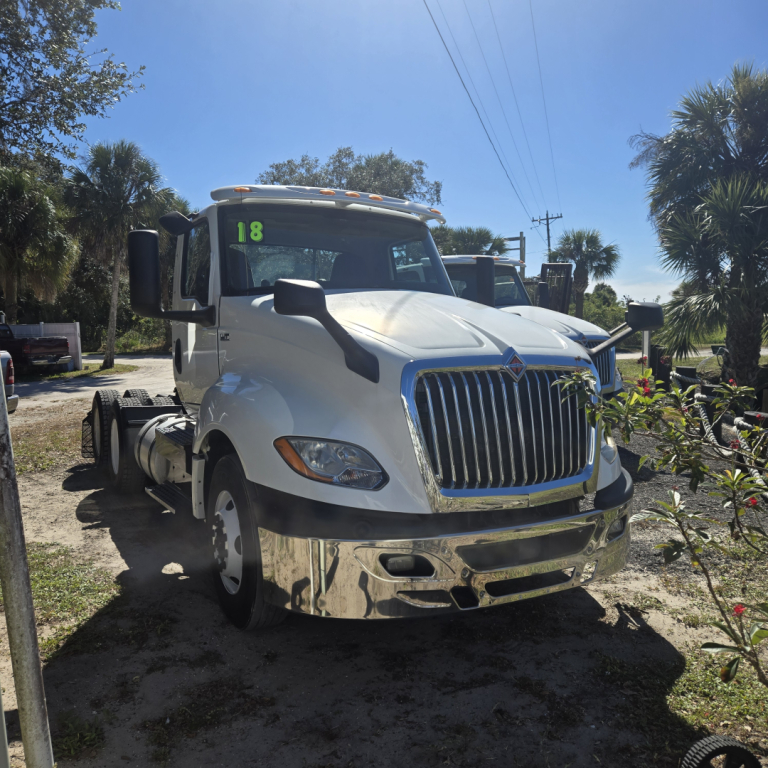
Used 2018 Conventional Daycab Trucks For Sale in Florida
Browse used 2018 conventional daycab trucks in Florida. Compare specs, wheelbase, axle ratios, engines, and cab setups for regional hauling.
Learn more
Have used 2018 conventional daycab truck to sell? List it here to reach thousands of buyers.
About Used 2018 Conventional Daycab Trucks in Florida
For this model year, common specs include 12.8L to 15.0L diesel engines, automated manual or manual transmissions, tandem drive axles, and wheelbases often in the 170-inch to 200-inch range depending on application. Fleet-oriented 2018 daycabs frequently show up with aerodynamic packages, air slide fifth wheels, air ride suspension, engine brakes, and 22.5 low-profile rubber. Rear axle ratios matter more than many buyers expect. A 2.41 or 2.47 ratio generally points to fuel-conscious highway and regional service, while deeper ratios are better suited for heavy starts, vocational use, or routes with more stop-and-go and grade resistance. If the truck will pull van or reefer freight on flatter lanes, taller gearing can make sense. If it will handle tank, dump, lowboy, or port work, gearing and suspension spec deserve closer scrutiny.
The 2018 market is also a transition point where many conventional daycab trucks include more driver-assist and efficiency features than earlier models. Collision mitigation, cruise control integration, automated transmissions, and improved aerodynamics became more common in fleet specs. Those features can help with fuel economy, driver retention, and insurance considerations, but buyers should still verify calibration status, fault history, and repair cost exposure. Pay attention to aftertreatment service records, clutch history on automated manuals, kingpin and fifth wheel wear, front-end alignment, and any signs of hard yard spotting or repeated heavy GCW use. A daycab that spent its life on steady regional lanes will usually present very differently from one used in severe stop-start or vocational service.
The best used 2018 conventional daycab truck is the one that matches the route and trailer, not just the badge on the hood. A 455 HP highway-spec tractor with fairings, cab extenders, and a long fuel range is ideal for regional distribution and drop-and-hook freight. A heavier-spec daycab with a PTO provision, shorter wheelbase, or more aggressive axle ratio fits construction support, equipment hauling, and specialty applications better. Buyers comparing trucks in this category should look closely at engine family, transmission type, wheelbase, rear axle rating, fifth wheel travel, and maintenance documentation before deciding on price alone.
Frequently Asked Questions
What is a conventional daycab truck used for?
A conventional daycab truck is used for regional hauling, local delivery, port drayage, dedicated tractor work, P&D service, and vocational tractor applications where the driver returns home without needing a sleeper berth. It uses a standard hooded conventional chassis with a non-sleeper cab, which usually reduces weight and improves maneuverability compared with a sleeper tractor.
What should I look for on a used 2018 conventional daycab?
Focus on engine hours, maintenance records, aftertreatment history, transmission service, axle ratio, wheelbase, suspension type, and fifth wheel condition. On a 2018 model, it is especially important to check emissions-system repairs, clutch wear on automated manual transmissions, front axle and alignment wear, and the condition of driver-assist systems such as collision mitigation if equipped.
Is an automatic or manual transmission better in a daycab truck?
Automated manual transmissions are common in 2018 fleet daycabs because they help with fuel economy, driver consistency, and easier operation in traffic. A manual transmission may still appeal for heavy haul, vocational work, or fleets with specific driver preference and maintenance experience. The better choice depends on route type, driver pool, and whether the truck will spend more time in stop-and-go service or steady highway operation.
Why does rear axle ratio matter on a conventional daycab?
Rear axle ratio affects launch performance, cruising RPM, fuel economy, and how well the truck matches its trailer and route. Taller ratios such as 2.41 or 2.47 are typically selected for highway and regional fuel efficiency. Deeper ratios are better for heavy loads, frequent starts, or vocational applications where low-speed pulling power matters more than top-end efficiency.
Are 2018 daycab trucks a good choice for Florida operations?
A 2018 daycab can be a strong fit for Florida freight because it suits regional distribution, intermodal work, and short-haul lanes common across the state. Buyers should inspect A/C output, cooling system performance, rust or corrosion from coastal exposure, and suspension wear from urban and port service. Trucks operating in humid and salt-air environments need closer attention to electrical connections, frame condition, and undercarriage components.