
Used 2016 Conventional Daycab Trucks For Sale in Florida
Browse used 2016 conventional daycab trucks in Florida. Compare wheelbase, engine, transmission, axle ratio, and daycab specs.
Learn more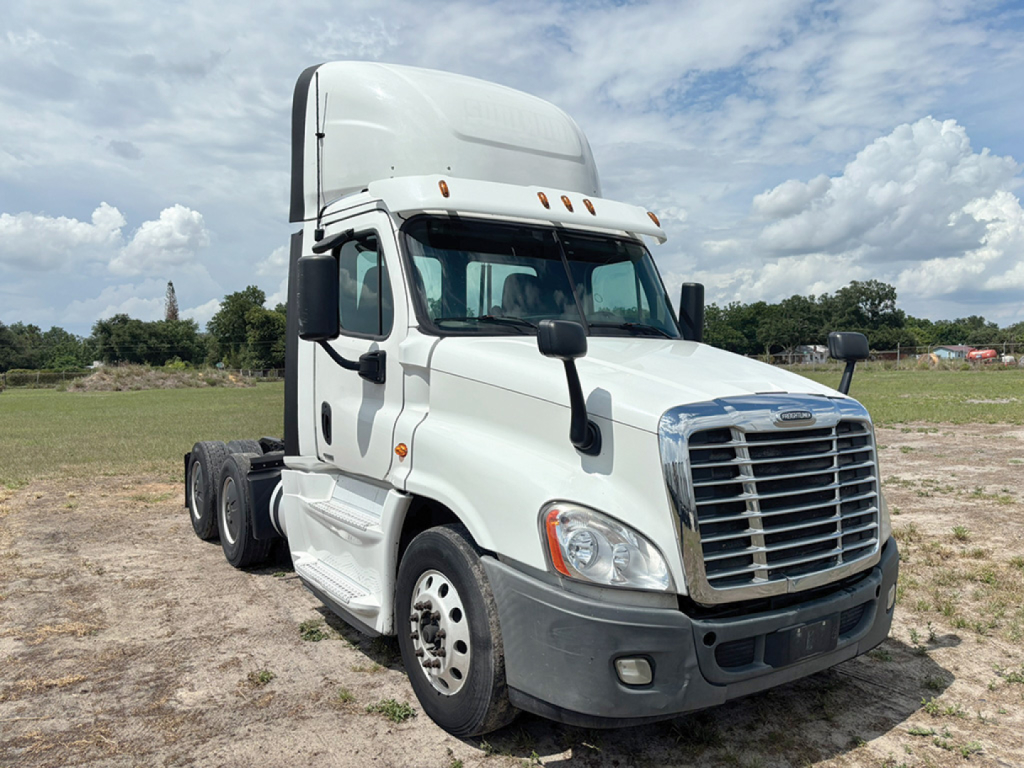
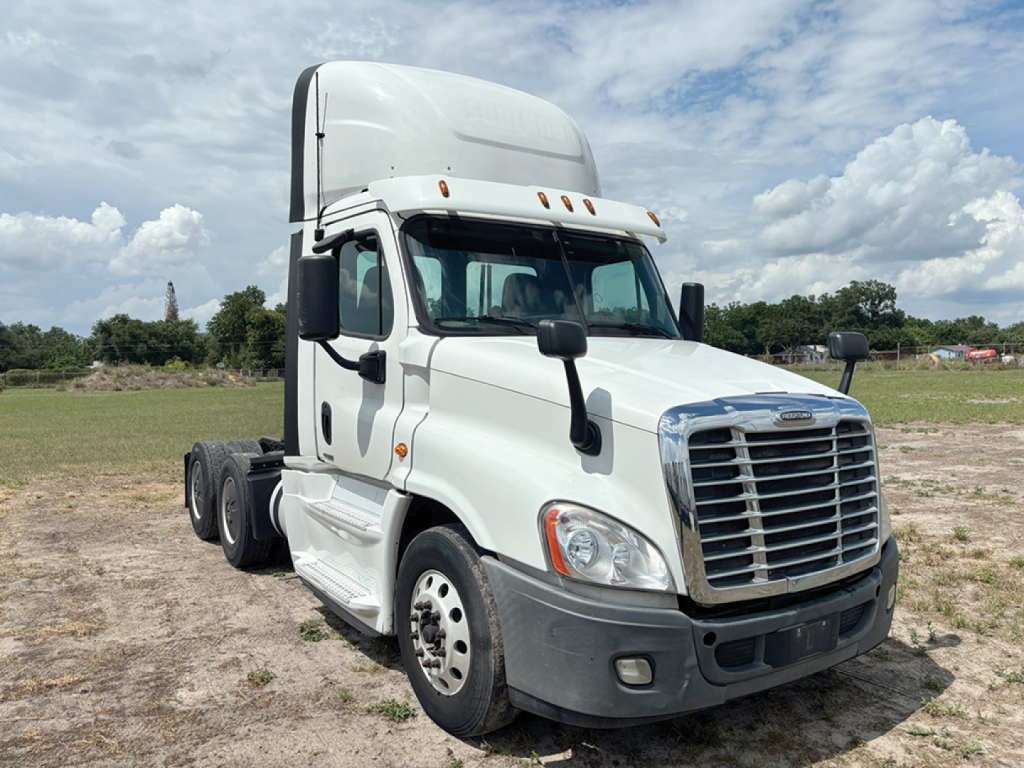
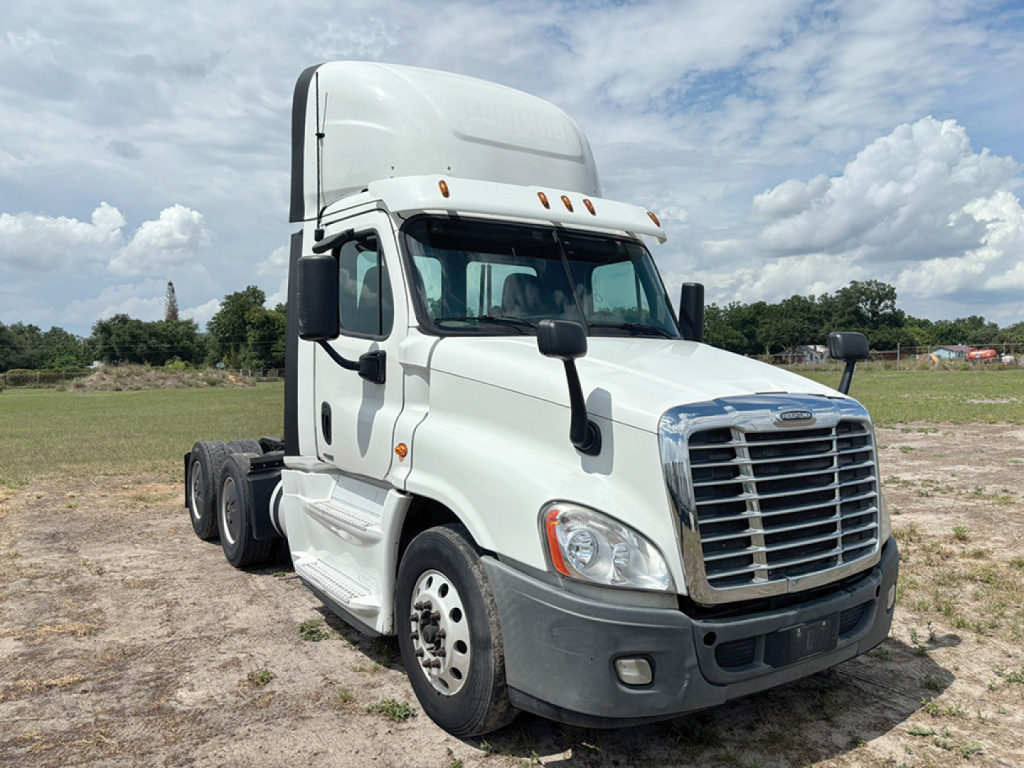
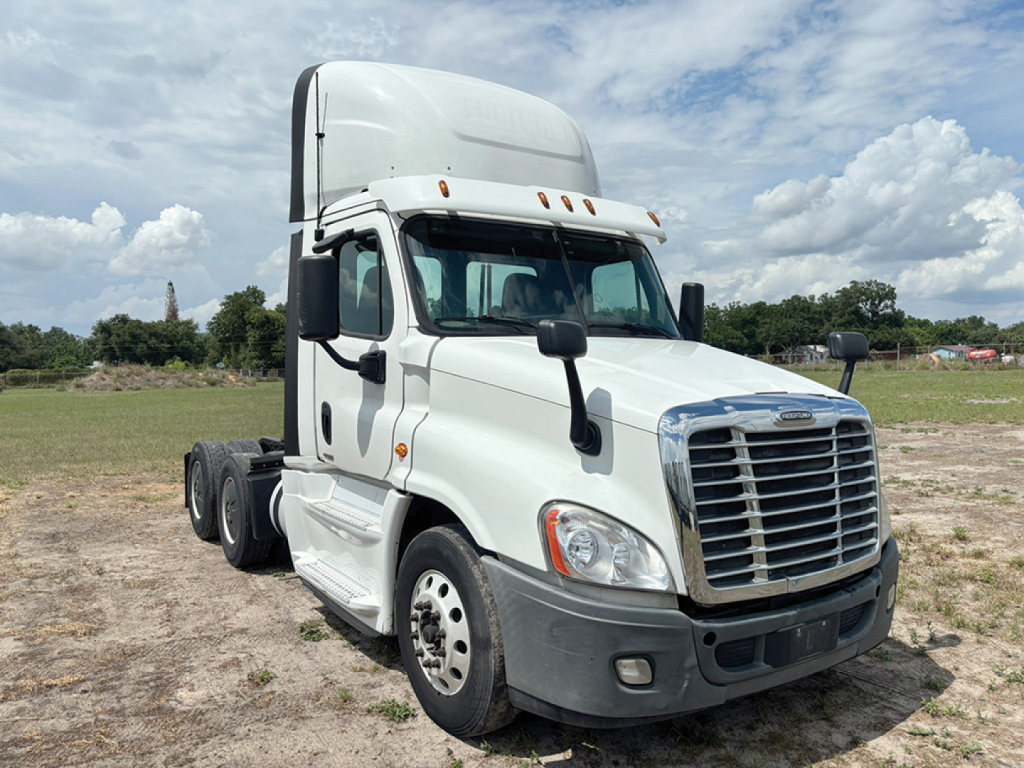
Have used 2016 conventional daycab truck to sell? List it here to reach thousands of buyers.
About Used 2016 Conventional Daycab Trucks in Florida
For a 2016 model, the big buying decisions usually come down to powertrain, wheelbase, and rear axle setup. Common engines in this class include Detroit DD15, Cummins ISX, PACCAR MX, and similar 13-liter to 15-liter platforms, often paired with automated manual or manual transmissions. Pay close attention to horsepower and torque ratings, engine brake performance, rear axle ratio, and suspension type. A truck spec'd with a 2.41 or 2.47 ratio and an aerodynamic package will usually favor fuel economy on highway regional lanes, while a shorter ratio and heavier axle package may be better suited for start-stop hauling, vocational pulls, or heavier GCW work. Wheelbase matters too. A shorter wheelbase improves turning radius and dock access, while a longer wheelbase may ride better and allow more flexibility in fuel tank and fifth wheel placement.
Condition matters more than badge alone on a used 2016 daycab. Buyers should review engine hours, idle hours, service records, DPF and SCR history, clutch life on automated manuals, suspension wear, and the condition of the fifth wheel, tires, brakes, and frame rails. Florida buyers should also inspect for corrosion around battery boxes, crossmembers, air tanks, and wiring connections, especially on trucks that have spent time in coastal service or port environments. If the truck is intended for tanker, flatbed, dump, or lowboy work, confirm PTO provision, frame strength, axle rating, and any existing hydraulic setup. If it will stay in van or reefer service, aerodynamics, collision mitigation features, cab comfort, and fuel capacity may have a bigger impact on operating cost.
A well-matched 2016 conventional daycab can still deliver strong value when the spec fits the route. Look for a cab layout that supports driver uptime, including air ride seats, good visibility, easy dash access, and a clean aftertreatment history. Check kingpin settings and sliding fifth wheel travel if trailer mix varies across the fleet. On higher-mile units, the best buys are often the trucks with consistent maintenance, sensible gearing, and no mismatch between the original spec and the work they are expected to do now.
Frequently Asked Questions
What is a conventional daycab truck used for?
A conventional daycab truck is used for hauling freight on local and regional routes where a sleeper is not necessary. Common applications include dry van, reefer, container drayage, tanker, flatbed, and dedicated distribution work. The daycab layout reduces weight and shortens overall length, which helps with payload efficiency and maneuverability in cities, yards, and frequent dock stops.
What should I check on a used 2016 conventional daycab before buying?
Focus on the powertrain, aftertreatment system, chassis condition, and maintenance history. Review engine hours, fault codes, DPF and SCR service records, transmission operation, clutch adaptation on automated manuals, brake wear, tire condition, and suspension components. Also inspect the frame rails, fifth wheel, air system, and steering components. A clean maintenance file and a spec that matches the intended job usually matter more than cosmetic appearance.
Is a 2016 daycab good for Florida regional and port work?
Yes, a 2016 daycab is often a strong fit for Florida operations because the truck class is designed for shorter routes, frequent stops, and tight turning environments. Many Florida fleets use daycabs for port drayage, retail distribution, produce, and refrigerated freight. Buyers should pay close attention to cooling system condition, air conditioning performance, and corrosion in coastal-service trucks, since heat, humidity, and salt exposure can affect long-term reliability.
What wheelbase and axle ratio are best on a conventional daycab?
The best setup depends on the application. A shorter wheelbase is usually better for container yards, city delivery, and crowded docks because it improves turning radius. A longer wheelbase can provide better ride quality and more room for fuel tanks or fifth wheel adjustment. Lower numerical axle ratios such as 2.41 or 2.47 are commonly chosen for fuel-efficient highway regional work, while higher numerical ratios can be better for heavier loads, more starts and stops, or specialized hauling.
Are automated manual transmissions common in 2016 conventional daycabs?
Yes, automated manual transmissions were already common in 2016 conventional daycabs, especially in fleet and regional service. They can help with fuel economy, driver consistency, and reduced clutch wear when properly maintained. Buyers should still confirm software updates, clutch condition, shift quality under load, and any service history related to transmission actuators or calibration.