
Used 2014 Conventional Daycab Trucks For Sale in Pennsylvania
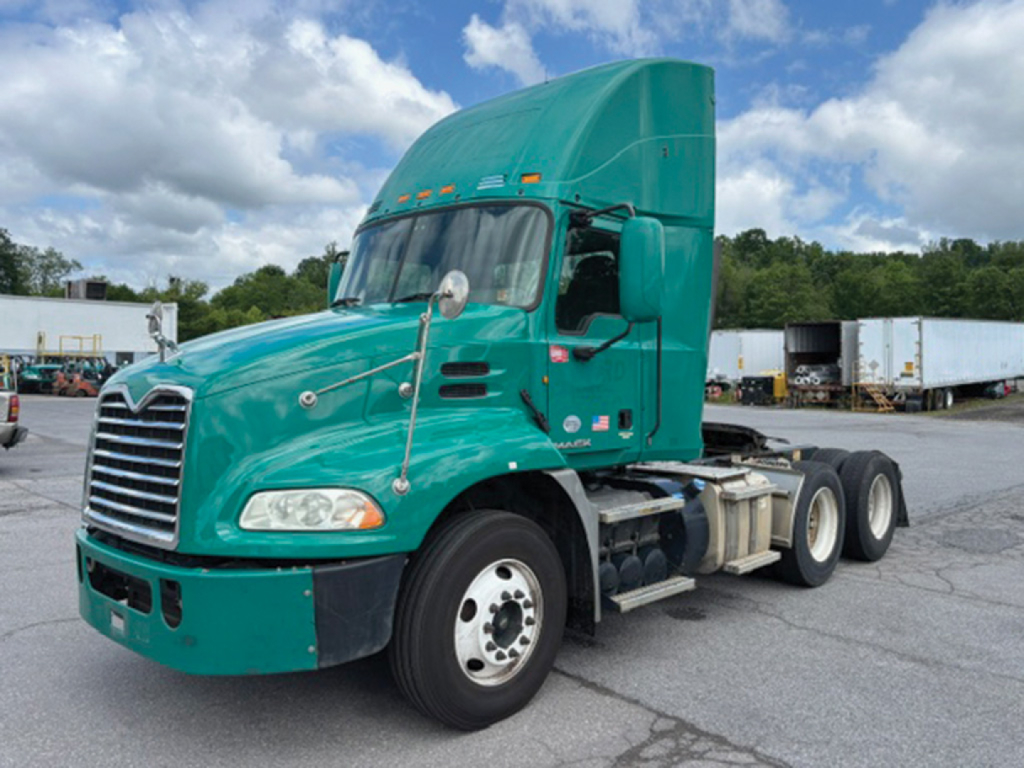
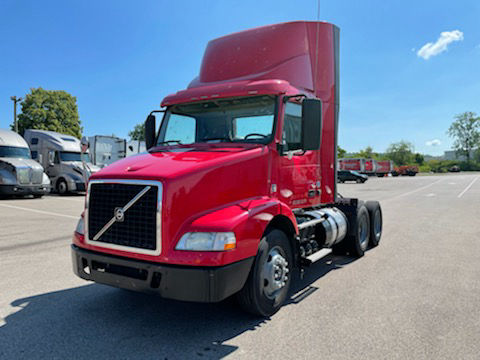
Have used 2014 conventional daycab truck to sell? List it here to reach thousands of buyers.
Used 2014 Conventional Daycab Trucks in Pennsylvania
For a 2014 model year, emissions equipment and powertrain history matter as much as brand preference. A smart buyer will look closely at DPF service records, DEF system repairs, engine brake operation, transmission calibration, and any fault history tied to aftertreatment. Many 2014 daycabs were spec'd with automated manual transmissions or traditional 10-speed and 13-speed manuals, so the right choice depends on route density, driver pool, and maintenance philosophy. Automatic and AMT trucks can reduce driver fatigue and support mixed-driver fleets, while manual transmissions may still appeal in heavier vocational service or fleets with in-house maintenance.
Cab layout and frame spec should match the intended trailer and body setup. Conventional daycab trucks, also known as non-sleeper conventionals or day cabs, are commonly used with dry vans, flatbeds, tank trailers, dump trailers, container chassis, and specialized regional trailers. Wheelbases often fall in the short to mid-range for maneuverability, but buyers should still confirm kingpin setting compatibility, slider travel, back-of-cab clearance, and legal bridge considerations. If the truck is being used in tighter Northeast lanes or urban Pennsylvania deliveries, turning radius, visibility, and bumper-to-back-of-cab measurement can matter more than raw horsepower.
A solid used 2014 daycab should be evaluated like a working asset, not just a truck with acceptable mileage. Check rear axle rating, suspension type, brake spec, tire size, fuel capacity, and the condition of the frame rails, crossmembers, and 5th wheel top plate. Interior wear, seat condition, HVAC performance, and steering wheel play can tell you a lot about the truck's prior service life. For buyers comparing multiple listings, the best value usually comes from a truck with a clear maintenance record, the right gearing for the job, and a spec that fits the trailer, route, and payload instead of simply chasing the lowest upfront price.
Frequently Asked Questions about Used 2014 Conventional Daycab Trucks in Pennsylvania
What is a conventional daycab truck used for?
A conventional daycab truck is used for hauling freight on local and regional routes where an overnight sleeper is not necessary. These trucks are common in dedicated freight, drayage, LTL work, terminal-to-terminal runs, flatbed service, tanker work, and other applications that prioritize maneuverability, lower weight, and easier cab access over long-haul living space.
What should I look for when buying a used 2014 daycab truck?
Start with the engine, transmission, axle rating, rear ratio, and wheelbase because those determine how the truck will actually perform in your operation. On a 2014 model, pay close attention to emissions maintenance records, including DPF cleaning intervals, DEF system repairs, sensor replacements, and any history of derate or regeneration issues. Also inspect the 5th wheel, suspension bushings, brake condition, tire wear pattern, frame condition, and signs of excessive idle hours if the truck came from local or urban service.
Is a single axle or tandem axle daycab better?
That depends on payload, trailer type, and the roads the truck will run. A single axle daycab is lighter, easier to maneuver, and often more economical for lighter regional freight or short-haul van work. A tandem axle daycab is better suited for heavier payloads, more demanding trailer applications, and operations where traction, durability, and legal weight distribution matter more than minimizing tare weight.
Are 2014 conventional daycabs good for Pennsylvania routes?
Yes, if the truck is spec'd correctly for terrain, traffic, and trailer type. Pennsylvania operations often include hills, winter weather, toll roads, and dense regional freight corridors, so buyers typically benefit from the right rear ratio, a dependable engine brake, and a suspension and brake setup that can handle mixed highway and urban use. Maneuverability also matters in older industrial areas, tighter loading docks, and city delivery environments.
Why do wheelbase and rear ratio matter on a daycab?
Wheelbase affects turning radius, trailer swing, back-of-cab clearance, and how easily the truck fits into tight yards or city docks. Rear ratio affects launch, gradeability, cruise RPM, and fuel economy. A shorter wheelbase with a deeper ratio may be ideal for heavier local work, while a taller ratio may be better for regional highway speeds. Matching these specs to your exact route and trailer setup is one of the most important buying decisions in this category.