
Used 2014 Conventional Daycab Trucks For Sale in California
Shop used 2014 conventional daycab trucks in California. Compare engines, transmissions, axle specs, emissions systems, and regional-duty fit.

Selling a used 2014 conventional daycab truck? List your used 2014 conventional daycab truck for sale and reach thousands of commercial buyers.
Used 2014 Conventional Daycab Trucks in California
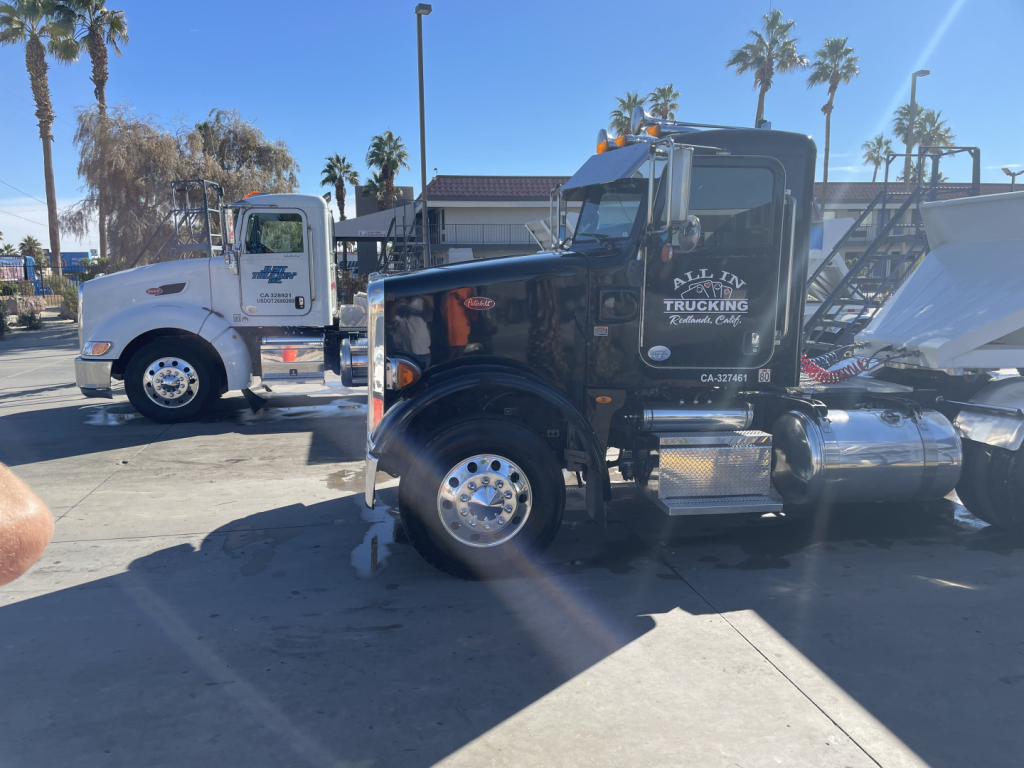
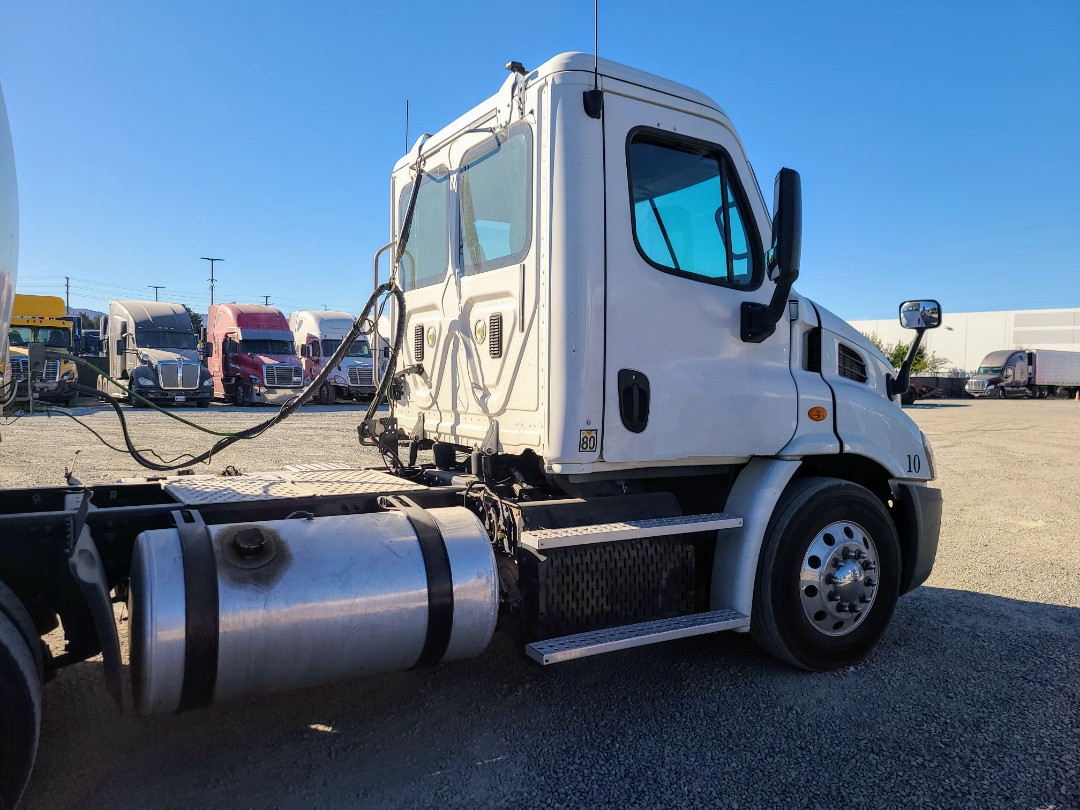
The conventional daycab, also known simply as a day cab tractor, is built for operations where a sleeper is unnecessary and maneuverability matters. Compared with a sleeper truck, a daycab generally offers lower curb weight, easier access in tight yards, and simpler maintenance around the cab and frame. Common configurations in this year include tandem axle 6x4 setups, though some buyers may find lighter regional or specialized specs. Wheelbase, fifth wheel placement, fuel capacity, and suspension type all matter depending on the work. A shorter wheelbase is useful for city and terminal work, while longer wheelbase daycabs can be better suited for heavier trailers or smoother highway manners. Air ride suspension, locking differentials, aluminum wheels, and sliding fifth wheels are common features buyers look for when balancing durability, ride quality, and trailer compatibility.
Powertrain choice is where most buyers separate a good value from a future headache. In 2014 conventional daycabs, common engines include Detroit DD13 and DD15, Cummins ISX or ISL9 in certain vocational-style specs, and PACCAR MX series engines in Peterbilt and Kenworth applications. Transmissions may be 10-speed manuals, automated manuals, or full automatics depending on prior service. For California stop-and-go freight, transmission condition, clutch life, and rear axle gearing deserve as much attention as horsepower. A truck set up for local work may prioritize low-speed drivability and fuel efficiency, while a regional unit pulling heavier loads may need more torque and the right ratio for highway grades. Review service records for engine rebuilds, injector work, one-box or DPF replacement, turbocharger history, and any CPC or ECM-related repairs, since those are the kinds of line items that directly affect reliability on a used 2014 tractor.
Cab condition and chassis spec should match the actual job, not just the sticker price. Check frame condition, evidence of corrosion or repairs, brake wear, tire match, kingpin release operation, steering play, and suspension bushing condition. Inside the cab, pay attention to HVAC performance, dash warning lights, gauge function, seat wear, and signs of electrical issues. A 2014 daycab with a clean interior, consistent maintenance history, and a properly functioning emissions system is usually a stronger buy than a cheaper truck with unresolved fault codes or missing aftertreatment parts. Buyers comparing Freightliner Cascadia, Peterbilt 579, 386, 365, or similar conventional daycab models should focus on how the spec fits California duty cycles, trailer type, route length, and shop support in their region.
Frequently Asked Questions about Used 2014 Conventional Daycab Trucks in California
What should I check first on a used 2014 conventional daycab truck in California?
Start with California emissions compliance, current registration status, and the condition of the aftertreatment system. On a 2014 truck, the DPF, DEF system, sensors, dosing components, and ECM history are critical because emissions-related downtime can be expensive and hard to diagnose if the truck has been neglected. After that, review engine hours, mileage, service records, transmission condition, and any active or inactive fault codes. A pre-purchase inspection with a diagnostic scan is strongly recommended.
Are 2014 daycab trucks good for port and regional work?
They can be, provided the truck is legally operable in California and spec'd for the job. A 2014 conventional daycab is well suited to drayage, regional freight, yard-to-warehouse moves, and local dedicated routes because it is easier to maneuver than a sleeper and usually lighter in weight. The key is matching wheelbase, axle rating, gearing, and engine torque to the work. Port and heavy urban service also put extra stress on emissions systems, clutch components, and cooling systems, so condition matters more than model year alone.
Which powertrain options are common in used 2014 conventional daycab trucks?
Common engines in this segment include Detroit DD13 and DD15, PACCAR MX-13, Cummins ISX, and in some vocational or lighter applications Cummins ISL9. Many trucks from this year were spec'd with 10-speed manual transmissions, though automated manual and automatic options also appear in fleet and regional service. Buyers should look beyond brand preference and evaluate horsepower, torque, rear axle ratio, maintenance history, and local shop support. A well-documented powertrain with recent major service is often a better value than a cheaper truck with unknown history.
Is a rebuilt engine a major advantage on a 2014 daycab?
A rebuilt engine can be a major plus if the work was documented, performed correctly, and supported by invoices showing what components were replaced. The value depends on whether the rebuild included OEM or equivalent parts, machine work, head work, injectors, turbo-related inspection, and proper calibration after installation. A rebuilt engine does not automatically solve issues elsewhere in the truck, so buyers should still inspect the transmission, driveline, emissions system, cooling system, and differential condition. Good paperwork matters as much as the rebuild itself.
What makes a conventional daycab different from a sleeper tractor?
A conventional daycab is a road tractor without a sleeper compartment, built for operations where the driver returns daily or does not need overnight accommodations. That usually means less weight, a shorter overall length, and better maneuverability in cities, yards, and distribution environments. For many local and regional fleets, a daycab is easier to maintain and more efficient for the application. Buyers should still compare cab layout, storage, visibility, and ride quality because driver comfort remains important even on shorter routes.