
Conventional Daycab Trucks For Sale in Missouri
Shop conventional daycab trucks in Missouri. Compare tandem axle specs, horsepower, wheelbase, transmissions, and regional haul applications.
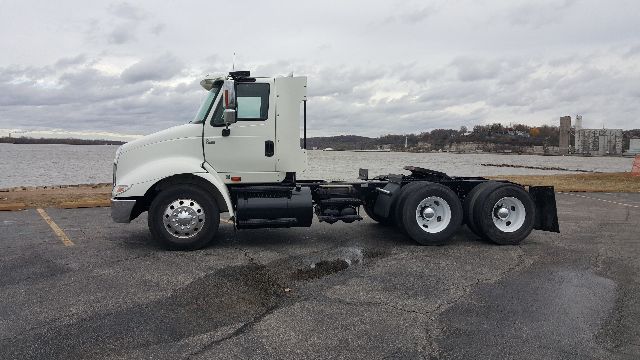
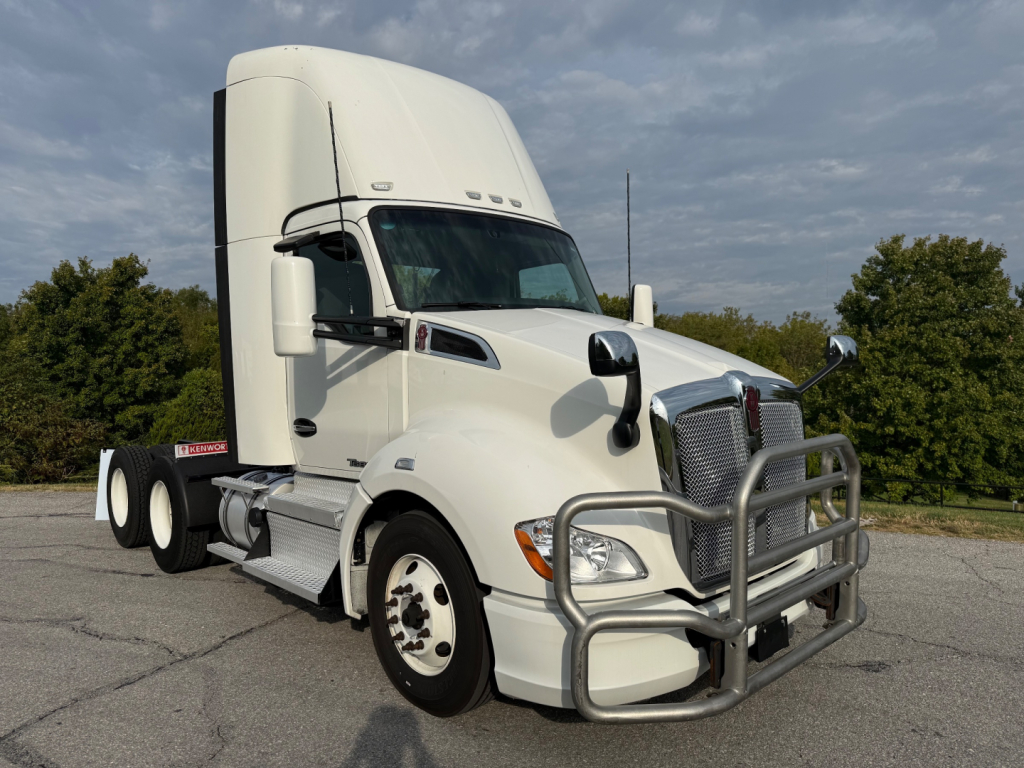
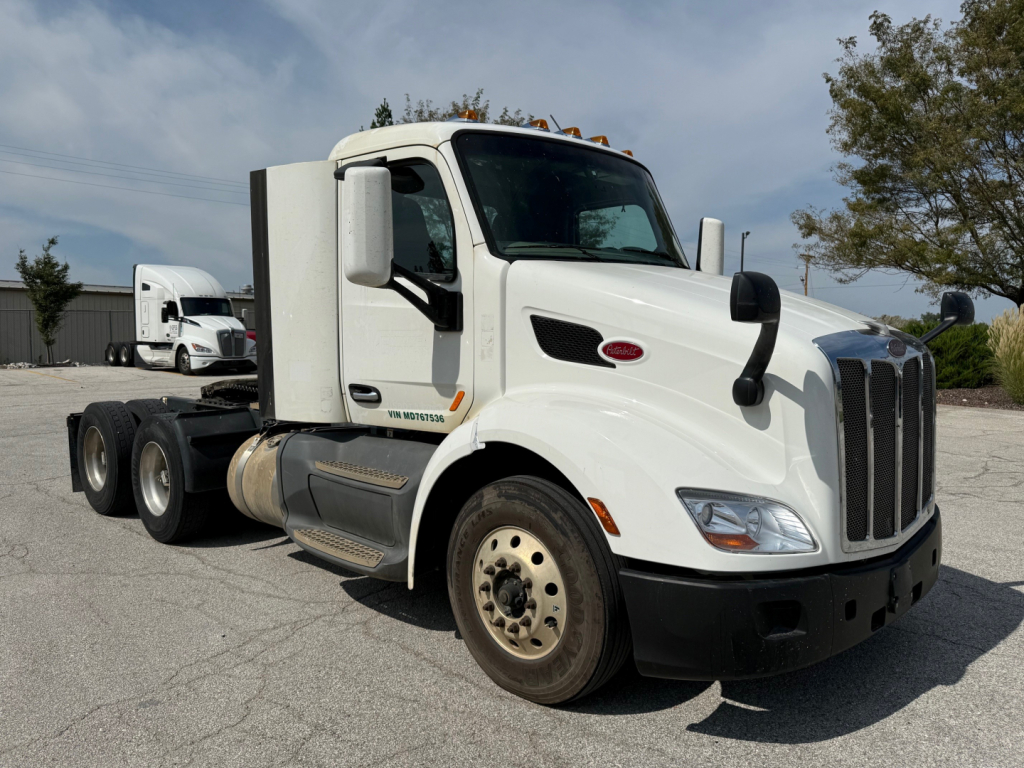
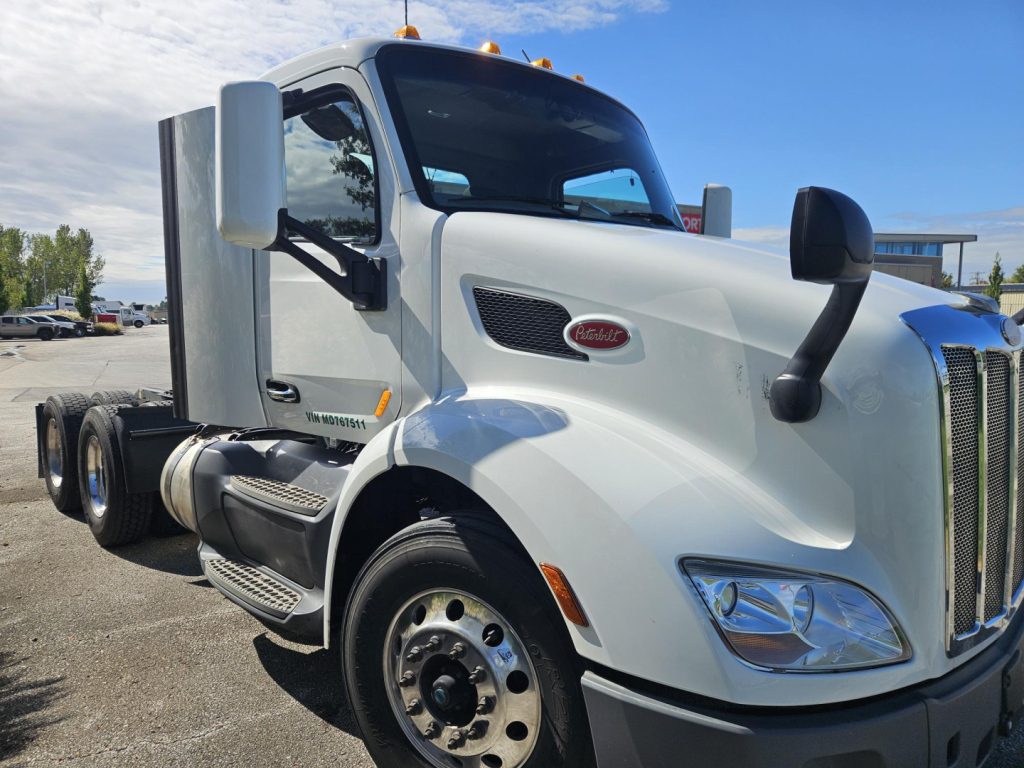
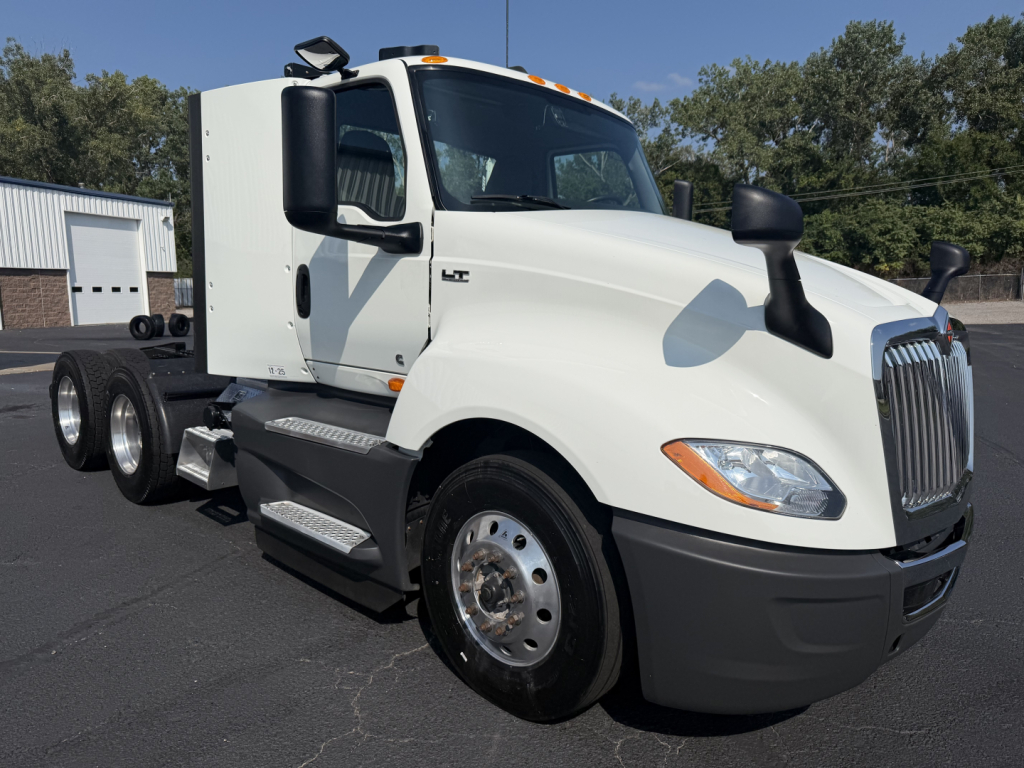
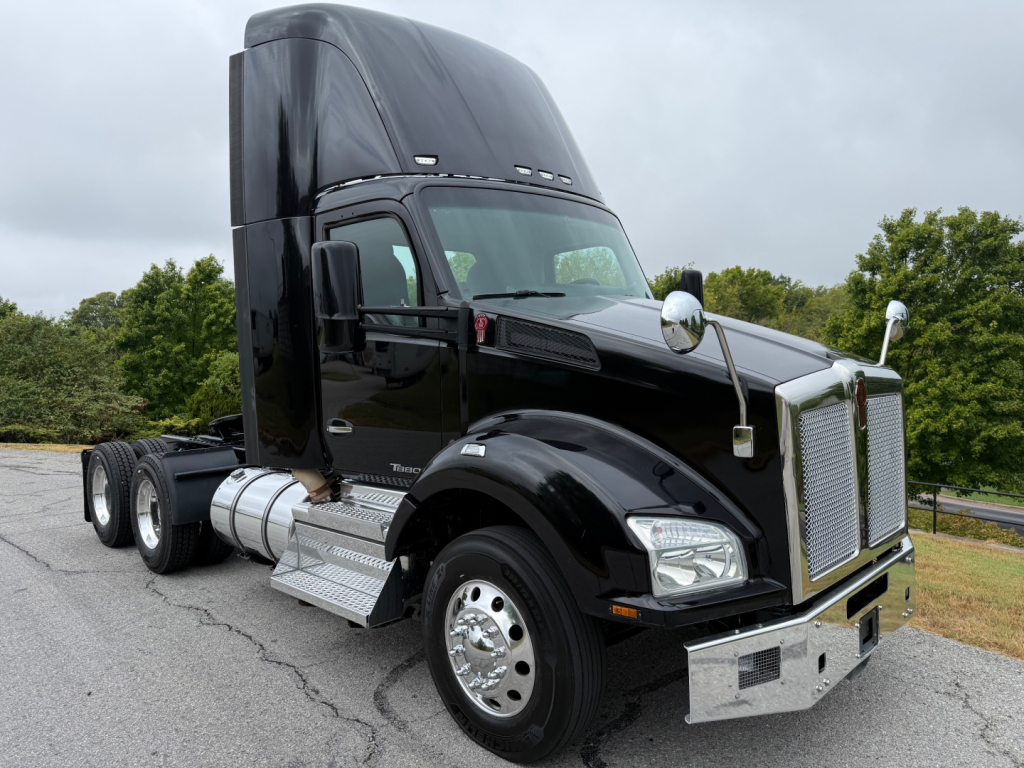

Selling a conventional daycab truck? List your conventional daycab truck for sale and reach thousands of commercial buyers.
Conventional Daycab Trucks in Missouri
The biggest buying decisions usually come down to engine, transmission, axle setup, and wheelbase. Many conventional daycabs in this class run 6x4 tandem drive configurations for general freight, flatbed, bulk, and heavier trailer work, while some 6x2 specs are aimed at fuel economy and lighter highway applications. Horsepower commonly falls in the low- to mid-400 range, with engines such as the Paccar MX-13 or Cummins ISM showing up often in fleet and owner-operator service. Buyers should match rear axle ratio and transmission to the job. A 10-speed manual remains a practical choice for mixed highway use, while automated manuals are common in newer fleet tractors. Wheelbase matters more than many buyers expect because it affects turning radius, fifth wheel placement, trailer swing clearance, and bridge-law flexibility.
Cab and chassis spec is where one daycab can be a much better fit than another. Air ride suspension and air ride seats help on rough regional routes and reduce driver fatigue. Front axle ratings, rear axle capacity, frame design, and fifth wheel type should be checked against the trailers and payloads you plan to pull. Fuel capacity can vary widely on daycabs, and that matters if the truck will run statewide lanes instead of staying local. Buyers should also pay attention to brake condition, tire age and tread depth, wheel material, engine brake function, cooling system service history, and whether the truck is set up with features like heated mirrors, power steering, block heater, or all-aluminum wheels. On used daycabs, mileage alone does not tell the whole story. Idle time, maintenance records, clutch wear, emissions history, and DOT-readiness are usually more important than the odometer by itself.
A well-matched conventional daycab can lower operating cost compared with a sleeper tractor while still handling full-size semitrailer work. That makes this category popular for dedicated contract freight, port and rail drayage, vocational trailer pulling, and private fleet operations that need a road tractor without overbuying the cab. Missouri buyers often focus on dependable highway gearing, strong cooling performance through hot summers, and a spec that can handle both urban stops and steady interstate miles. The right truck is the one whose axle ratings, drivetrain, and wheelbase fit your freight profile first, then delivers the comfort and fuel economy your route demands.
Frequently Asked Questions about Conventional Daycab Trucks in Missouri
What is a conventional daycab truck used for?
A conventional daycab truck is a highway tractor without a sleeper compartment, designed for loads that do not require overnight stays in the cab. Common uses include local freight, terminal-to-terminal runs, dedicated regional routes, drayage, and private fleet operations. Compared with a sleeper tractor, a daycab typically reduces empty weight, improves maneuverability, and lowers upfront cost while still pulling standard semitrailers.
What axle configuration is best for a daycab, 6x4 or 6x2?
A 6x4 is the more common choice for buyers who need broad application flexibility, better traction, and stronger performance under heavier loads or rougher yard conditions. A 6x2 can improve fuel economy and reduce drivetrain complexity in lighter highway service, but it may not be the best fit for every trailer type, weather condition, or loading scenario. The right choice depends on average gross weight, terrain, traction needs, and how often the truck leaves paved surfaces.
What should I check first on a used conventional daycab?
Start with the drivetrain and service history. Confirm engine model, horsepower, transmission type, rear axle ratio, mileage, idle hours if available, and maintenance documentation. Then inspect emissions components, clutch or automated transmission operation, brake wear, tire condition, suspension type, frame integrity, and fifth wheel wear. A truck that is clean, DOT-ready, and properly maintained is usually a better buy than one that only looks good cosmetically.
How important is wheelbase on a daycab tractor?
Wheelbase is a major spec because it affects turning radius, trailer gap, fifth wheel placement, weight distribution, and how easily the truck works in tight docks or crowded yards. A shorter wheelbase usually improves maneuverability, while a longer wheelbase can help with ride quality, fuel capacity, and certain trailer setups. Buyers should match wheelbase to the trailer lengths they pull, the loading docks they enter, and any bridge-law or kingpin-setting considerations in their lanes.
Is a manual transmission still a good choice in a daycab?
Yes, a manual transmission is still a practical option for many daycab operations, especially where drivers prefer direct gear control, maintenance familiarity, and proven durability. A 10-speed manual remains common in mixed highway and regional service. Automated manual transmissions are also popular because they can reduce driver fatigue, support fuel-efficiency programs, and simplify hiring in fleets with multiple drivers. The better choice depends on driver preference, route type, maintenance support, and total operating cost.