
Kenworth Conventional Daycab Trucks For Sale in New York
Shop Kenworth conventional daycab trucks in New York. Compare T660, T680, and T880 specs, axle ratings, wheelbases, engines, and drivetrain setups.
Learn more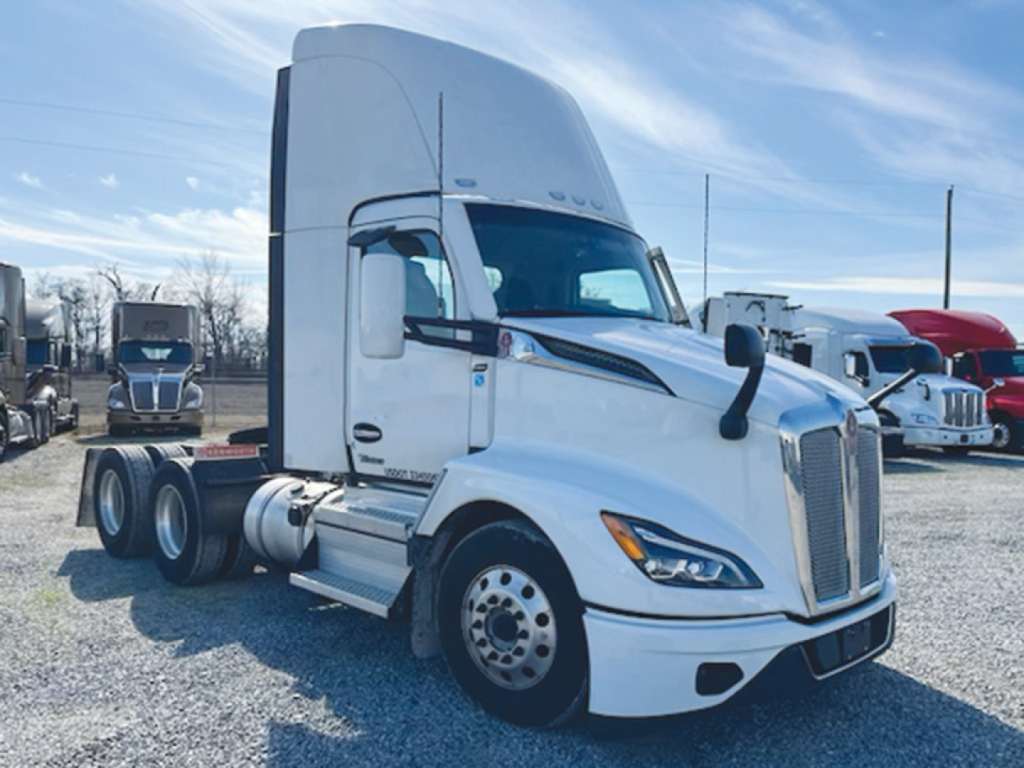

Have kenworth conventional daycab truck to sell? List it here to reach thousands of buyers.
About Kenworth Conventional Daycab Trucks in New York
Frequently Asked Questions
What are the most common Kenworth daycab models buyers compare?
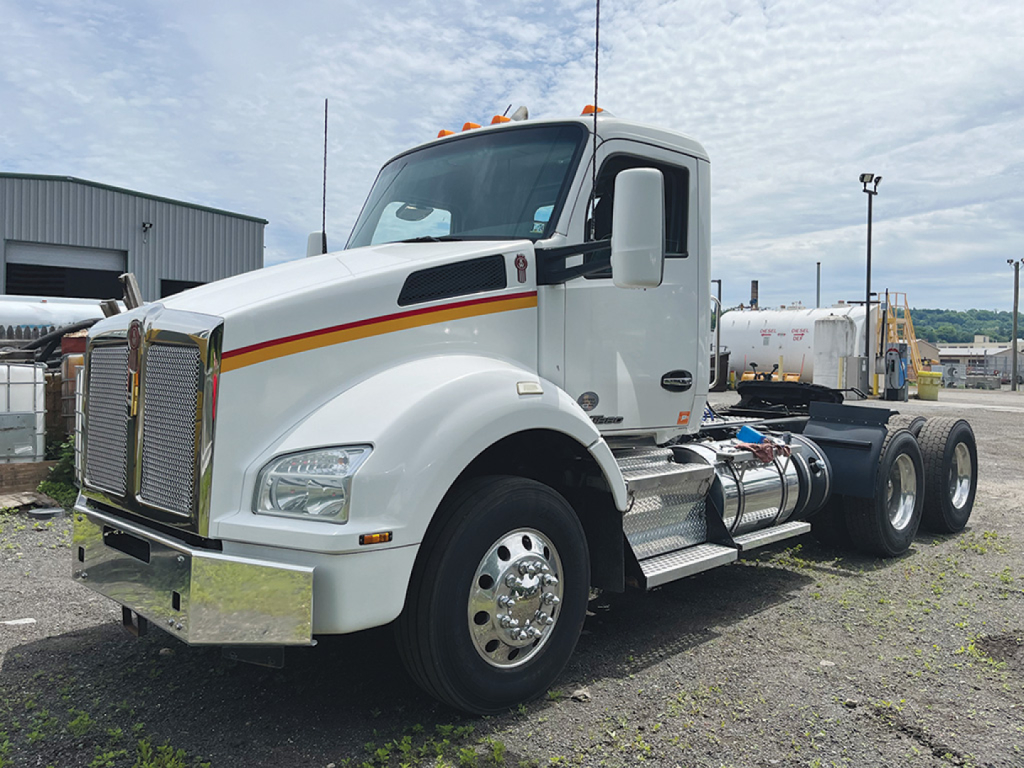
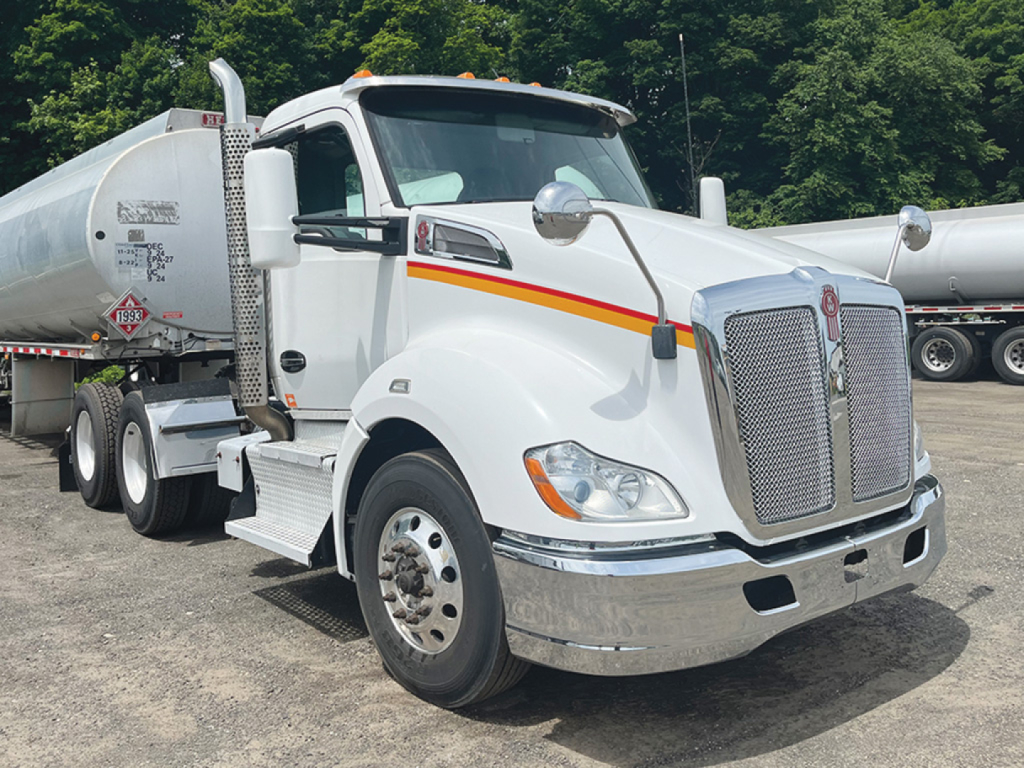
The most common Kenworth conventional daycab models are the T660, T680, and T880. The T660 is a proven aerodynamic highway platform that still shows up in many regional fleets. The T680 is a newer aero conventional with updated cab design, improved driver environment, and efficient spec options. The T880 is a more vocationally oriented conventional that can still be spec'd as a daycab tractor, often with heavier front axle ratings, PTO capability, and chassis layouts suited to demanding applications.
What specs matter most when buying a used Kenworth conventional daycab?
The most important specs are engine make and horsepower, transmission type, rear axle ratio, wheelbase, axle ratings, suspension, and fifth wheel setup. Many buyers in this category look closely at 12,000 to 12,350 lb front axles, 40,000 lb rears, 6x4 configurations, and wheelbases around the mid-180-inch to 200-inch range. A 10-speed manual remains common and practical for many fleets. Rear ratios such as 3.42, 3.55, and 3.70 can significantly change launch performance, cruise RPM, and suitability for regional versus heavier vocational work.
Which engine is better in a Kenworth daycab, Cummins ISX or Paccar MX-13?
Both are widely used, but the better choice depends on your shop support, duty cycle, and operating preferences. The Cummins ISX is well known across the industry, with broad parts and service familiarity, and many buyers prefer it for fleet standardization. The Paccar MX-13 can be a strong fit for fuel-conscious regional operations and is common in newer Kenworth specs. On a used truck, maintenance history, emissions condition, fault codes, and overall driveline health matter more than brand name alone.
Is a Kenworth daycab a good fit for New York operations?
Yes, a Kenworth conventional daycab is often a strong fit for New York freight lanes, terminal work, and urban or regional service. A daycab eliminates sleeper length, which helps with maneuvering in tighter spaces and can make the tractor more practical for local and short-haul routes. Buyers in New York should still pay close attention to wheelbase, cab-to-axle measurement, fifth wheel position, and axle spread because those details affect trailer compatibility, turning radius, and legal weight distribution.
What should buyers inspect on a used Kenworth daycab before purchase?
Start with engine diagnostics, aftertreatment condition, clutch and transmission operation, suspension wear, brake type and remaining life, tire condition, and signs of frame or fifth wheel abuse. Verify whether the truck has a stationary or air-slide fifth wheel, and if it has a PTO, confirm the type and intended use. On higher-mileage units, review service records for DPF and DEF system work, cooling system repairs, kingpin and suspension wear, and any recurring dash warnings. A daycab used in heavy stop-start work can have a very different wear profile than one used primarily on regional highway routes.