
2024 Kenworth Conventional Daycab Trucks For Sale in Illinois
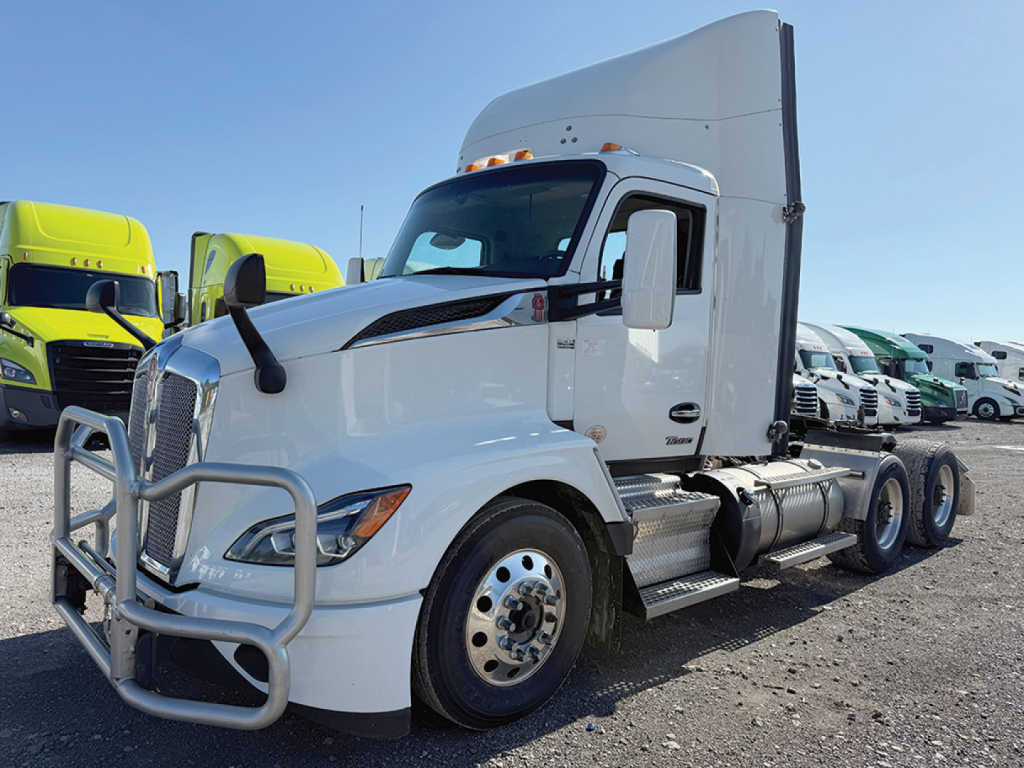
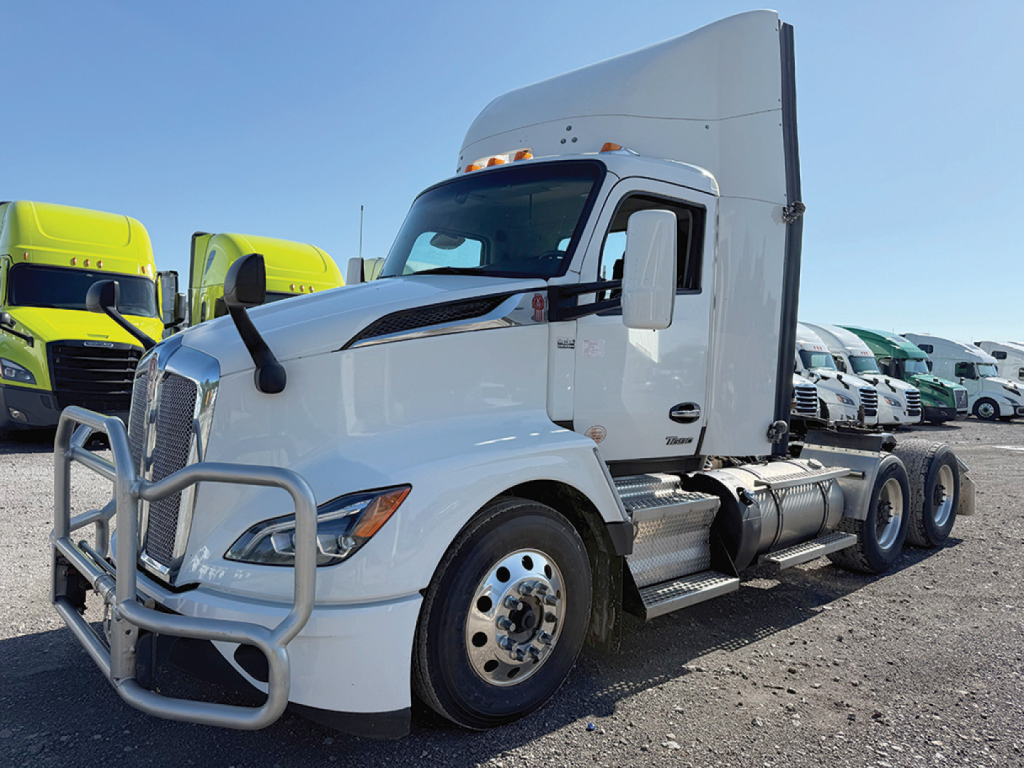
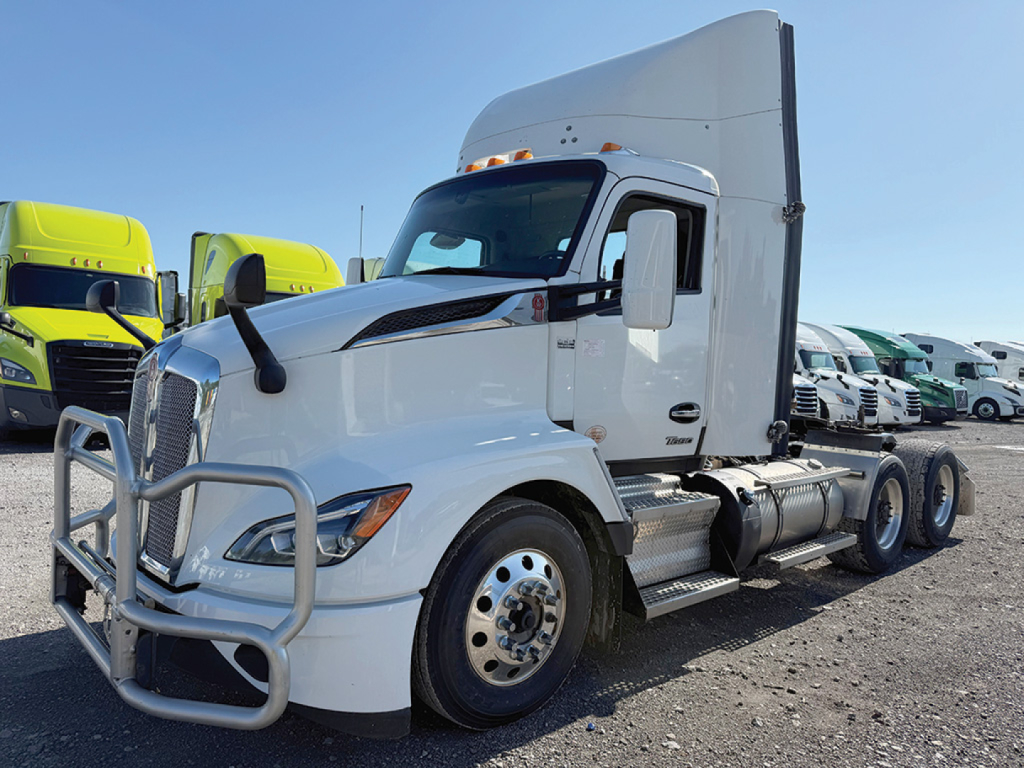
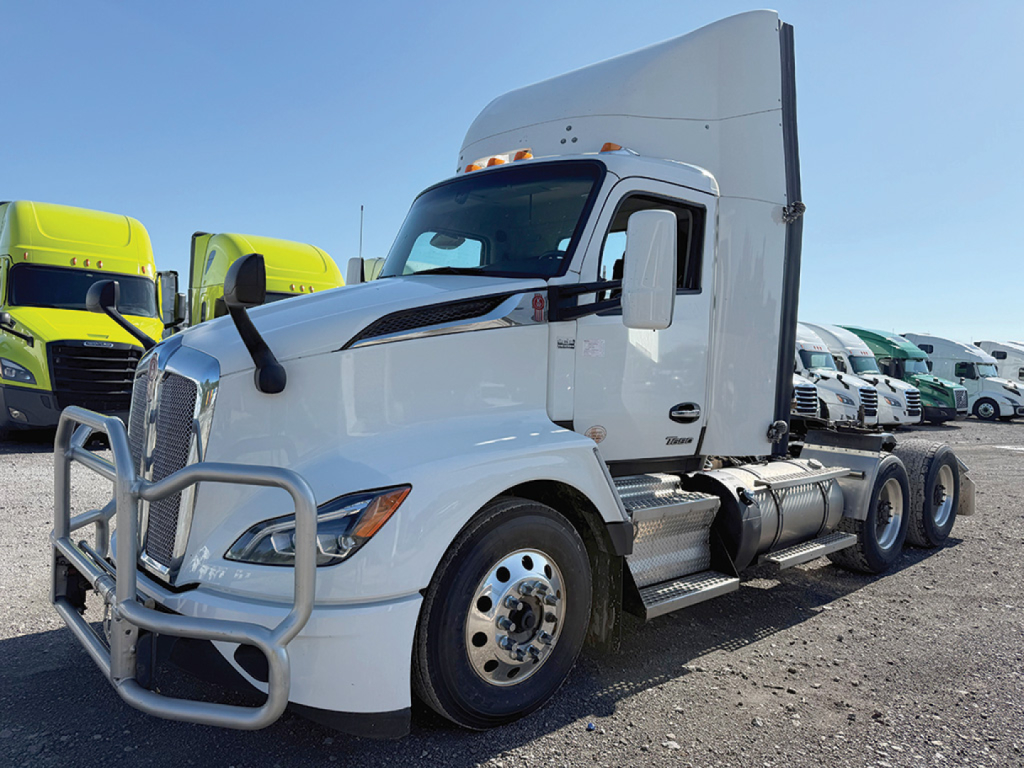
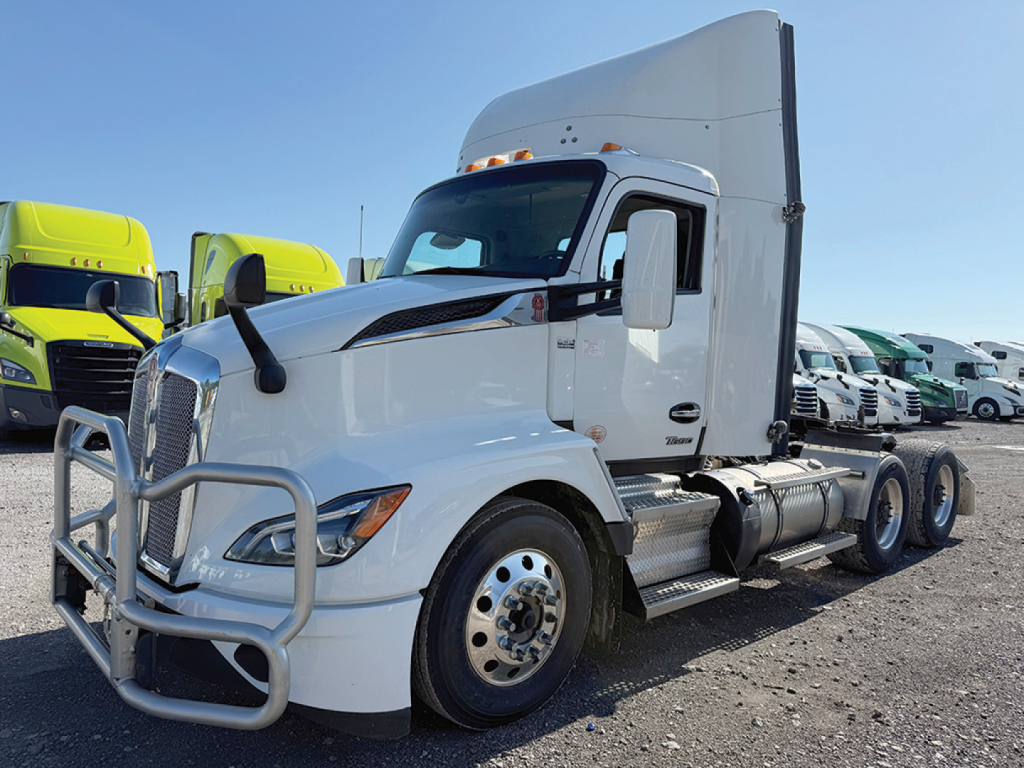
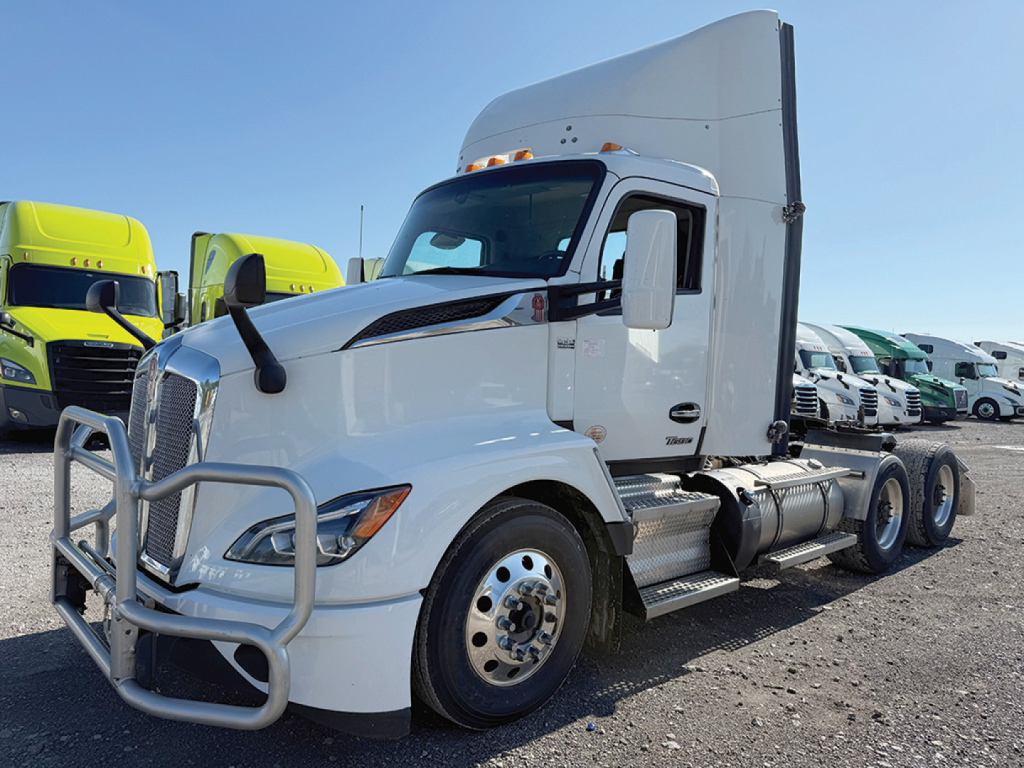
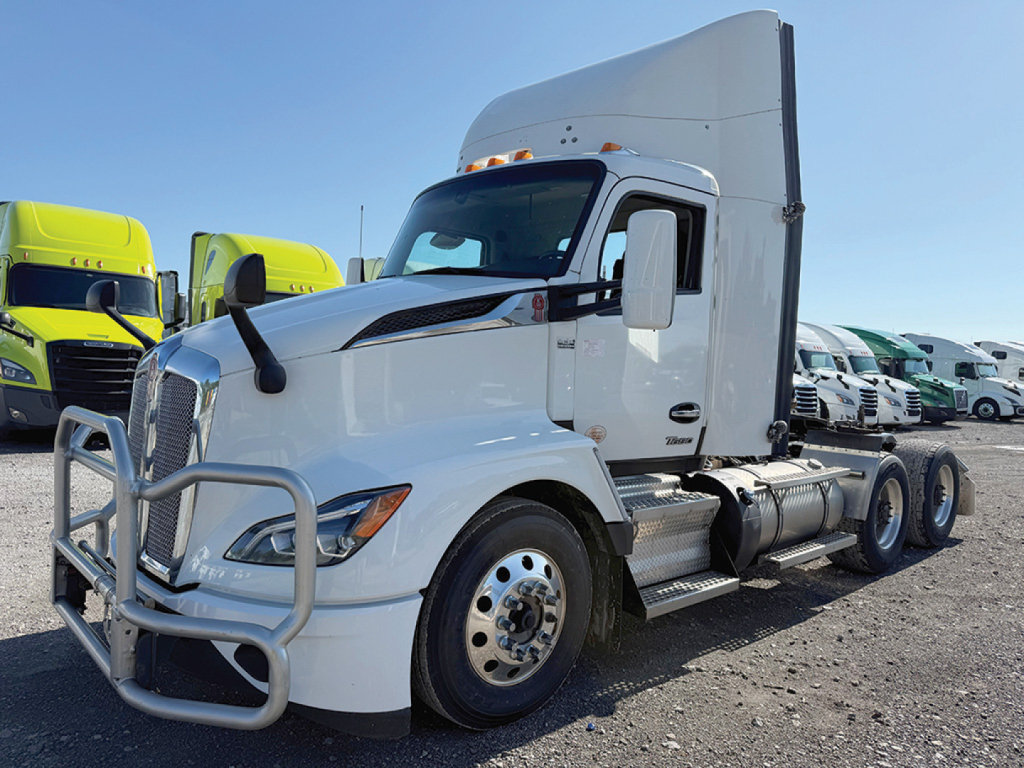
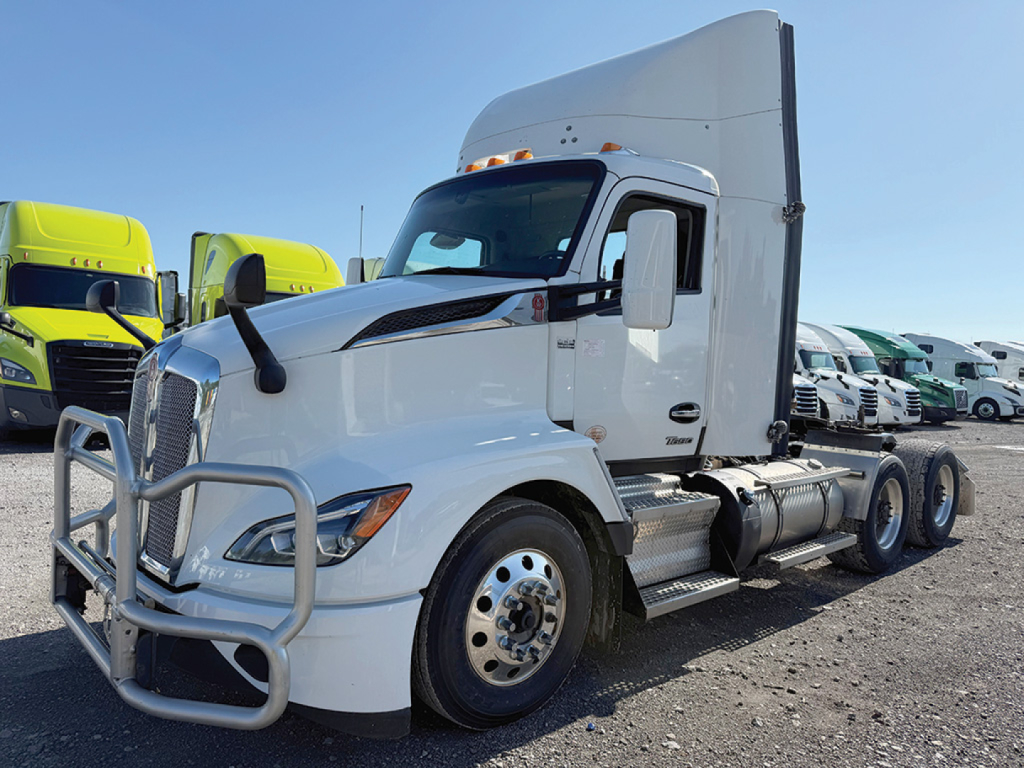
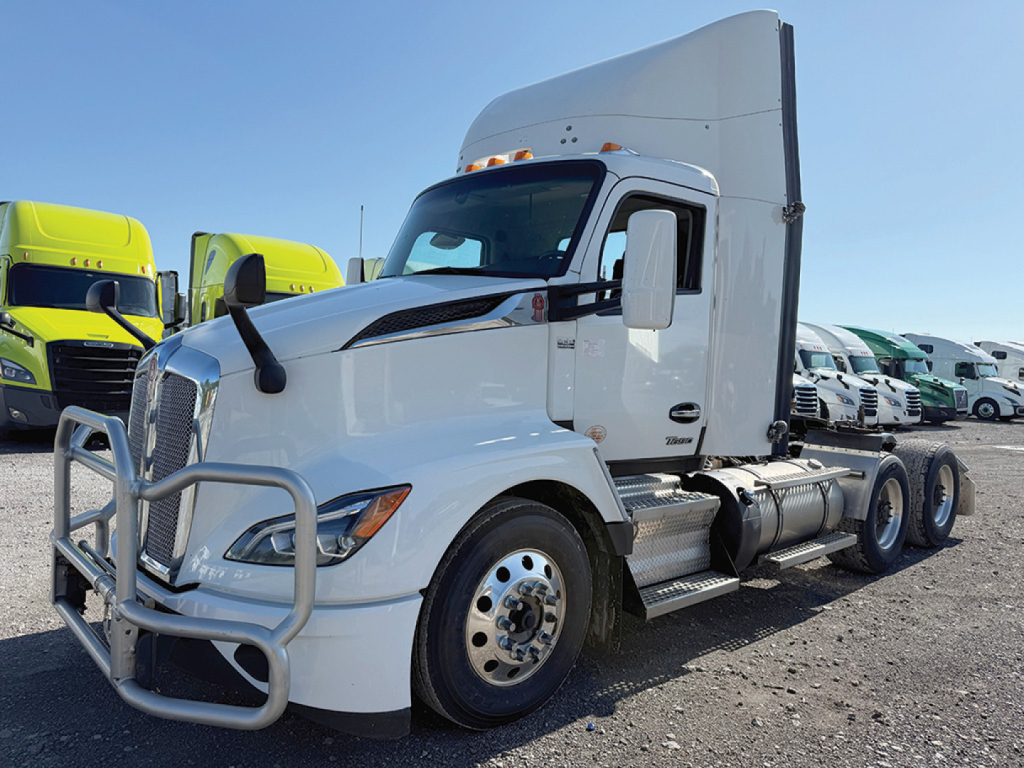
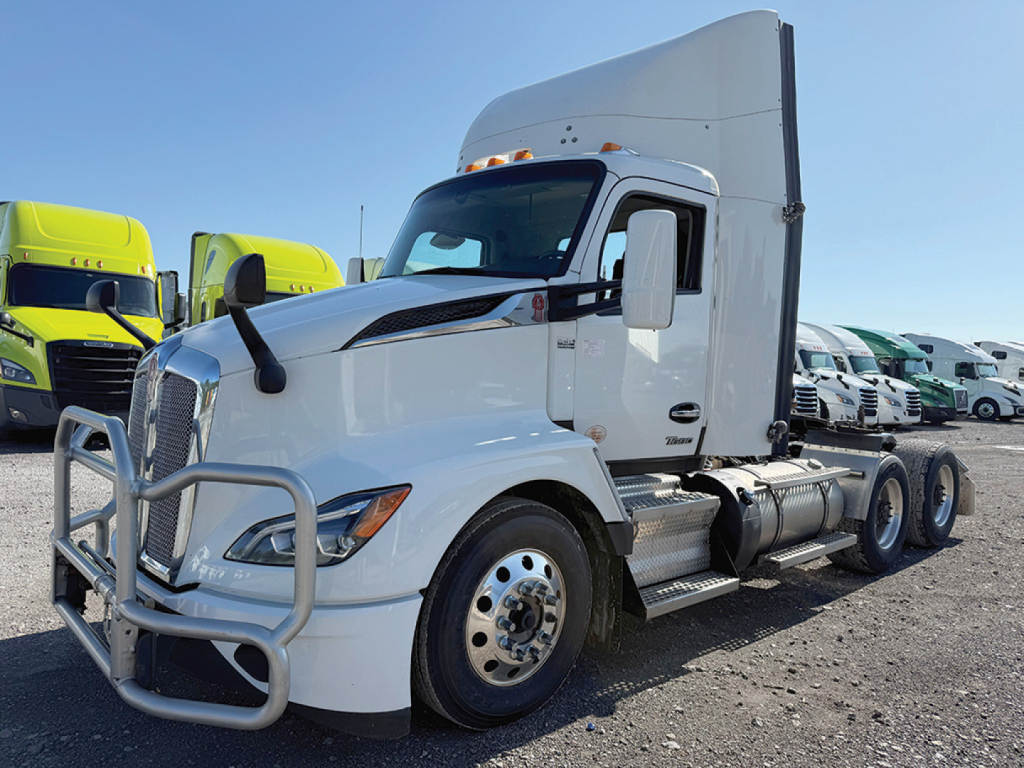
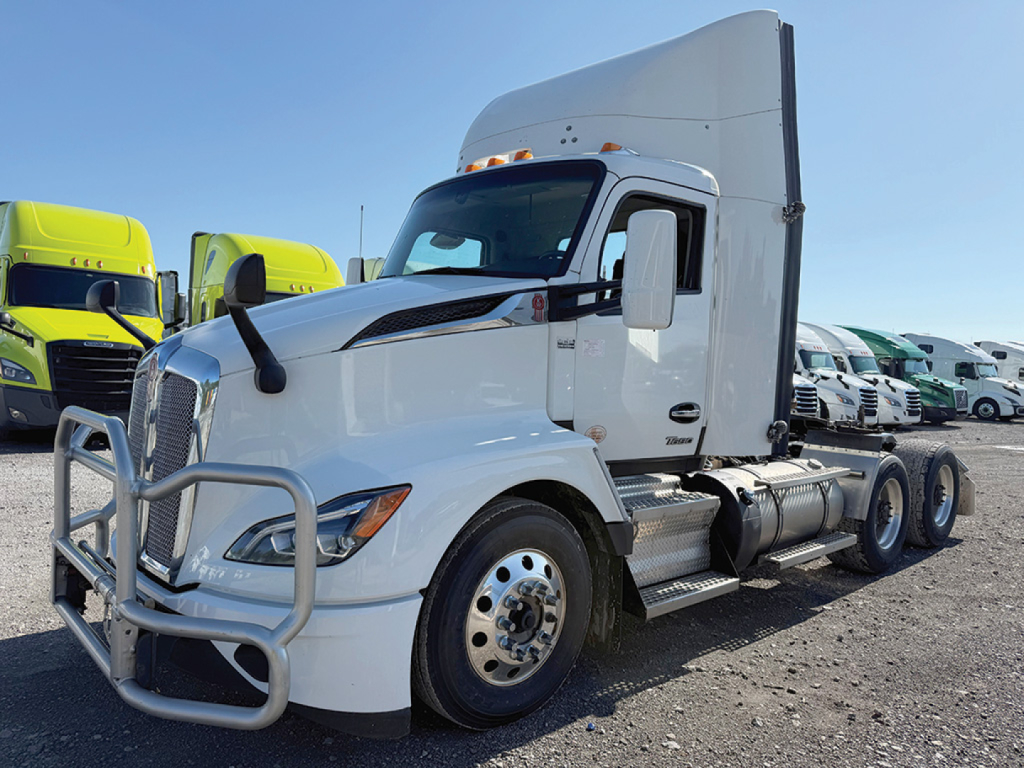
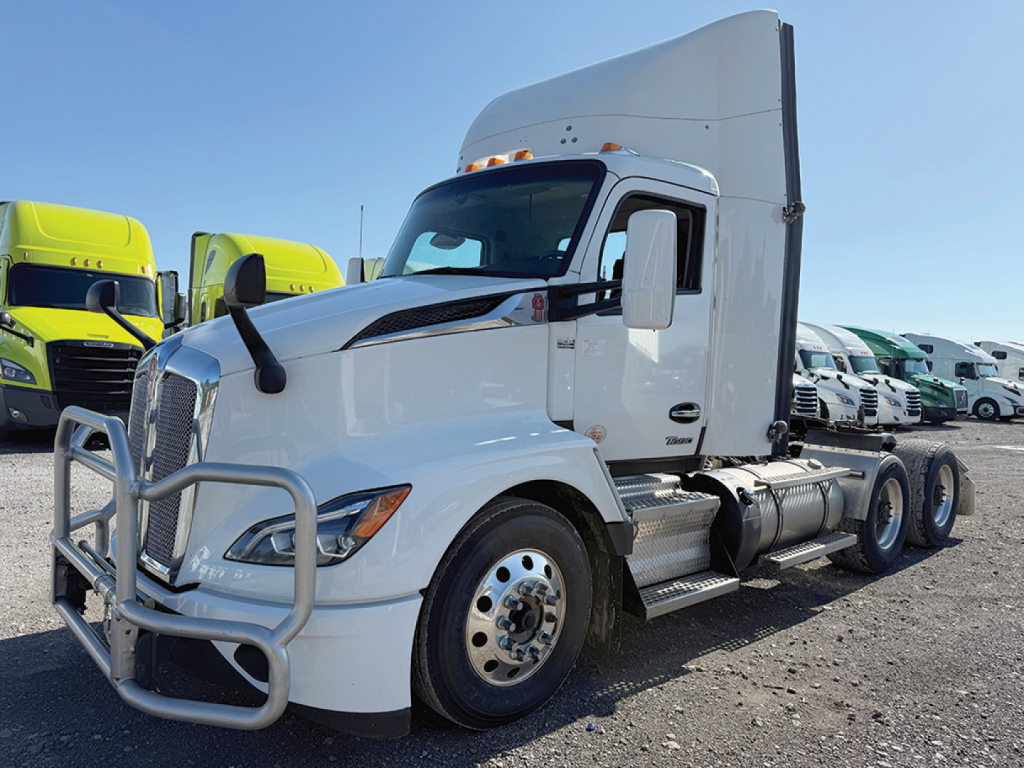
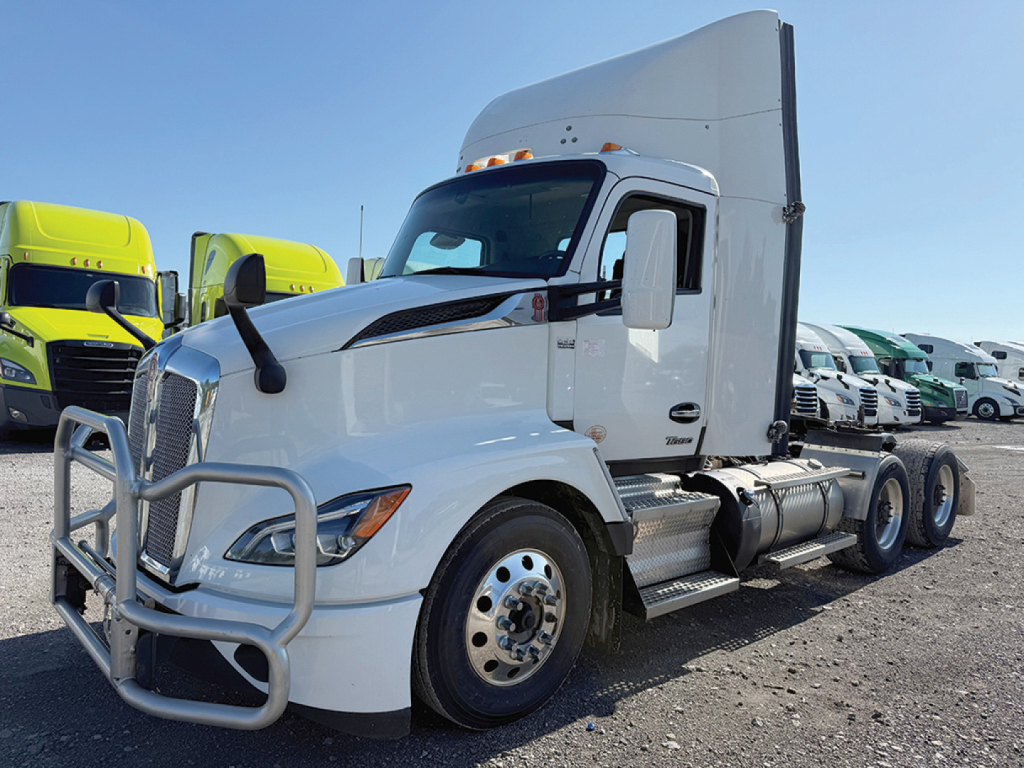
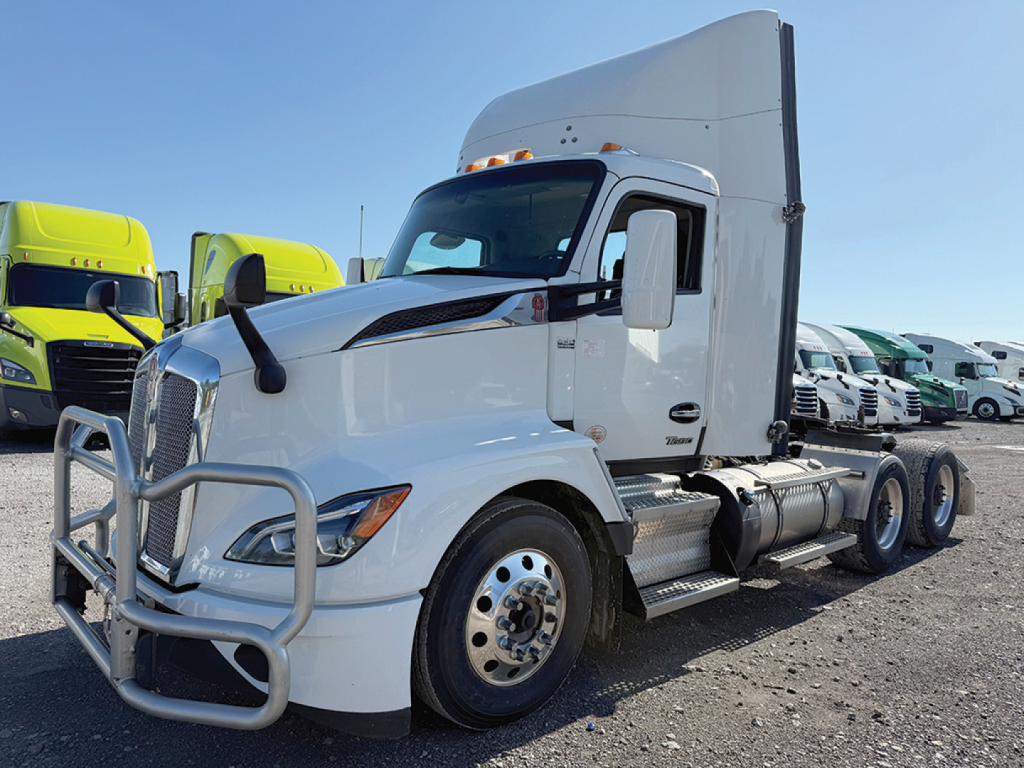
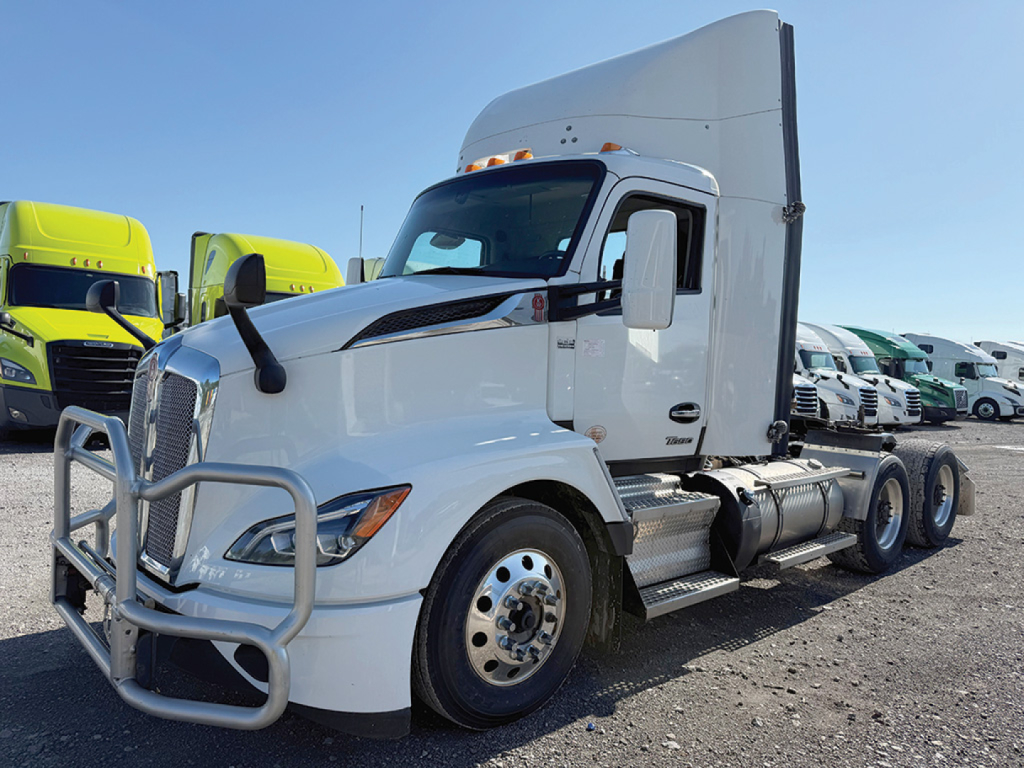
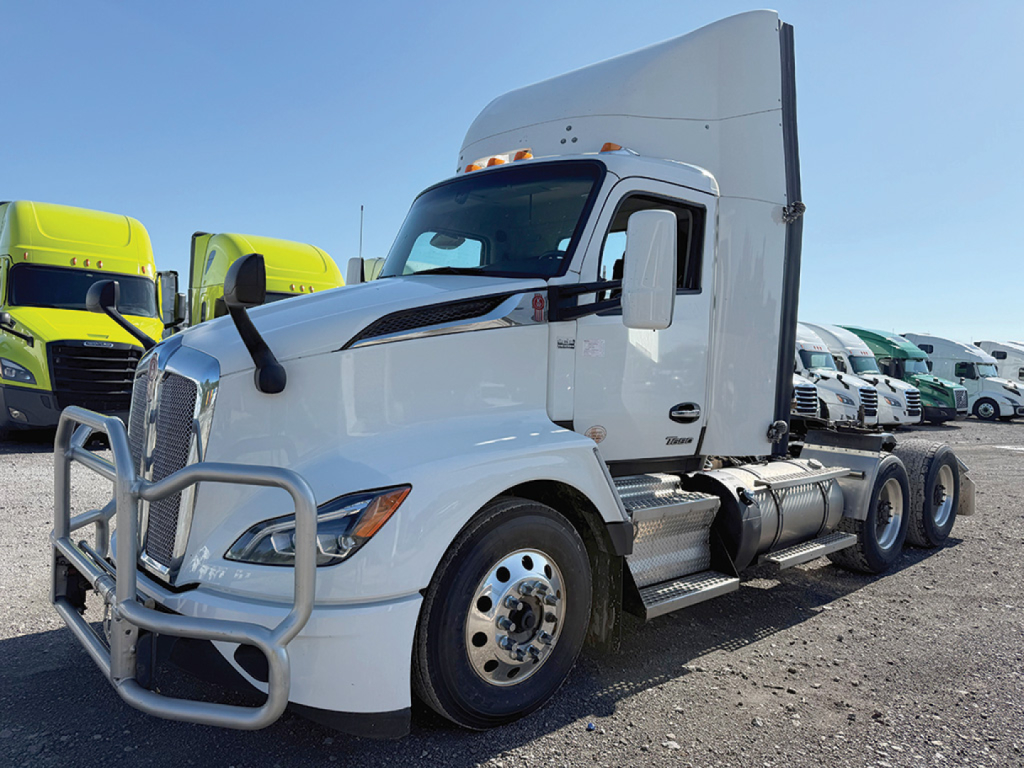
Have 2024 kenworth conventional daycab truck to sell? List it here to reach thousands of buyers.
2024 Kenworth Conventional Daycab Trucks in Illinois
Axle ratio, wheelbase, and fifth wheel setup have a direct effect on how a daycab performs. A 2.64 ratio generally favors fuel mileage and steady highway speeds, while a 2.79 ratio can offer a little more launch feel for heavier starts or mixed-route work. Wheelbases around 178 to 190 inches are common on conventional daycabs and can change turning radius, bridge law flexibility, and trailer gap. An air slide or adjustable fifth wheel adds versatility if the truck may pull different trailer lengths or if kingpin settings vary across a fleet. A 40,000-pound rear axle specification with air ride suspension is a standard vocational and highway-ready setup that suits many regional operations.
Cab and chassis details matter more on a daycab than many buyers expect because drivers spend full shifts in and out of the truck. Features such as a digital dash, tilt and telescoping steering column, cruise control, power windows, air conditioning, and Kenworth's Vantage interior improve daily usability and driver acceptance. Exterior equipment like roof fairings, cab extenders, quarter fenders, deer guards, and aluminum fuel tanks can affect operating cost, durability, and appearance. Tire and wheel choices also deserve attention. Low-profile 22.5 rubber is common for highway use, while super singles on the rear may reduce weight and rolling resistance, depending on the operation's maintenance preferences and road conditions.
For Illinois buyers, a 2024 Kenworth daycab often fits operations running interstates, warehouse corridors, agricultural freight, and terminal-to-terminal routes where maneuverability and lower empty weight are valuable. The key is matching the spec to the lane. A lighter aero highway tractor with horizontal exhaust and fuel-saving gears is a different tool than a daycab intended for constant stop-and-go or heavier trailer sets. When comparing listings, pay close attention to horsepower, transmission model, rear ratio, suspension type, wheelbase, tank configuration, and fifth wheel style. Those details tell you far more about real-world suitability than the model badge alone.
Frequently Asked Questions about 2024 Kenworth Conventional Daycab Trucks in Illinois
What is a Kenworth conventional daycab truck best used for?
A Kenworth conventional daycab is best suited for routes that return the driver home daily and do not require sleeper accommodations. Common applications include regional freight, dedicated contracts, drayage, local bulk hauling, tanker work, LTL support, and terminal shuttles. The daycab layout reduces weight and overall length compared with a sleeper tractor, which can improve maneuverability, payload capacity, and operating efficiency on shorter routes.
What should I look at first on a 2024 Kenworth T680 Next Gen daycab?
Start with the powertrain and chassis spec because those determine how the truck will perform in your lane. Key items include engine model and horsepower, transmission type, rear axle rating, axle ratio, wheelbase, suspension, and fifth wheel configuration. A truck with an MX-11, automated transmission, and a tall rear ratio can be a strong fit for fuel-conscious highway work, while a slightly shorter ratio and different wheelbase may better suit mixed service or heavier starts.
Is a 2.64 or 2.79 rear axle ratio better on a daycab?
Neither ratio is universally better because the right choice depends on speed, terrain, trailer weight, and duty cycle. A 2.64 ratio is commonly chosen for lower cruise RPM and improved fuel economy in regional highway service. A 2.79 ratio can provide stronger acceleration from a stop and may be more comfortable in operations with heavier loads, frequent merging, or more varied terrain. The ratio should always be evaluated with tire size, transmission gearing, and expected road speed.
Why does wheelbase matter on a conventional daycab truck?
Wheelbase affects turning radius, weight distribution, trailer gap, and how the truck fits specific trailer and kingpin combinations. A shorter wheelbase can help in tight yards and urban deliveries, while a longer wheelbase may offer more room for fuel capacity or chassis-mounted equipment. It can also influence bridge compliance and ride characteristics. On a fleet truck that pulls different trailers, wheelbase and fifth wheel travel should be checked together.
Are automated transmissions common in 2024 Kenworth daycabs?
Yes, automated manual transmissions are very common in late-model Kenworth daycabs because they support fuel efficiency, reduce driver fatigue, and simplify fleet standardization. They are especially popular in regional and dedicated service where consistency matters. Buyers should still confirm the exact transmission model, software calibration, and how it is matched to the engine brake and rear ratio, since those details influence drivability, grade handling, and startability.