
Conventional Daycab Trucks For Sale in Iowa
Browse conventional daycab trucks with tandem axles, diesel power, and spec options suited for regional hauling, local delivery, and terminal work.
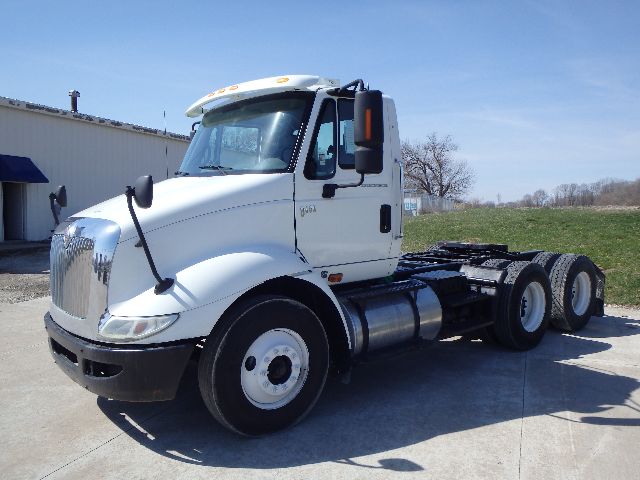
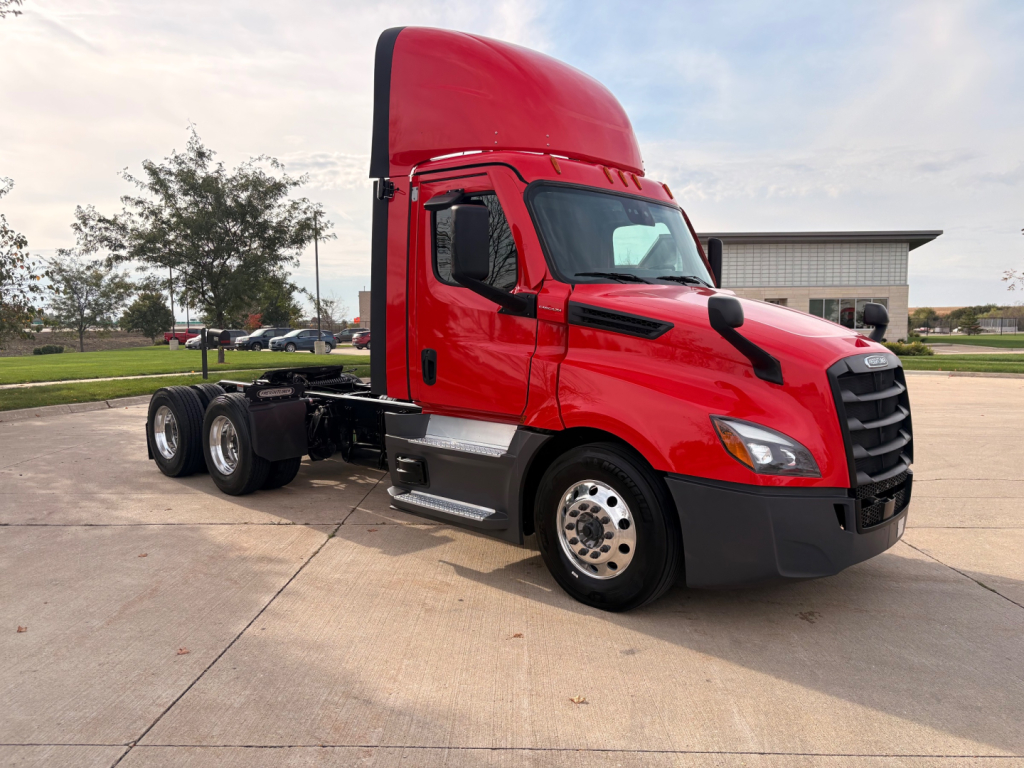
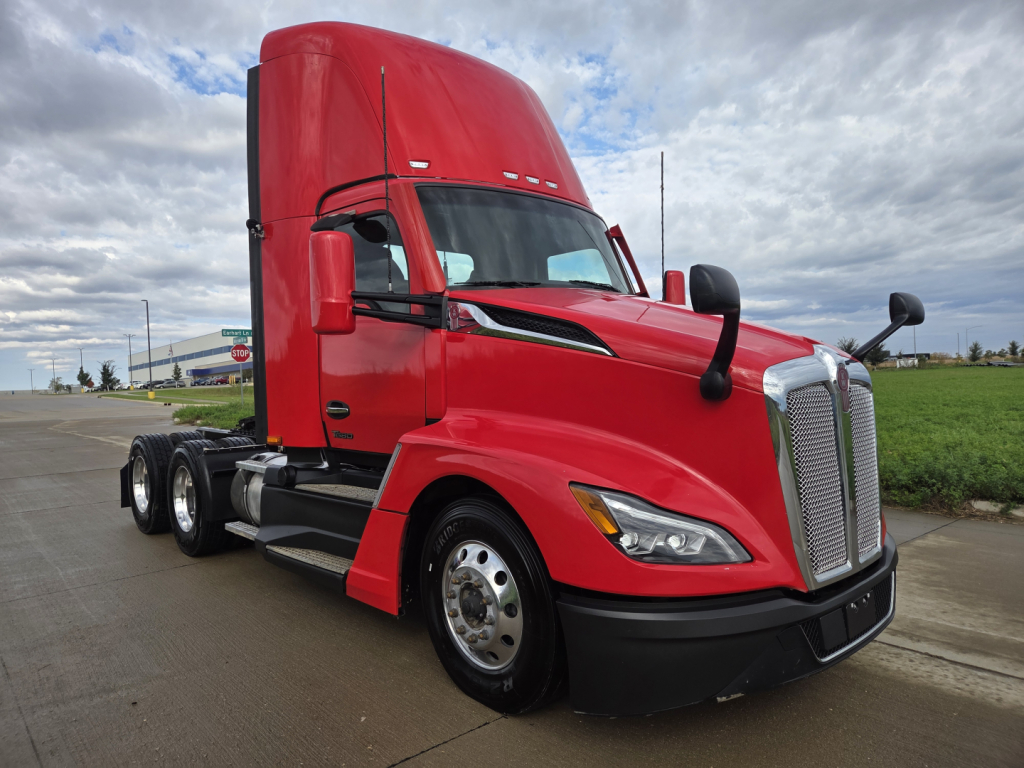
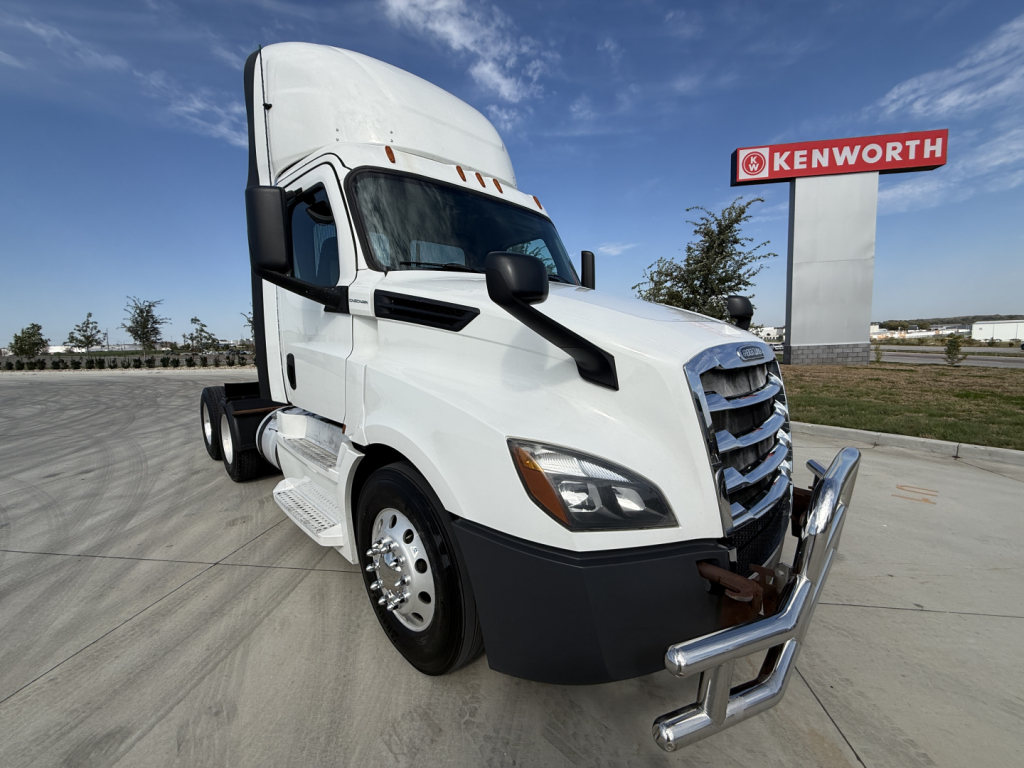
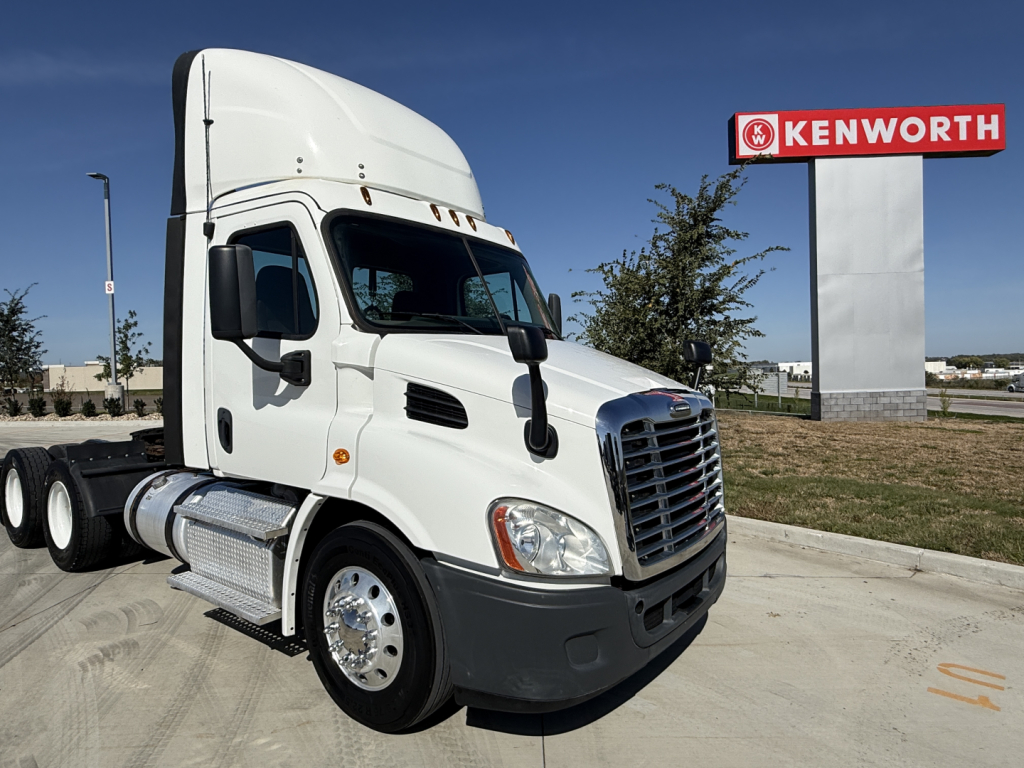
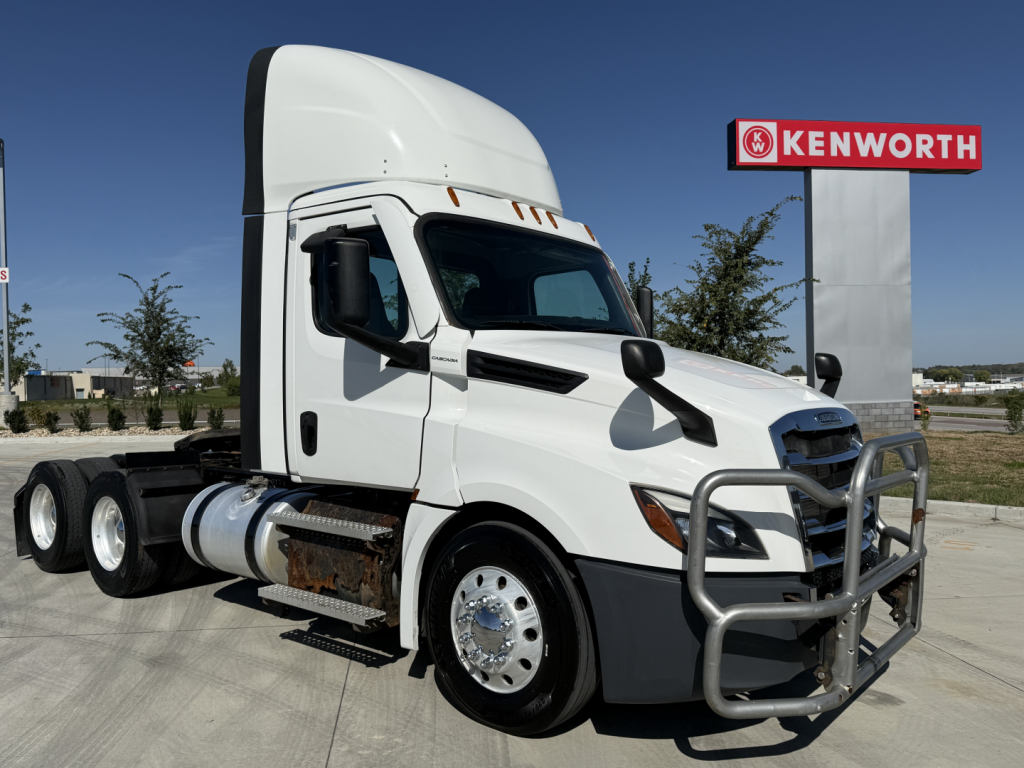
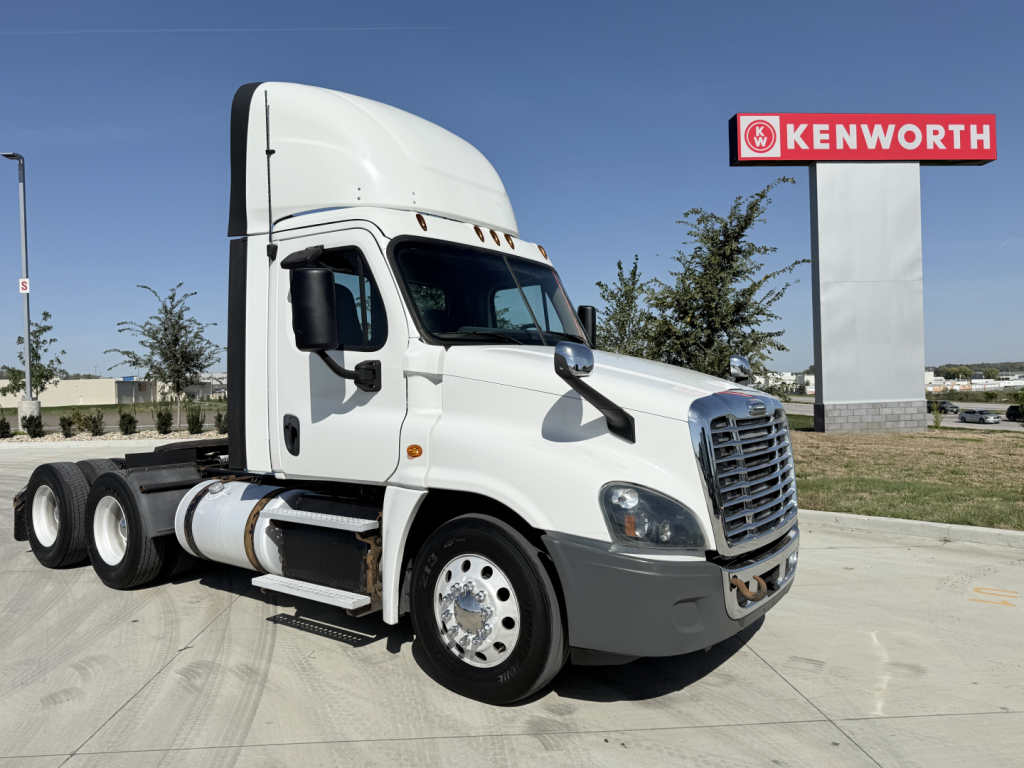
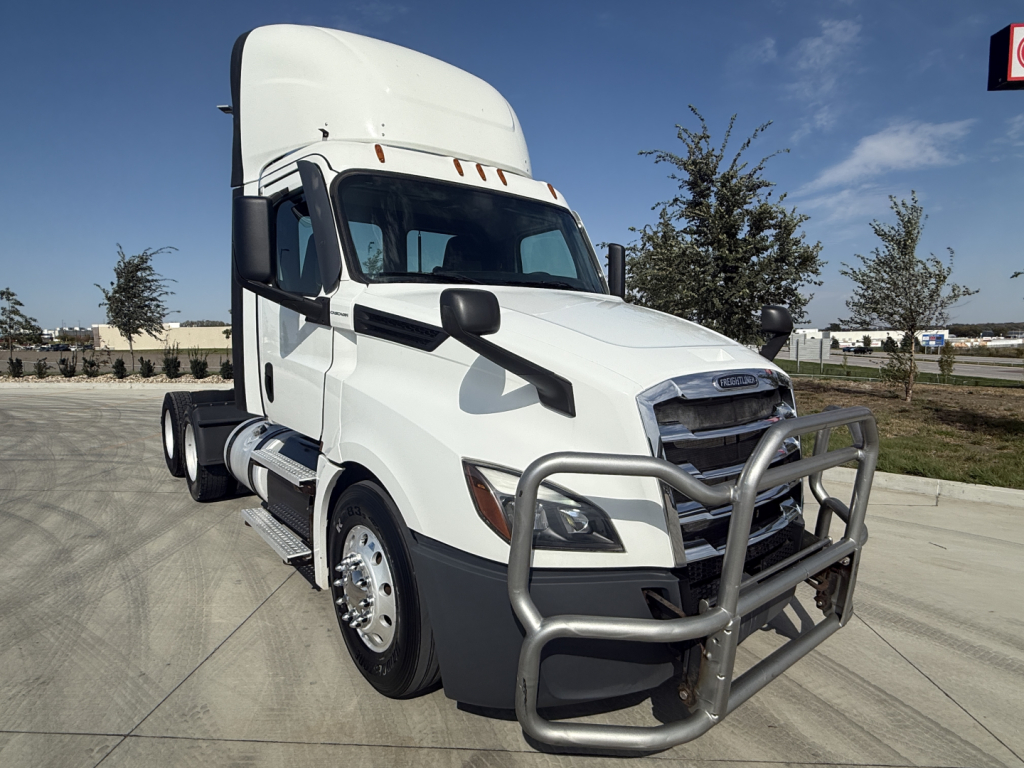
Selling a conventional daycab truck? List your conventional daycab truck for sale and reach thousands of commercial buyers.
Conventional Daycab Trucks in Iowa
The right spec starts with wheelbase, axle layout, and drivetrain. Many conventional daycabs are tandem axle 6x4 tractors with wheelbases in the mid- to upper-100-inch range, paired with 10-speed or automated manual transmissions and rear axle ratios chosen for a balance of startability and road speed. Common engines include diesel platforms from Cummins, Detroit, Paccar, International, and Volvo, often in horsepower ranges suited for 80,000-pound GCWR operation depending on suspension, axle ratings, and intended trailer type. Buyers should pay close attention to front axle rating, rear axle rating, suspension type, fifth wheel style, and whether the truck has air ride cab and air ride suspension, since those details directly affect ride quality, driver comfort, and trailer compatibility.
A buyer comparing listings should look beyond mileage and focus on how the truck was spec'd and maintained. Gear ratio affects fuel economy and launch performance. A shorter wheelbase helps in yards, urban docks, and elevator approaches, while a longer wheelbase can improve ride and weight distribution. Transmission choice matters too. A manual can still make sense in vocational or fleet settings with in-house maintenance, while an automated manual may improve consistency across multiple drivers. Brake condition, tire remaining, current inspection status, and evidence of frame or structural repairs deserve close review on any used daycab. If the truck will pull hopper bottoms, end dumps, flatbeds, or van trailers, confirm fifth wheel height, sliding versus fixed setup, and clearance between tractor and trailer at full turn.
Comfort and uptime still matter in a daycab, even without a sleeper. Features like heated mirrors, telescoping steering, air conditioning, cruise control, air ride seats, and power accessories can make a measurable difference on regional routes with frequent driver entry and exit. Aluminum versus steel wheels, fuel tank capacity, engine brake availability, and tire size also affect operating cost and daily usability. For Iowa fleets and owner-operators, a conventional daycab often comes down to matching the truck to the route profile, commodity, and trailer mix. A properly spec'd conventional daycab can be one of the most efficient and versatile tractor choices for short to mid-range freight.
Frequently Asked Questions about Conventional Daycab Trucks in Iowa
What is a conventional daycab truck used for?
A conventional daycab truck is a highway-style tractor without a sleeper, designed for local and regional hauling where the driver returns home daily. These trucks are commonly used for dry van, reefer, flatbed, hopper, tanker, and dedicated fleet work. They are especially well suited for frequent trailer drops, terminal operations, and routes that require a tighter turning radius than many sleeper tractors.
What should I look for when buying a used conventional daycab?
Focus first on the truck’s intended application. Key items include engine make and horsepower, transmission type, rear axle ratio, wheelbase, axle ratings, suspension, fifth wheel setup, and overall GCWR suitability. Also review service history, brake and tire condition, current inspection status, and any signs of frame damage or major repairs. A daycab that matches your trailer type and route profile will usually outperform a truck chosen only on price or mileage.
Is a tandem axle 6x4 daycab better than a single axle daycab?
A tandem axle 6x4 daycab is generally the better choice for heavier freight, full trailer weights, and broader trailer compatibility. It offers higher rear axle capacity, better traction, and more flexibility for agricultural, construction, and general freight applications. A single axle daycab can be lighter, more fuel efficient, and easier to maneuver, but it is typically better suited for lighter regional loads and specialized operations.
What wheelbase is best for a conventional daycab?
The best wheelbase depends on where and how the truck will operate. Shorter wheelbases are easier to maneuver in tight yards, city docks, and crowded loading areas. Longer wheelbases can improve ride quality, stability, and weight distribution, especially when pulling certain trailer types. Buyers should also confirm kingpin setting and trailer swing clearance so the tractor and trailer work together without interference in full-turn situations.
Are manual transmissions still a good choice in daycab trucks?
Yes, manual transmissions still make sense for many daycab applications, particularly in fleets that value simplicity, lower acquisition cost, and driver preference for direct control. They are common in vocational and agricultural work. Automated manual transmissions are also popular because they can reduce driver fatigue, help with fuel economy consistency, and simplify hiring in multi-driver operations. The better choice depends on route conditions, maintenance support, and who will be behind the wheel.