
International Conventional Daycab Trucks For Sale in Mississippi
Shop International conventional daycab trucks with specs for regional haul, local delivery, yard work, and vocational fleet applications.
Have international conventional daycab truck to sell? List it here to reach thousands of buyers.
International Conventional Daycab Trucks in Mississippi
On the highway tractor side, the International RH613 is a common daycab choice for regional and short-haul applications. Typical specs include the Navistar A26 engine, automated manual transmission, tandem rear axles around 40,000 pounds, and highway-friendly rear ratios such as 3.08 for fuel-conscious operation. Wheelbase, fifth wheel travel, and suspension setup all affect how the truck fits your trailer mix and turning requirements. A sliding fifth wheel is useful if you run different trailer lengths or need flexibility for bridge law and kingpin settings. Air ride suspension, engine brake, disc brakes, and low-profile 22.5 tires are all worth noting because they influence ride quality, stopping performance, and maintenance cost over time.
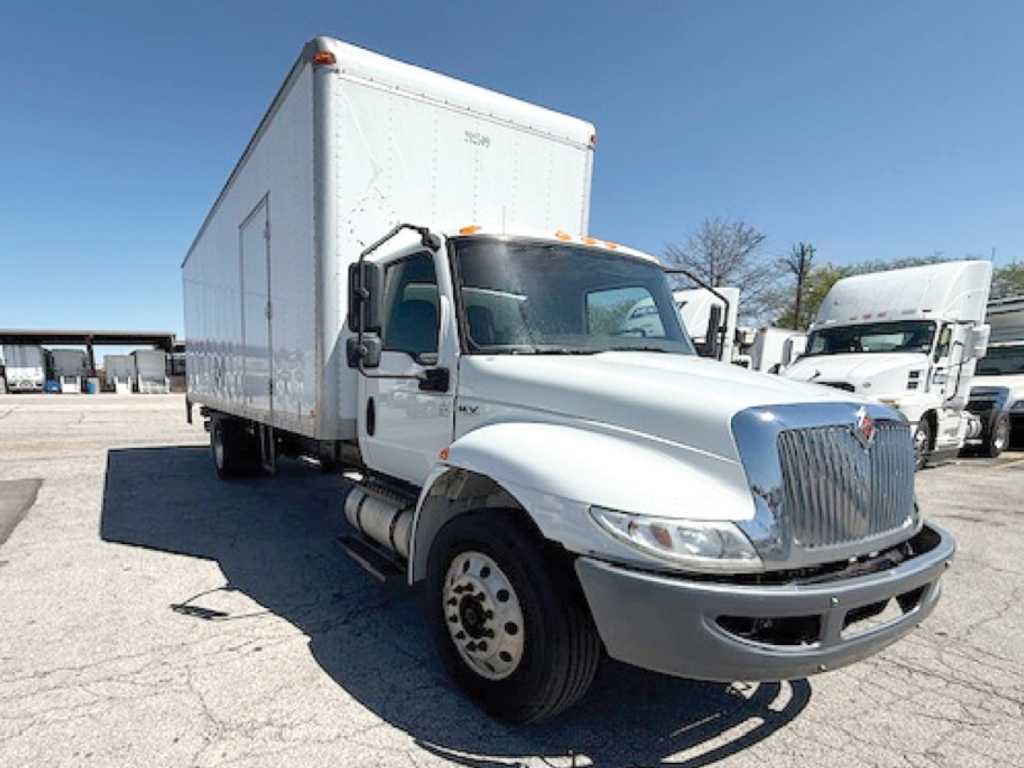
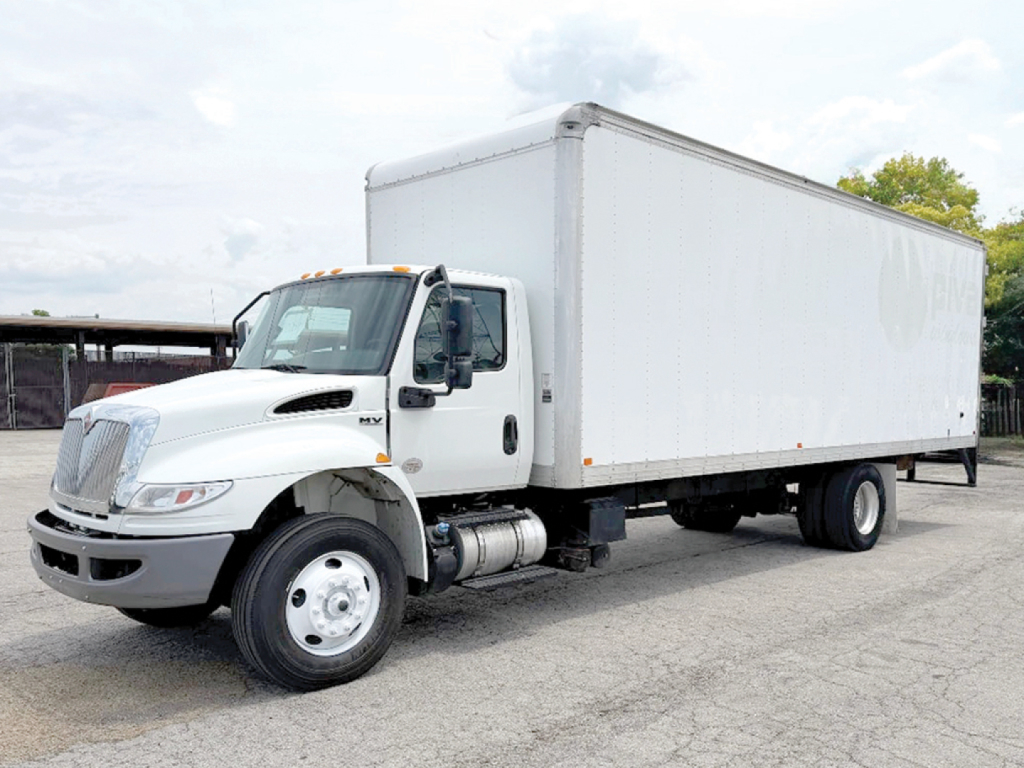
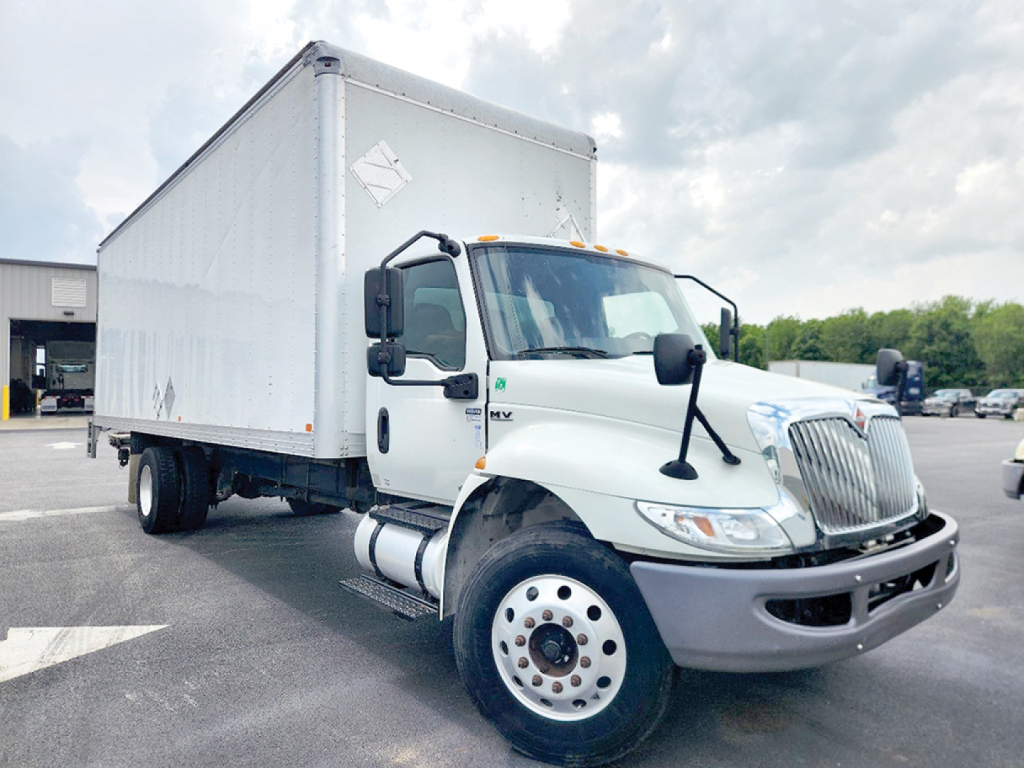
International daycab listings can also include straight truck chassis such as the MV607 or 4300, which are often used for van bodies, beverage routes, local delivery, and vocational upfits. These trucks typically carry Cummins ISB 6.7 power, Allison automatic transmissions, single rear axles in the 19,000 to 21,000 pound range, and shorter horsepower bands suited to city and regional service. If you are comparing a tractor daycab to a straight truck daycab, focus on body length, wheelbase, rear axle ratio, suspension type, and liftgate or cargo control equipment such as E-track and scuff liners. A 26-foot van body with a roll-up door and liftgate is a common setup for route delivery and dock-to-curb freight.
The most important buying decision is matching the truck to the duty cycle. For regional tractor work, look closely at engine rating, transmission type, rear ratio, and cab aerodynamics to balance fuel economy with startability and cruise speed. For local delivery or vocational use, pay more attention to PTO compatibility, axle rating, brake type, wheelbase, and body condition. International conventional daycab trucks are generally straightforward to spec and easy to place into fleet service, but the right truck depends on whether your operation prioritizes tight-city maneuvering, highway miles, payload, or stop-and-go durability.
Frequently Asked Questions about International Conventional Daycab Trucks in Mississippi
What is an International conventional daycab truck best suited for?
An International conventional daycab truck is best suited for operations that do not require overnight accommodations. Common applications include regional hauling, port and rail drayage, local pickup and delivery, municipal service, and vocational work. The daycab layout reduces weight and keeps the truck simpler than a sleeper-equipped tractor, which makes it a practical choice for fleets focused on daytime routes, frequent stops, and easier driver entry and exit.
What is the difference between an International RH613 daycab and an International MV or 4300 daycab?
The RH613 is typically a Class 8 highway tractor designed to pull semi-trailers, usually with tandem drive axles, higher horsepower, and a fifth wheel. The MV and 4300 are more commonly medium-duty or straight-truck platforms used with van bodies, flatbeds, utility bodies, or other upfits. If your operation involves pulling trailers at highway weights, the RH613 is the more appropriate platform. If your work is local delivery or route-based service with a fixed body, the MV or 4300 may be a better fit.
Which specs matter most when buying a used International daycab?
The most important specs depend on the application, but buyers should consistently review engine model, horsepower, transmission type, axle configuration, rear axle ratio, suspension, wheelbase, and brake setup. On tractor daycabs, fifth wheel type and slide travel are important for trailer compatibility and kingpin placement. On straight trucks, body dimensions, liftgate capacity, floor condition, and cargo securement features are just as important as the chassis itself. Service history and emissions system condition also deserve close attention on any late-model diesel truck.
Is an automated or automatic transmission a good choice in an International daycab?
For many fleets, yes. Automated manual and fully automatic transmissions are common in International daycab trucks because they reduce driver fatigue, improve consistency in stop-and-go work, and can help with driver recruiting. They are especially useful in urban delivery, regional haul, and routes with frequent traffic. The right choice still depends on terrain, load profile, and maintenance preference, but for many commercial applications an automatic-style transmission is now the standard spec rather than a compromise.
Are International daycab trucks a good fit for Mississippi and regional Southern routes?
They are a strong fit for Mississippi and surrounding regional lanes because these trucks are commonly used in short-haul and regional applications where heat, humidity, traffic, and mixed road conditions are part of normal service. Buyers in the region often look for air conditioning performance, durable suspension components, corrosion condition, tire wear, and gearing that matches a mix of secondary roads and interstate travel. A properly spec'd International daycab can handle local industrial work, agricultural freight, warehouse distribution, and regional trailer moves efficiently.