
International Conventional Daycab Trucks For Sale in Georgia
Shop International conventional daycab trucks for sale in Georgia. Compare LT625 and similar specs for regional haul, drayage, and local fleet work.
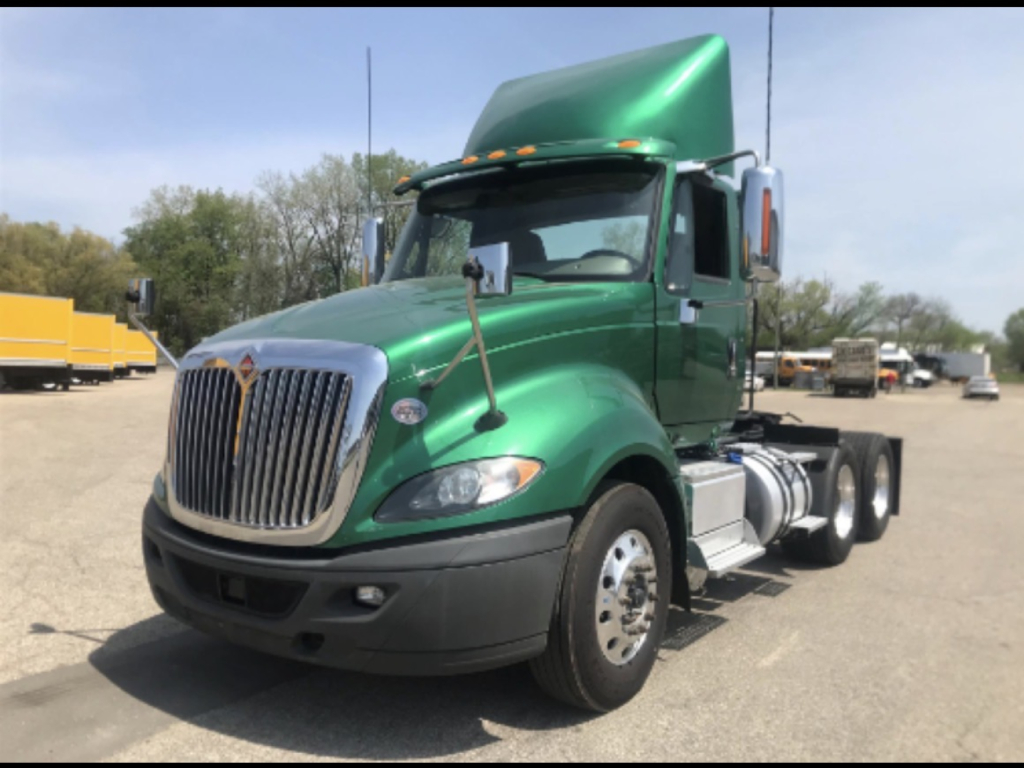
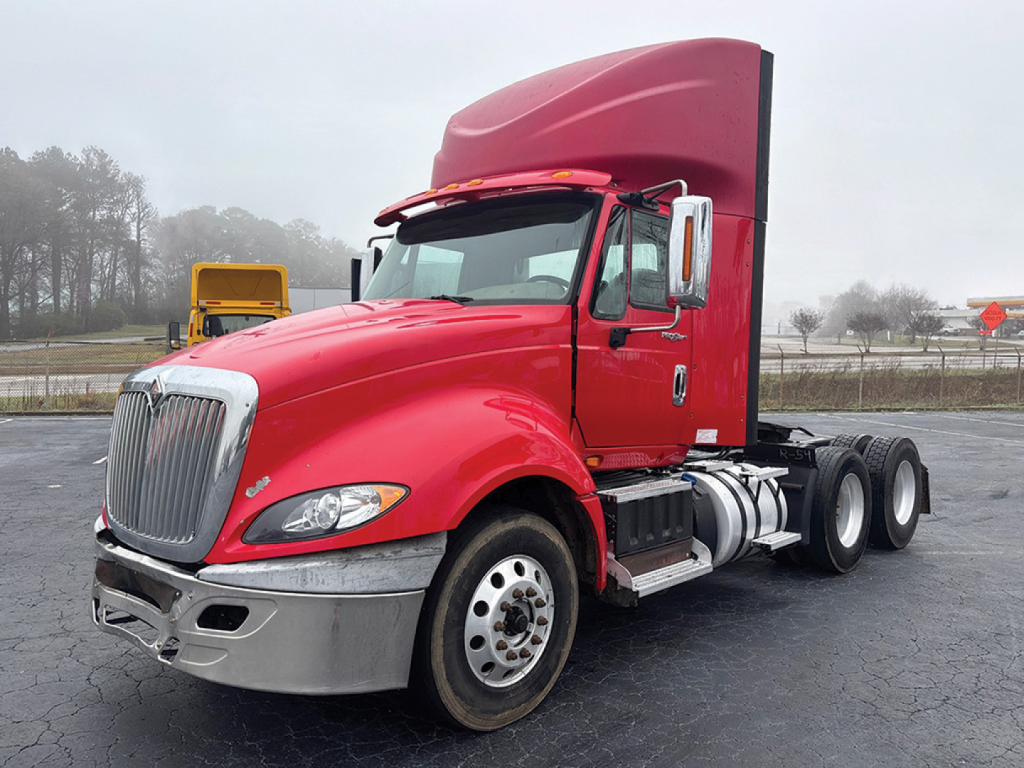

Have international conventional daycab truck to sell? List it here to reach thousands of buyers.
International Conventional Daycab Trucks in Georgia
A typical International daycab tractor in this category may be powered by a Cummins X15 in the 400 to 450 horsepower range, paired with an automated manual transmission such as the Eaton Endurant family. That combination is popular because it delivers strong pulling power, good parts support, and straightforward operation across mixed-driver fleets. Many used specs carry 40,000 lb rears, air ride suspension, engine brake, low-profile 22.5 tires, and aerodynamic packages with roof fairings, side fairings, and cab extenders. A 2.79 rear ratio is a fuel-economy oriented setup that makes sense for higher-speed regional lanes, but buyers running heavy starts, short shuttle routes, or frequent low-speed work may want to compare that against lower gearing and intended gross combination weight.
Cab and chassis details matter more in a daycab than many buyers expect. Air ride suspension helps ride quality and driver retention on local and regional routes. Air slide fifth wheels make trailer position changes easier across mixed trailer lengths and kingpin settings. Aluminum fuel tanks, quarter fenders, horizontal exhaust, tilt and telescoping steering, cruise control, and power windows are common convenience items, while newer trucks may include collision mitigation systems and other active safety features that appeal to larger fleets and insurance-conscious operators. If the truck is assigned to drayage or drop-and-hook work, check turning radius, wheelbase, and fifth wheel travel along with frame condition and suspension wear.
International daycabs can also appear in medium-duty and vocational-adjacent configurations, including straight truck or flatbed setups built on conventional cabs such as the MV Series. That makes application matching especially important. A buyer comparing listings should look past model year and mileage and verify axle configuration, suspension type, PTO needs, body or tractor setup, and emissions system service history. For Georgia operations, cooling system condition, A/C performance, and highway-speed drivability are practical checkpoints. The right International conventional daycab is the one whose drivetrain, axle spec, and cab layout match the route profile, trailer type, and driver turnover you expect over the next several years.
Frequently Asked Questions about International Conventional Daycab Trucks in Georgia
What is the typical use for an International conventional daycab truck?
An International conventional daycab is most often used for regional haul, local freight, drayage, intermodal work, dedicated route service, and day-to-day terminal operations. The non-sleeper cab keeps overall weight down and usually improves maneuverability compared with a sleeper tractor, which makes it a practical choice for operations where the driver returns home daily or the truck stays close to a terminal network.
What specs matter most when buying a used International LT daycab?
The most important specs are engine model and horsepower, transmission type, rear axle rating, rear axle ratio, wheelbase, and suspension. On a used LT daycab, these items determine how well the truck will handle loaded starts, cruise at highway speed, manage fuel economy, and fit your trailer mix. Buyers should also review fifth wheel type, brake configuration, tire size, safety systems, and maintenance records for the emissions system, cooling system, and transmission.
Is a 2.79 rear ratio good for an International daycab?
A 2.79 ratio is generally a highway-friendly ratio intended to keep engine rpm down at road speed, which can support fuel economy on regional lanes. It is often a good fit for fleets pulling van or reefer trailers on longer daily runs. It may be less ideal for operations with very heavy loads, steep grades, frequent stop-and-go starts, or low-speed yard work where more aggressive gearing can improve launch performance and drivability.
What engine and transmission are common in International daycab tractors?
A common Class 8 setup is the Cummins X15 paired with an automated manual transmission, often in the 400 to 450 horsepower range. This combination is widely used because it offers strong torque, broad service support, and consistent operation across multiple drivers. In lighter conventional applications such as straight trucks, buyers may also see engines like the Cummins ISB with Allison automatic transmissions, especially where PTO use, city driving, or body equipment integration is important.
Are International conventional daycabs a good choice for Georgia fleets?
They can be a strong fit for Georgia fleets because the platform works well across Atlanta regional freight, port-related moves, and local distribution routes. The best choice depends on route density, trailer weight, and how much interstate driving the truck will see. For Georgia use, buyers should pay close attention to cooling system health, air conditioning performance, emissions service history, and gearing that matches both metro traffic and sustained highway operation.