
2019 Freightliner Conventional Daycab Trucks For Sale in Texas
Shop 2019 Freightliner conventional daycab trucks in Texas. Compare Cascadia specs, DD13 and DD15 engines, wheelbases, ratios, and options.
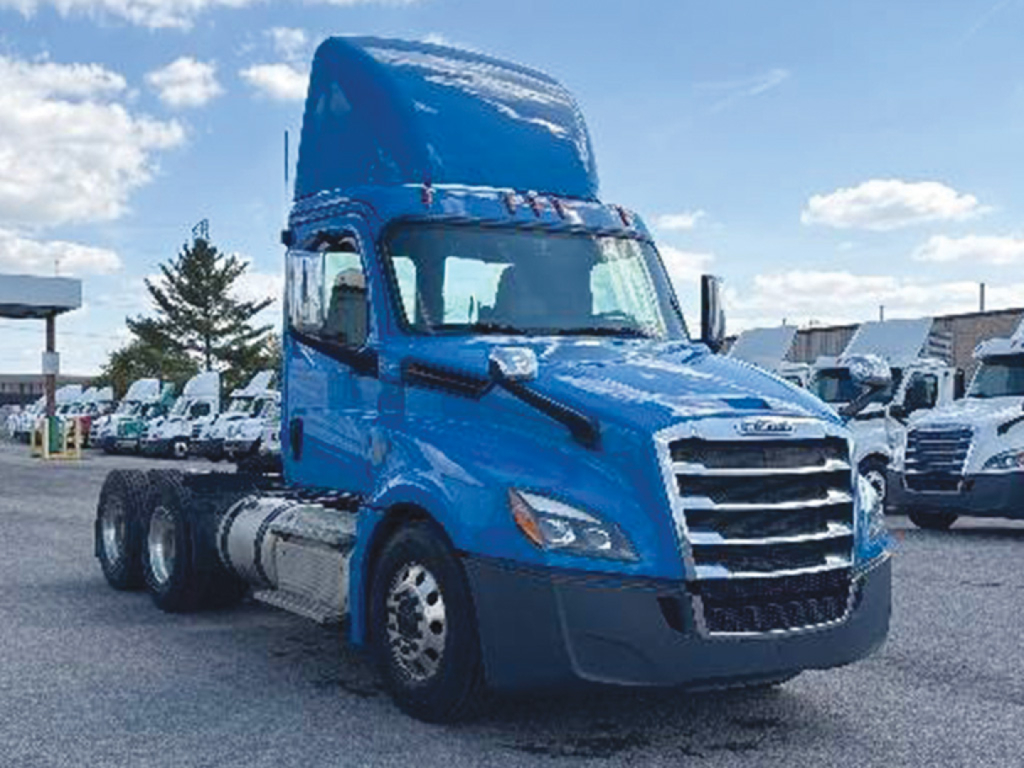
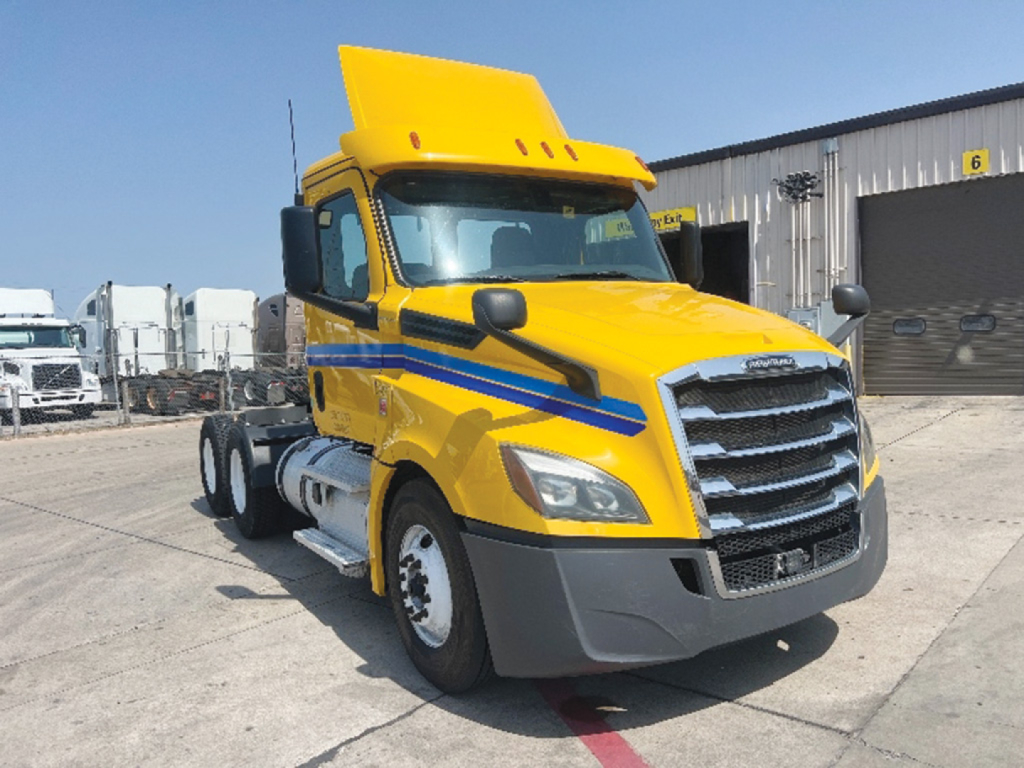
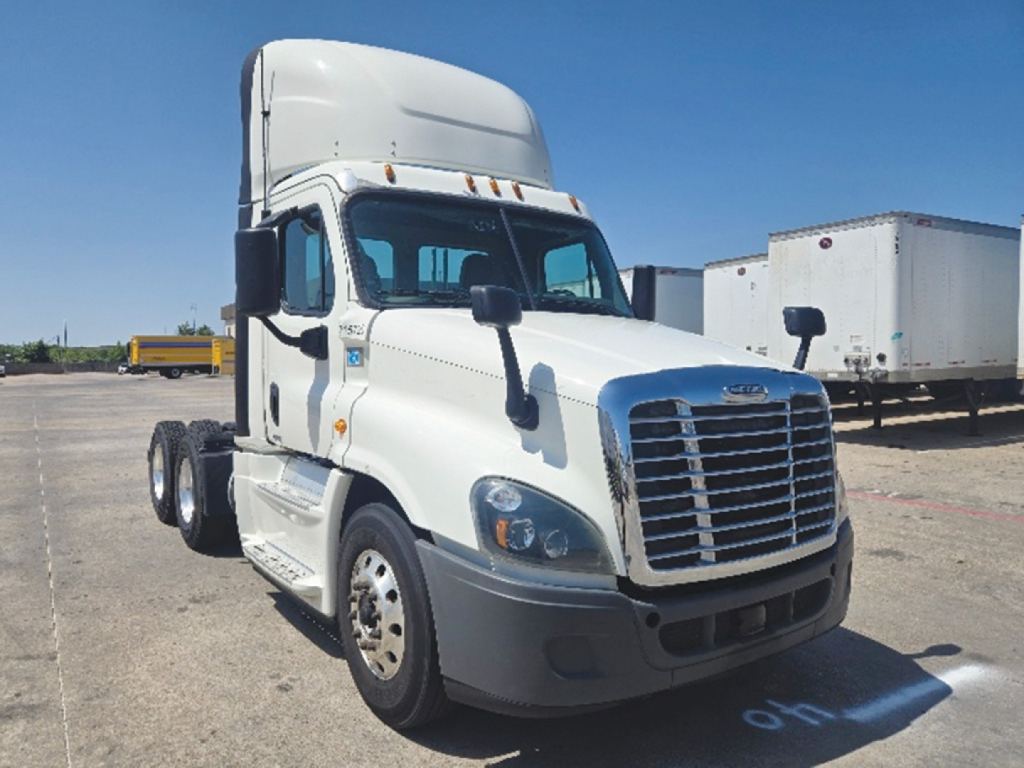
Have 2019 freightliner conventional daycab truck to sell? List it here to reach thousands of buyers.
2019 Freightliner Conventional Daycab Trucks in Texas
The key buying decisions usually come down to wheelbase, rear axle ratio, and intended trailer set. Many 2019 Freightliner daycabs in this class carry tandem 40,000 lb rears, air ride suspension, and an air slide fifth wheel, which makes them flexible for van, reefer, and some flatbed or bulk trailer work. Shorter wheelbases around the low-170-inch range are easier to maneuver in urban Texas markets and terminal environments, while 178-inch and similar wheelbases can offer a more stable ride with common highway trailer combinations. Rear axle ratios such as 3.08, 3.23, and 3.42 each point to a different job focus. A lower numerical ratio generally favors highway fuel economy, while a higher ratio can help in stop-and-go hauling, heavier starts, or more demanding regional terrain.
For Texas buyers, heat management, driver comfort, and uptime features deserve close attention. Air conditioning, power windows, tilt and telescoping steering, cruise control, and a well-kept interior matter on trucks that spend full days in dense traffic and long regional runs. Disc brakes are common on newer Freightliner daycabs and can be a plus for stopping performance and service consistency. Collision mitigation systems also appear on some 2019 specs and may be important for fleets managing insurance requirements and driver safety programs. Exterior equipment like roof fairings, cab extenders, quarter fenders, and horizontal exhaust can also indicate whether a truck was set up for aerodynamic highway service or more mixed vocational use.
A used 2019 Freightliner conventional daycab is often attractive because it sits in a modern emissions and safety era without the price of a late-model replacement cycle truck. Buyers should still verify engine hours, idle time, maintenance history, aftertreatment service records, transmission calibration history, and the condition of wear items such as bushings, brakes, tires, and the fifth wheel assembly. On a daycab, spec discipline matters more than appearance. Matching the DD13 or DD15, transmission type, axle ratio, and wheelbase to the actual route and trailer profile will have a bigger impact on operating cost than any cosmetic option package.
Frequently Asked Questions about 2019 Freightliner Conventional Daycab Trucks in Texas
What engines are common in a 2019 Freightliner conventional daycab?
The most common engines in a 2019 Freightliner conventional daycab are the Detroit DD13 and Detroit DD15. The DD13 is often chosen for regional and weight-sensitive operations where fuel economy and lower tare weight matter. The DD15 is more common in higher horsepower daycab specs and is a strong fit for heavier trailer sets, sustained highway use, and fleets that want more torque in reserve.
Is a 2019 Freightliner daycab better with a DT12 automatic or a manual transmission?
For most fleet and regional applications, the DT12 automated manual is the more common choice because it improves driver consistency, reduces shifting fatigue, and can support fuel economy targets. A manual transmission may still appeal to buyers who prefer direct control, operate in specialized applications, or maintain a shop familiar with those drivetrains. The right choice depends on driver pool, route conditions, maintenance capability, and resale preference in your market.
What rear axle ratio should I look for in a Freightliner daycab?
Rear axle ratio should match the job, not just the engine rating. Ratios like 3.08 or 3.23 are often selected for highway-oriented regional hauling because they help keep engine rpm down at cruising speed. A ratio like 3.42 can be better for frequent starts, heavier loads, tighter route work, or applications where low-speed pulling power matters more than top-end fuel economy. Always consider tire size, transmission gearing, and average gross combination weight along with the ratio.
What is a typical use case for a conventional daycab in Texas?
In Texas, conventional daycab trucks are commonly used for regional dry van and reefer lanes, container drayage, local distribution, industrial freight, and dedicated customer routes that return the driver home daily. The daycab layout keeps overall weight down and simplifies cab access while still providing the wheelbase, axle capacity, and fifth wheel setup needed for standard semi-trailer work. Buyers in Texas often prioritize cooling performance, maneuverability, and drivetrain specs suited to long highway stretches mixed with urban congestion.
What should I inspect first on a used 2019 Freightliner daycab?
Start with maintenance history and drivetrain condition. Confirm engine service intervals, fault code history, aftertreatment repairs, transmission operation, clutch actuation on automated manuals, and any signs of excessive idle hours. Then inspect the suspension, steering components, brake system, tires, frame, and fifth wheel for wear or evidence of hard service. A clean interior and straight body panels are useful indicators, but the most important factors are emissions system health, driveline spec, and whether the truck matches the hauling application.