
2015 Freightliner Conventional Daycab Trucks For Sale
Shop 2015 Freightliner conventional daycab trucks. Compare Cascadia specs, DD13 engines, wheelbases, axles, transmissions, and fleet features.
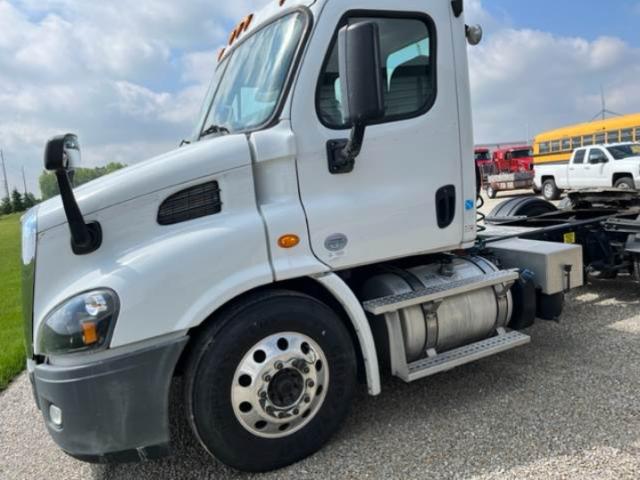
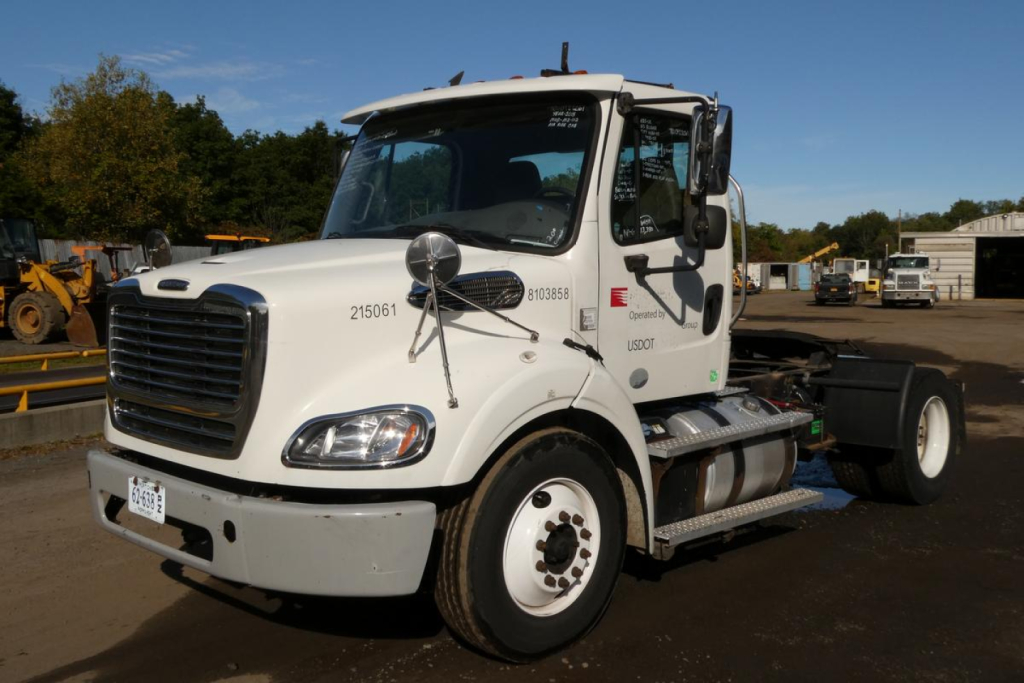
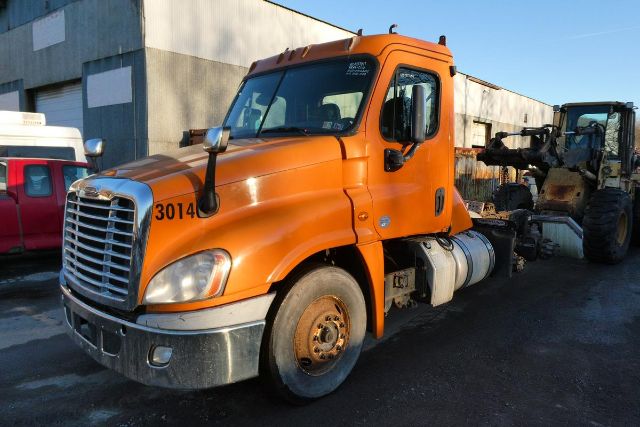
Selling a 2015 freightliner conventional daycab truck? List your 2015 freightliner conventional daycab truck for sale and reach thousands of commercial buyers.
2015 Freightliner Conventional Daycab Trucks
The key spec decisions start with engine, transmission, axle rating, and wheelbase. Many Freightliner daycabs from this era were ordered with Detroit DD13 engines in the 12.8L range, often rated around 450 to 470 horsepower, paired with either a Detroit DT12 automated manual or an Eaton Fuller UltraShift. That combination fits fleets looking for fuel economy and easier driver onboarding, especially in stop-and-go regional service. Front axles are commonly in the 12,000 to 12,500 lb range, with 40,000 lb rears from Meritor and ratios such as 3.08 balancing cruise rpm against startability. Wheelbases often fall in the 170 to 185 inch range, which matters for bridge law, trailer swing clearance, and how the truck tracks in crowded yards.
Buyers should pay close attention to the fifth wheel setup, suspension, brake type, and emissions system condition. Air slide fifth wheels add flexibility if the truck will pull different trailer lengths or needs kingpin adjustment for axle compliance. Freightliner daycabs in this class are often spec'd with Airliner air-ride suspension, and some later builds may include air disc brakes, differential lock, suspension dump valves, collision mitigation, or lane departure systems. Since 2015 units are emissions-era trucks, DEF system performance, aftertreatment history, and fault code activity deserve a careful review alongside engine hours, idle time, and maintenance records. On higher-mileage trucks, cab components, steering systems, automated transmission calibration, and SAM or body control electronics are all worth inspecting because small electrical issues can create downtime that is disproportionate to the repair cost.
A good 2015 Freightliner conventional daycab should match the route more than the badge on the hood. For heavier regional freight, look at rear ratio, transmission gearing, and GCWR suitability instead of horsepower alone. For city and short-haul work, visibility, turning radius, brake spec, and cab ergonomics may matter more than top-end speed. Tire size, wheel type, frame layout, and cab-to-axle dimension also affect upfit potential for wet kits, PTO-driven applications, or specialized trailer combinations. Buyers comparing used Freightliner daycabs should weigh mileage against ECM hours, confirm maintenance consistency, and make sure the truck's original fleet spec aligns with the work it will do now.
Frequently Asked Questions about 2015 Freightliner Conventional Daycab Trucks
What is a 2015 Freightliner conventional daycab best suited for?
A 2015 Freightliner conventional daycab is best suited for regional and local applications where drivers return to base daily. Common uses include dry van, reefer, container drayage, tanker, bulk haul, and dedicated route work. The daycab configuration reduces overall vehicle length and weight compared with a sleeper tractor, which can improve maneuverability, payload, and yard efficiency.
What engines and transmissions are common in 2015 Freightliner daycabs?
Many 2015 Freightliner conventional daycabs were spec'd with Detroit engines, especially the DD13, often paired with Detroit DT12 automated manual transmissions or Eaton Fuller automated options. These combinations were popular for fuel economy, standardized fleet operation, and reduced driver fatigue. Exact horsepower, torque, and gearing vary by original application, so buyers should match the spec to expected trailer weight and terrain.
What axle and suspension specs should buyers look for?
A common setup in this category is a 12,000 to 12,500 lb front axle with 40,000 lb tandem rears, often on Freightliner Airliner air-ride suspension. Buyers should confirm rear axle model, ratio, and whether the truck has a power divider or differential lock. These details affect startability, traction, highway rpm, and how well the truck handles heavy regional freight, uneven job sites, or frequent dock work.
What should I inspect on a used 2015 Freightliner daycab before buying?
Focus on engine hours, maintenance records, aftertreatment service history, transmission operation, suspension wear, brake condition, and electronic fault activity. On a 2015 emissions truck, DEF and DPF performance are critical because aftertreatment repairs can be expensive. Buyers should also compare odometer miles to ECM data, inspect the fifth wheel and frame for wear or modifications, and verify that any driver-assist or body control systems function correctly.
Why does wheelbase matter on a Freightliner conventional daycab?
Wheelbase affects maneuverability, trailer clearance, ride quality, and axle loading. Shorter wheelbases are often preferred for city work, tight yards, and frequent backing. Longer wheelbases can improve ride and stability, and they may better suit certain trailer combinations or frame-mounted equipment. Cab-to-axle and fifth wheel position should also be reviewed because they influence kingpin placement and legal axle spacing.