
Ford Conventional Daycab Trucks For Sale
Shop Ford conventional daycab trucks including F-650 models built for local hauling, delivery, vocational work, and body-upfit flexibility.
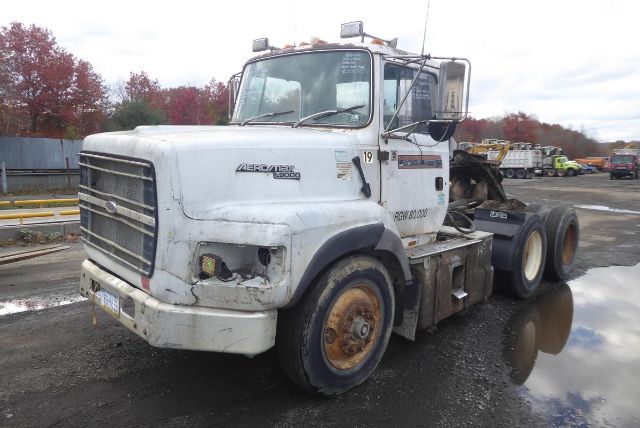
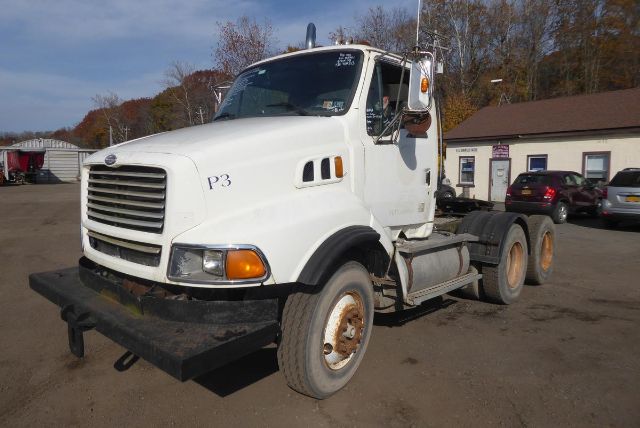
Selling a ford conventional daycab truck? List your ford conventional daycab truck for sale and reach thousands of commercial buyers.
Ford Conventional Daycab Trucks
The first buying decision is usually application and GVWR. Ford conventional daycabs can be spec'd for delivery routes, moving operations, beverage service, landscape supply, equipment hauling, and general vocational service. Common considerations include front axle rating, rear axle capacity, wheelbase, cab-to-axle measurement, and frame strength for the body you intend to run. Many buyers also focus on transmission choice, rear axle ratio, and tire size because these directly affect launch performance, cruising RPM, and payload efficiency. On straight truck setups, wheelbase and body length need to match your route profile, dock access, and bridge law requirements.
Powertrain options vary by model year and configuration, but Ford daycab trucks are commonly found with gasoline or alternative-fuel engines in medium-duty service, along with automatic transmissions that simplify urban stop-and-go driving. The sample F-650 configuration points to a CNG-capable gas engine, automatic transmission, and a 24-foot van body with liftgate, which is a practical setup for metro delivery and fleet work. Buyers comparing units should look closely at fuel type, horsepower, torque curve, and service support in their region. CNG can lower fuel cost in the right market, but only if fueling access and maintenance familiarity are already in place. Suspension type, brake spec, steering feel, and turning radius also matter on tight city routes where driver fatigue and curb-to-curb maneuvering affect productivity every day.
Cab equipment is usually straightforward but important. Air conditioning, cruise control, power windows, tilt and telescoping steering, and good visibility all help on high-frequency route work. On body-equipped trucks, pay attention to the upfit as much as the chassis. Van bodies should be checked for floor condition, scuff liners, E-track, roll-up door operation, threshold wear, and liftgate capacity. Flatbeds and stake bodies should be evaluated for deck condition, tie-down points, rub rail design, and hoist or PTO integration if applicable. A Ford conventional daycab is best judged as a complete working package, with the cab, chassis, axle ratings, and body spec all matched to the job it is expected to do.
Frequently Asked Questions about Ford Conventional Daycab Trucks
What is a Ford conventional daycab truck best suited for?
A Ford conventional daycab truck is best suited for local and regional operations that do not require overnight accommodations. Common uses include final-mile delivery, moving and storage, beverage distribution, municipal service, landscaping, utility work, and body-upfit applications such as van bodies, flatbeds, and stake beds. The daycab design improves maneuverability and keeps more chassis length available for the body or equipment mounted behind the cab.
What should I check first when comparing Ford F-650 daycab trucks?
Start with the truck's intended application, then verify GVWR, front and rear axle ratings, wheelbase, cab-to-axle dimension, and body compatibility. After that, review the engine and transmission combination, fuel type, brake setup, suspension, and tire size. If the truck already has a body installed, inspect the condition and specification of the upfit because cargo body design, liftgate rating, and frame layout often matter as much as the chassis itself.
Are CNG Ford daycab trucks a good choice for fleet use?
A CNG Ford daycab truck can be a strong fleet choice when the operating area has dependable fueling infrastructure and technicians familiar with alternative-fuel systems. These trucks are often attractive for fixed routes, municipal work, and metro delivery where fuel access is predictable. The main advantage is potential fuel-cost control and emissions benefits, but the value depends on local support, station availability, and whether the truck's duty cycle fits the fuel system.
How does wheelbase affect a Ford conventional daycab truck?
Wheelbase affects turning radius, ride quality, body length options, bridge compliance, and how the truck handles in tight delivery environments. A shorter wheelbase is easier to maneuver in urban service, while a longer wheelbase can better support larger van bodies, flatbeds, or specialized equipment. Buyers should match wheelbase to both the body length and the route environment rather than choosing solely for maximum cargo space.
Is a Ford conventional daycab the same as a straight truck?
Not always. A conventional daycab refers to the cab style and chassis layout, while a straight truck refers to a truck with the cargo body permanently mounted on the same chassis. Many Ford conventional daycabs are configured as straight trucks with van bodies, flatbeds, or service bodies, but the key point is that the daycab has no sleeper compartment and is designed for shorter-duty cycles and vocational use.