
Commercial Trucks For Sale Near Colorado Springs, Colorado
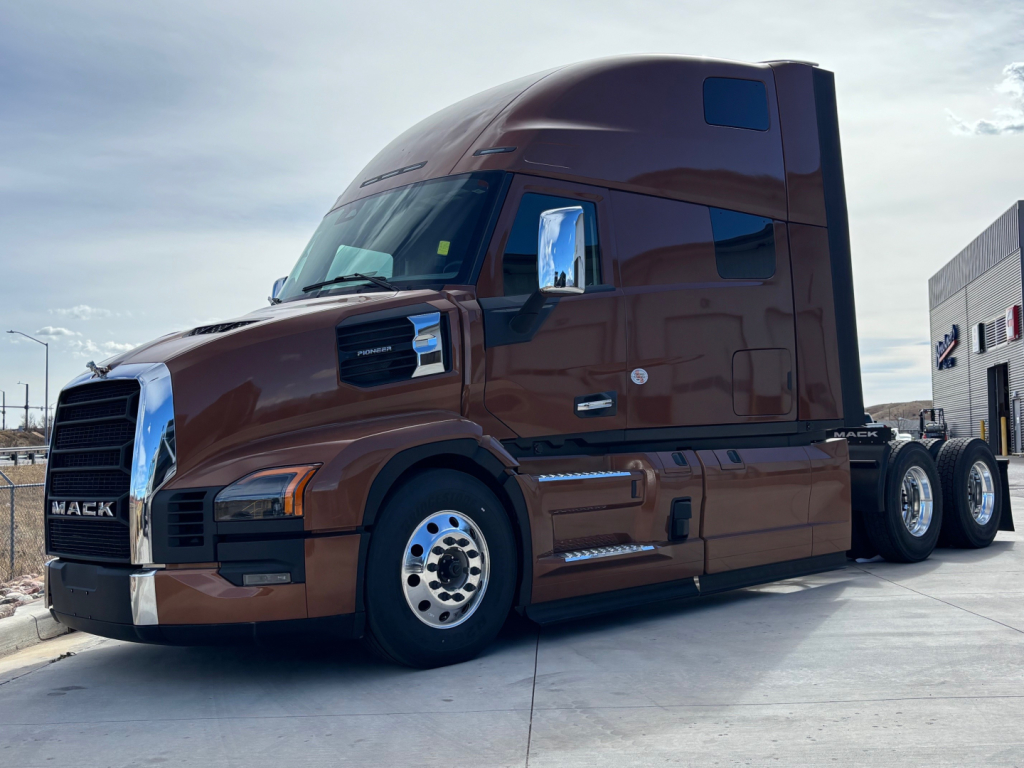
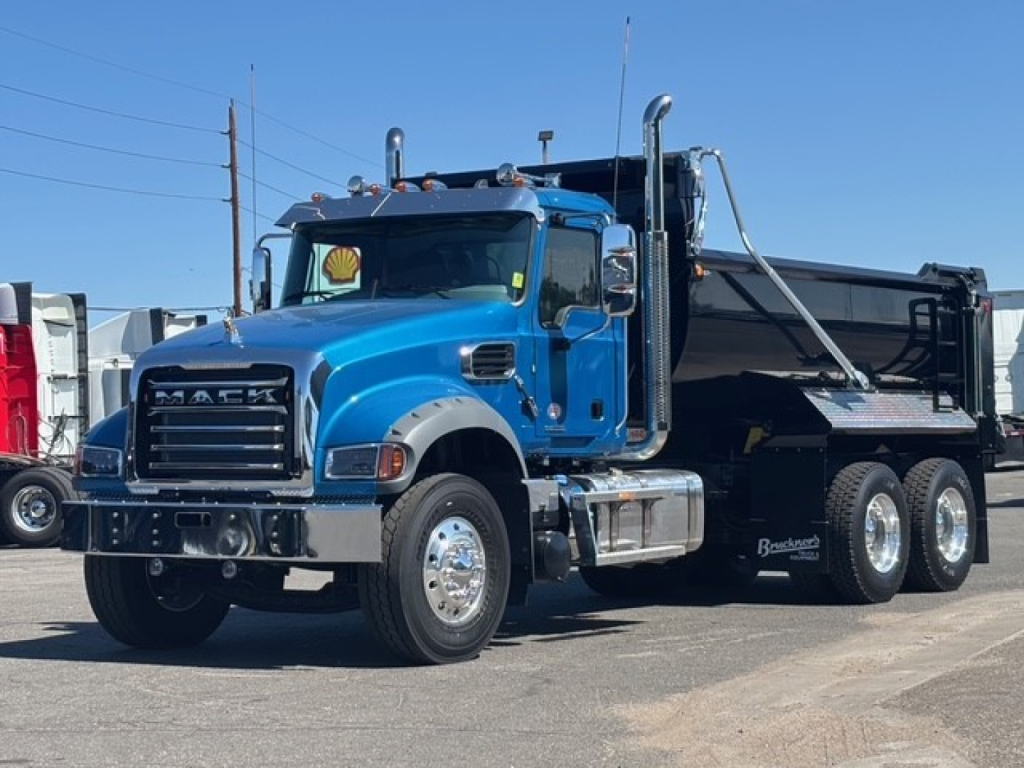
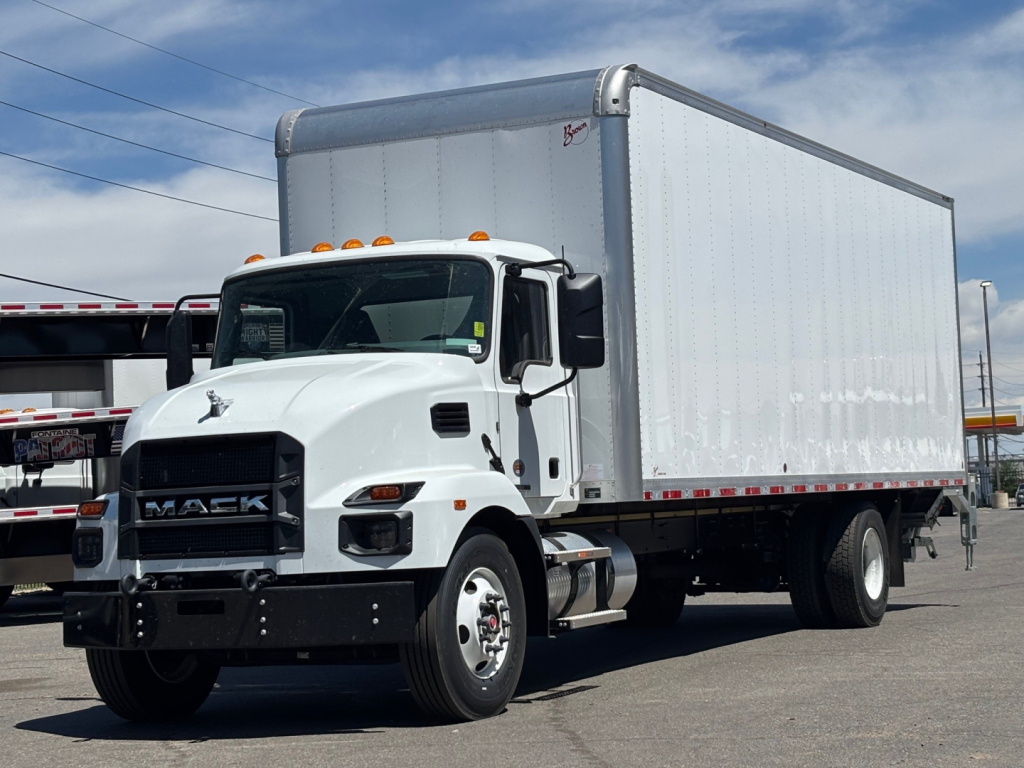
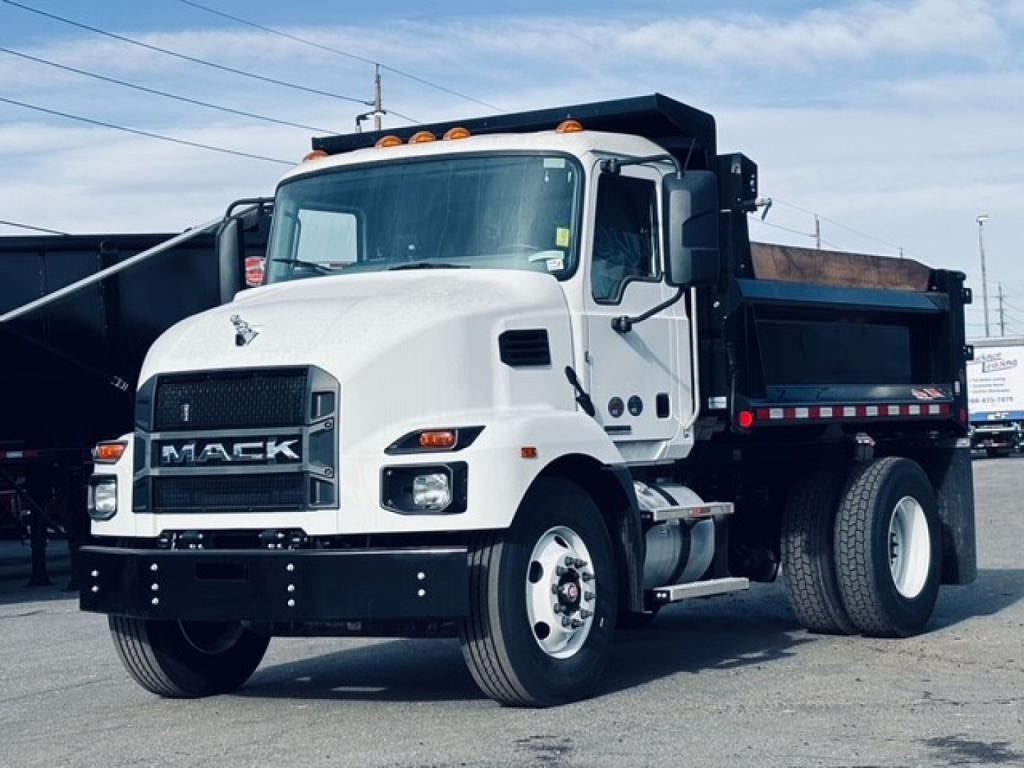

Have commercial truck to sell? List it here to reach thousands of buyers.
Commercial Trucks Near Colorado Springs, Colorado
Powertrain choice matters more in Colorado than it does in flatter markets. Buyers working around the Front Range and into higher elevations should pay close attention to horsepower, torque, rear axle ratio, and transmission type. Common setups include diesel engines from Cummins, Mack, and International paired with Allison automatic transmissions or automated manuals like Mack mDRIVE. For stop-and-go vocational work, an Allison automatic is often preferred for ease of operation and PTO compatibility. For heavier hauling, a higher-horsepower engine with a deep reduction or multi-speed transmission can improve gradeability and jobsite performance.
Body and upfit details are what separate one work truck from another. Dump truck buyers should look at box length, material type, hoist capacity, gate style, tarp system, hitch equipment, and suspension. Box truck buyers need to verify body length, interior height, roll-up versus swing doors, and whether the chassis is under CDL or at the 26,000 to 33,000 GVWR break point. Tow trucks require close attention to wheel-lift capacity, recovery equipment, and hydraulic setup. Bucket truck shoppers should confirm platform height, insulation rating, outrigger design, PTO hours, and utility body layout. Across all types, brake spec, front and rear axle ratings, tire size, and wheelbase need to match the intended payload and turning-radius requirements.
For used trucks, condition should be evaluated as a fleet buyer would evaluate it: engine hours if available, PTO hours on utility units, service history, corrosion, frame condition, hydraulic leaks, brake wear, and signs of overloading or off-road abuse. In Colorado, rust is often less severe than in some Midwest markets, but suspension wear, body damage, and cold-weather electrical issues still deserve attention. A good truck listing should give enough detail to confirm the chassis class, engine and transmission combination, axle ratings, and upfit specs so you can compare trucks by application instead of just by price.
Frequently Asked Questions about Commercial Trucks Near Colorado Springs, Colorado
What types of trucks are commonly listed for sale in Colorado Springs?
Truck listings in Colorado Springs often include vocational and commercial configurations such as dump trucks, box trucks, tow trucks, bucket trucks, and medium-duty or heavy-duty straight trucks. The chassis can range from Class 6 models for local delivery and municipal work up to Class 8 tandem-axle trucks for construction, aggregate, and severe-service use. The right type depends less on brand and more on body configuration, axle ratings, wheelbase, and the work the truck is expected to handle.
What should I check first when comparing commercial trucks for sale?
Start with GVWR, axle setup, wheelbase, and the body or upfit specifications. Those four items determine payload, legal operating class, turning radius, and whether the truck can actually perform the intended job. After that, review engine horsepower and torque, transmission type, rear axle ratio, brake system, suspension, and PTO capability. On vocational trucks, the upfit details often matter as much as the chassis.
Are automatic transmissions common in work trucks?
Yes. Allison automatic transmissions are common in medium-duty and vocational trucks because they are well suited to stop-and-go driving, PTO operation, and drivers with mixed experience levels. Automated manual transmissions are also common in heavier trucks where fuel economy, gear spread, and higher torque capacity are priorities. The best choice depends on route profile, payload, terrain, and how specialized the truck's job is.
What matters most for a used bucket truck or utility truck?
Platform height, insulation rating, outrigger condition, PTO hours, hydraulic performance, and the overall condition of the utility body are critical. Buyers should also verify whether the boom is insulated, whether maintenance records are available, and whether the truck's GVWR and wheelbase match the boom and body combination. Utility trucks can look clean but still require expensive hydraulic or boom service, so functional condition matters more than cosmetics.
How important is axle ratio for trucks operating in Colorado?
Axle ratio is especially important in Colorado because elevation changes and sustained grades can expose an underpowered or incorrectly geared truck. A numerically higher rear axle ratio can improve launch and climbing performance, particularly on dump trucks or other heavily loaded vocational units. A faster ratio may reduce engine speed on the highway, but it can compromise gradeability if the truck spends most of its time in hilly terrain or on jobsites.