
Commercial Trucks For Sale Near Cockeysville, Maryland
Have commercial truck to sell? List it here to reach thousands of buyers.
Commercial Trucks Near Cockeysville, Maryland
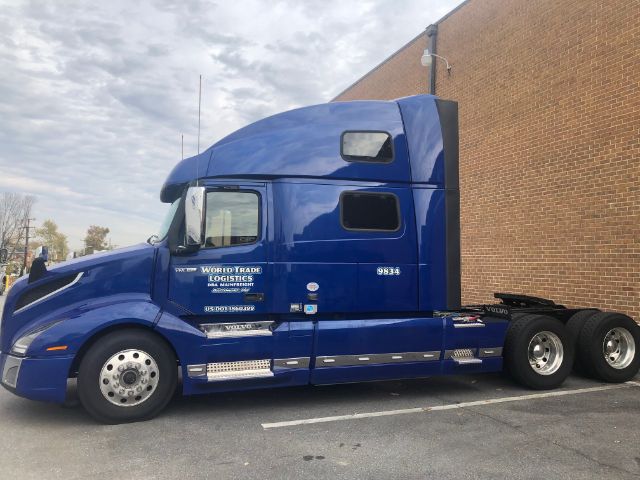
For highway tractors, common configurations include 6x4 tandem axle units with air ride suspension, sliding fifth wheels, 12,000 to 13,200 lb front axles, and 40,000 lb rears. Buyers comparing used trucks often look closely at engine platforms such as the Cummins X15, Detroit, Volvo, or PACCAR, along with horsepower ratings in the 400 to 500 plus hp range and manual or automated manual transmissions from Eaton Fuller and similar suppliers. Regional and local buyers may also consider single axle trucks for lower empty weight, tighter maneuverability, and lower operating cost. Sleeper tractors add another layer of comparison, including mid-roof versus high-roof cabs, bunk size, workstation layout, inverter systems, APU setup, and driver comfort items like air ride heated seats, premium trim, parking heaters, and onboard refrigerator or microwave packages.
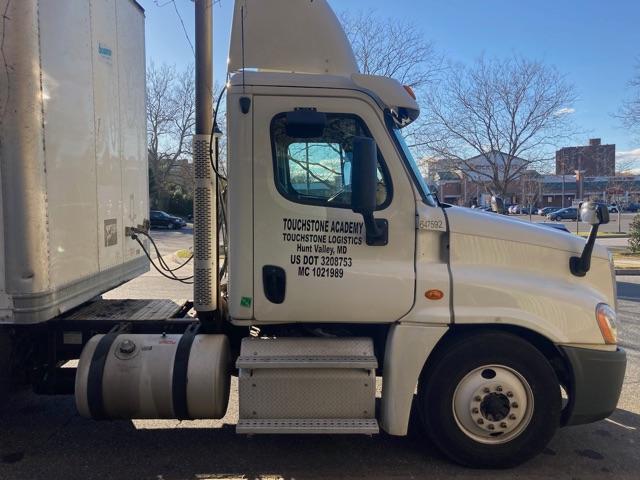
Cab and chassis trucks serve a different role and are often purchased for straight truck, rollback, service body, dump, hauler, or vocational builds. In that part of the market, wheelbase, frame condition, PTO compatibility, GCWR, and suspension spec matter as much as engine mileage. A buyer planning an upfit should confirm usable cab-to-axle length, frame rail dimensions, transmission PTO provisions, and front axle capacity before committing to a chassis. For any used truck, service history, current inspection status, tire and brake condition, emissions system health, and signs of prior structural repair deserve careful review. In Maryland and the Mid-Atlantic, corrosion exposure, local registration requirements, and intended route profile can also affect which spec makes the most sense.
A strong used truck listing usually tells you more than year, make, and model. It should help you judge how the unit was ordered and what job it fits today. Details like dual fuel tanks, all-aluminum wheels, engine brake, wet kit, dump valve, fairings, and kingpin setting flexibility can materially change value and usability. The best choice is not simply the newest truck or the one with the highest trim level. It is the truck whose drivetrain, axle rating, cab configuration, and maintenance background match the freight, body, or daily duty cycle you plan to run.
Frequently Asked Questions about Commercial Trucks Near Cockeysville, Maryland
What is the difference between a sleeper truck and a cab and chassis truck?
A sleeper truck is a road tractor with a rear sleeping compartment designed for over-the-road or extended regional service. It is typically equipped with a fifth wheel to pull a semi-trailer. A cab and chassis truck is sold as a bare chassis behind the cab so it can be fitted with a body such as a box, rollback, dump, utility body, or other vocational equipment. The right choice depends on whether you need to pull trailers or build out a dedicated work truck.
What specs matter most when buying a used truck?
The key specs depend on application, but most buyers start with axle configuration, GVWR or GCWR, engine make and horsepower, transmission type, suspension, wheelbase, and fuel capacity. For tractors, rear axle ratio, fifth wheel setup, and sleeper size are major factors. For cab and chassis units, cab-to-axle measurement, frame condition, and PTO compatibility are critical. Service records, brake and tire condition, emissions history, and current inspection status are just as important as the headline specs.
Is a single axle truck or tandem axle truck better for my operation?
A single axle truck is often a good fit for lighter regional loads, local delivery, shorter trailers, and operations focused on lower empty weight and better maneuverability. A tandem axle truck is usually the better choice for heavier freight, higher GCWR requirements, and broader trailer compatibility. Tandem setups also tend to offer more flexibility for highway work and general freight, but they come with higher acquisition, tire, and maintenance costs.
Are automated manual transmissions common in used trucks?
Yes. Automated manual transmissions are now common in late-model used trucks, especially highway tractors. They reduce driver fatigue, improve shift consistency, and can help with fuel economy when matched to the right rear axle ratio and duty cycle. Buyers should still review service history, clutch calibration records when applicable, and the truck's software and fault history, because transmission performance depends heavily on maintenance and proper operation.
What should I inspect before buying a used truck in Maryland?
Start with the frame, suspension, brakes, tires, steering components, and visible signs of corrosion, especially on trucks that have spent time in winter road salt conditions. Then review engine hours, idle time, aftertreatment history, fault codes, fluid leaks, and maintenance documentation. Confirm DOT inspection status, title status, and axle ratings, and make sure the truck's wheelbase and configuration fit your intended body or trailer setup. A pre-purchase inspection with an experienced diesel technician is a smart step on any used truck purchase.