
Chevrolet Trucks For Sale in Massachusetts
Browse Chevrolet trucks for sale in Massachusetts, including light, medium, and work-ready commercial models for delivery, service, dump, and stake use.
Learn more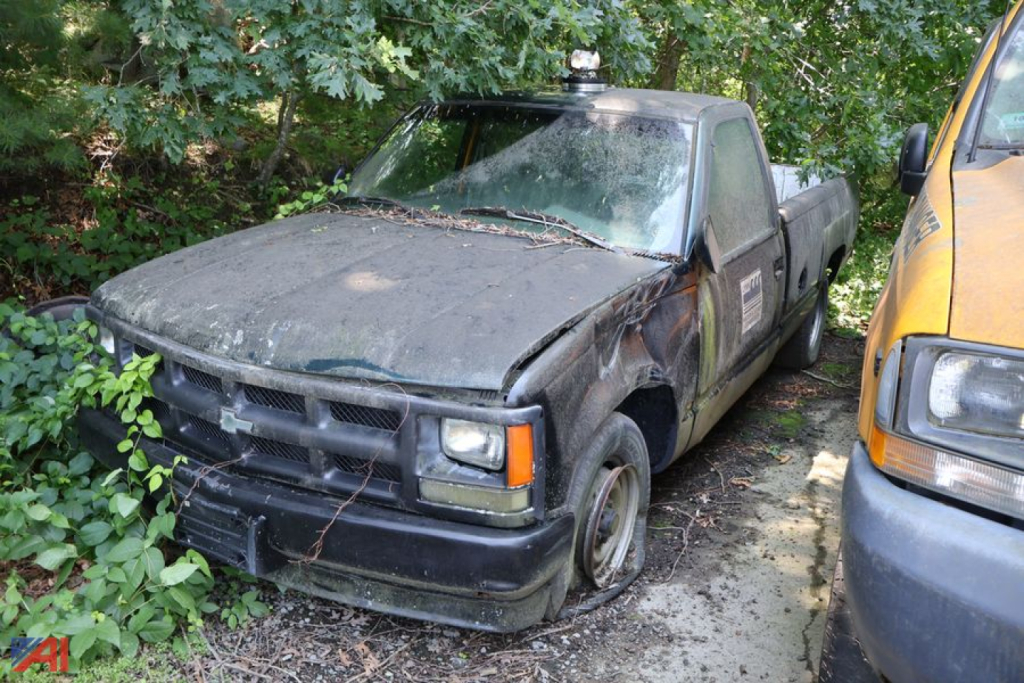
Have chevrolet truck to sell? List it here to reach thousands of buyers.
About Chevrolet Trucks in Massachusetts
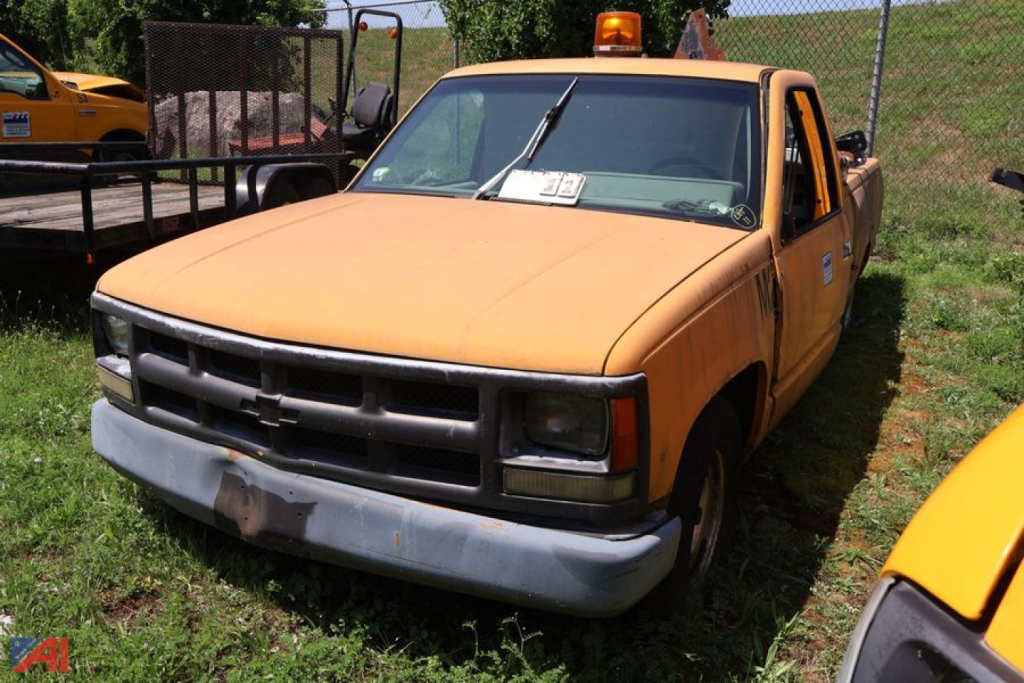
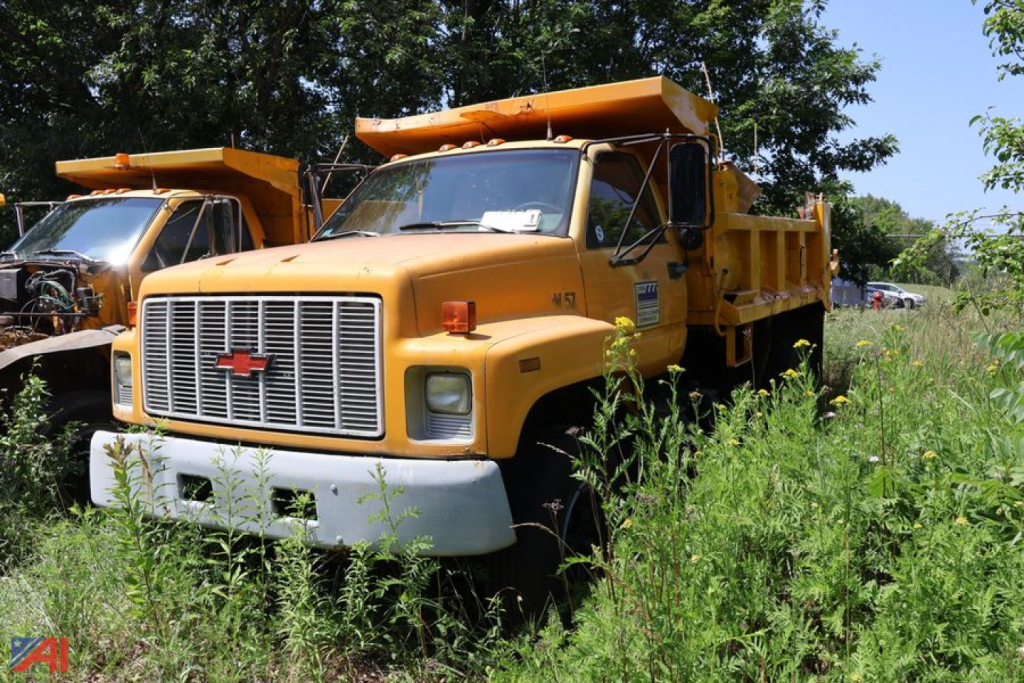
The first decision is usually truck class and body style. A Silverado 2500HD or 3500HD makes sense for lighter payloads, pickup-based service work, towing, and crews that need maneuverability around tighter streets and job sites. A Chevrolet medium-duty truck, including older Kodiak models, is better suited for higher GVWR requirements, vocational bodies, and more demanding daily use. In Massachusetts, body condition matters as much as engine and transmission. Rust on cab corners, rocker panels, frames, brake lines, dump subframes, and stake body flooring can turn an otherwise affordable truck into a costly repair project. PTO operation, hoist performance, spring and suspension condition, and hydraulic leaks should be checked closely on vocational units.
Powertrain and axle setup should match the job. Gas engines can be a good fit for lower annual miles, municipal fleets, and stop-and-go routes where easier serviceability matters. Diesel-equipped medium-duty Chevrolet trucks are often preferred when payload, towing, and longevity are higher priorities. Buyers should verify GVWR, wheelbase, rear axle rating, brake type, and transmission model before comparing listings, because two Chevrolet trucks that look similar can have very different working capacity. If the truck carries a stake bed, dump body, utility body, or van body, look at body length, side height, floor material, tie-down provisions, and any signs of hard vocational use.
For Massachusetts buyers, regional use history is a major factor. Former municipal and contractor trucks may come with useful equipment such as plows, spreaders, tool compartments, ladder racks, or trailer brake controllers, but they may also show corrosion from winter road treatment and repeated short-cycle operation. A Chevrolet truck can be a strong value when the chassis spec matches the intended application and the truck has been maintained with clear records. The best comparisons come down to application fit, frame and body condition, and whether the truck’s axle, suspension, and body configuration can handle the work without being over- or under-spec'd.
Frequently Asked Questions
What Chevrolet truck models are common in commercial use?
Common commercial Chevrolet trucks include the Silverado 2500HD and 3500HD for lighter-duty work, along with medium-duty models such as the Chevrolet Kodiak C4500 and C5500 for vocational applications. These trucks are often upfitted with stake beds, dump bodies, utility bodies, service bodies, flatbeds, and box bodies. The right model depends on GVWR, payload needs, towing requirements, and how much maneuverability the job demands.
What should I inspect first on a used Chevrolet work truck in Massachusetts?
Start with frame condition, rust, brake and fuel lines, suspension components, and the underside of the cab and body. In Massachusetts, corrosion from road salt can be a bigger issue than mileage alone. On vocational trucks, inspect PTO function, hydraulic systems, hoists, body mounts, floor condition, and any attachment points for plows or spreaders. Maintenance records, idle hours if available, and evidence of recent brake or front-end work also matter.
Is a Chevrolet Silverado enough for commercial work, or is a Kodiak better?
A Chevrolet Silverado is often enough for pickup-based service work, light hauling, crew support, and moderate towing. A Chevrolet Kodiak or similar medium-duty truck is a better fit when the application involves heavier payloads, larger bodies, frequent towing, or more demanding daily vocational use. The deciding factors are GVWR, axle ratings, body size, and how consistently the truck will be worked near capacity.
Are gas or diesel Chevrolet trucks better for fleet use?
Gas Chevrolet trucks can make sense for lower-mileage routes, simpler maintenance needs, and operations that want to avoid diesel emissions-related complexity. Diesel trucks are usually preferred for higher payloads, frequent towing, and longer service life in medium-duty applications. The better choice depends on annual mileage, load profile, idle time, service access, and total operating cost rather than fuel type alone.