
1993 Chevrolet Trucks For Sale
Browse 1993 Chevrolet trucks for sale, including pickups and medium-duty work trucks known for simple drivetrains, durable frames, and serviceability.
Learn more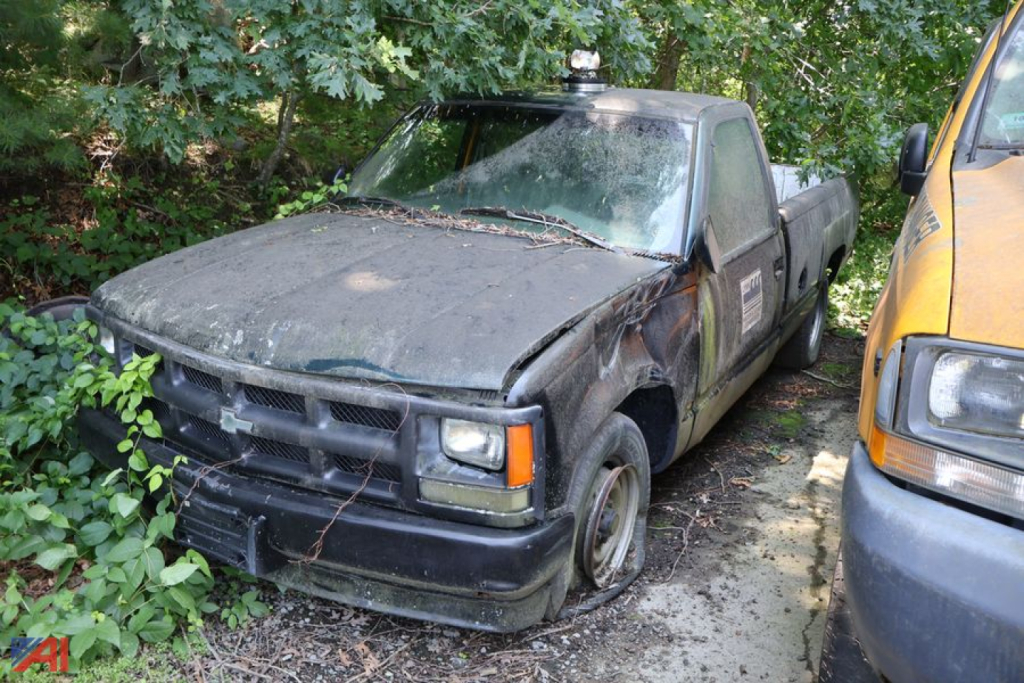
Have 1993 chevrolet truck to sell? List it here to reach thousands of buyers.
About 1993 Chevrolet Trucks
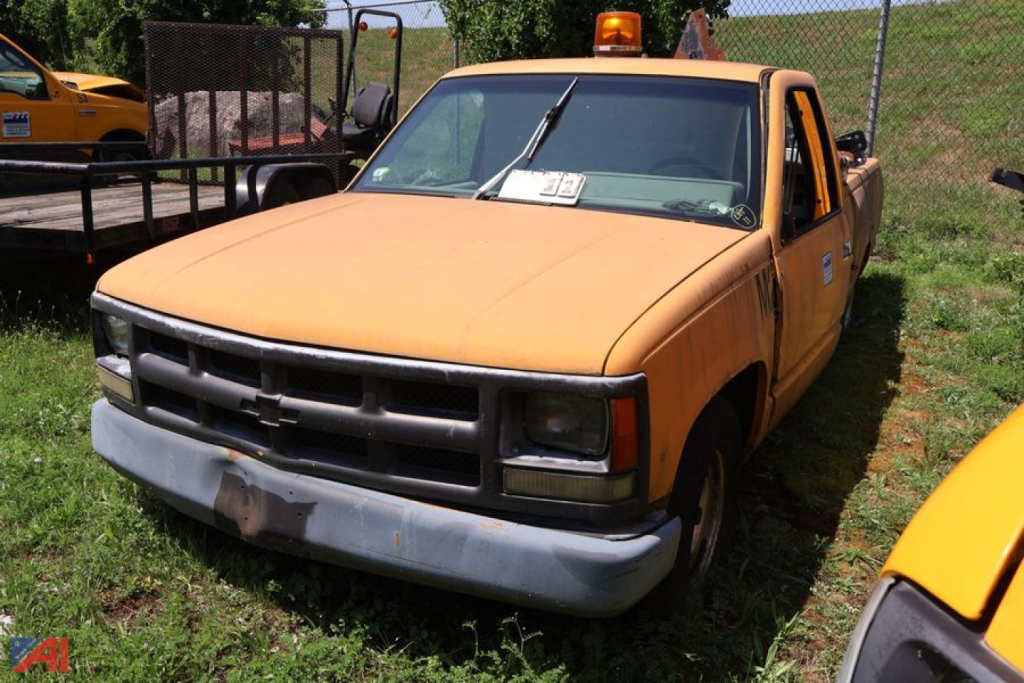
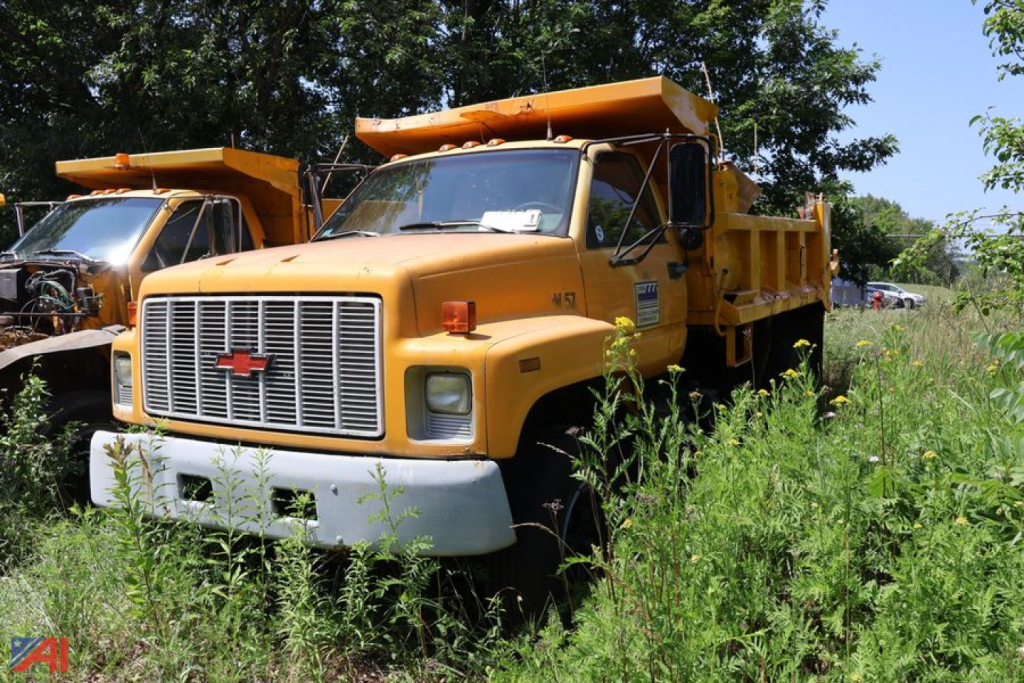
The most common buying decision starts with class and cab configuration. On the pickup side, 1993 Chevrolet trucks were commonly built in regular cab, extended cab, and crew-oriented work layouts, with bed lengths and axle ratios that affect towing, payload, and highway manners. In commercial use, buyers should pay close attention to GVWR, wheelbase, rear axle rating, suspension type, and whether the truck was ordered as a chassis cab for a utility body, flatbed, dump, service body, or box body. Engine choices from this era often include durable gasoline V8s and diesel options that are still familiar to independent shops, but condition matters more than the badge on an older truck. Service records, cold-start behavior, transmission shift quality, steering play, brake condition, and frame corrosion usually tell the real story.
A clean 1993 Chevrolet work truck can still make sense in seasonal, low-mileage, or property-based roles where low acquisition cost matters more than late-model cab features. Buyers comparing units should inspect body mounts, cab corners, rocker panels, spring hangers, brake lines, wiring repairs, PTO or hydraulic operation if equipped, and any signs of overloading from prior commercial use. If the truck carries an upfit, inspect the body separately from the chassis. Utility bodies should be checked for compartment floor rust, latch wear, and crane mounting integrity. Flatbeds and dumps should be checked for crossmember condition, hoist performance, and bed floor thickness. On older diesel trucks, verify starting performance, blow-by, fuel system condition, and evidence of injector or cooling system work.
For buyers who plan to title, insure, and run a 1993 Chevrolet truck commercially, it is smart to confirm VIN data, axle tags, door-jamb ratings, and any modifications that may affect registration or compliance. Tires, wheels, hitch equipment, and trailer brake wiring are often changed over a truck’s life, and mismatched components can reduce usable capacity. The best value usually comes from a truck with a clear work history, an intact chassis, and a specification that fits the job without relying on expensive restoration. A 1993 Chevrolet truck is not a technology buy. It is a durability, serviceability, and application-fit buy.
Frequently Asked Questions
What engines are common in a 1993 Chevrolet truck?
Common engine choices in 1993 Chevrolet trucks depend on the series and GVWR, but buyers will typically see gasoline V8s and, in some applications, diesel engines. On an older truck, the exact engine matters less than documented maintenance, compression health, oil pressure, cooling system condition, and how well it starts and runs under load. A pre-purchase inspection should focus on leaks, smoke, idle quality, and transmission behavior rather than assuming any original engine is still in strong service condition.
Is a 1993 Chevrolet truck still practical for commercial use?
A 1993 Chevrolet truck can still be practical for commercial use in the right duty cycle, especially for farm work, contractor support, local hauling, property maintenance, or seasonal operations. The main advantages are lower purchase cost, simpler mechanical systems, and easier repair access. The tradeoff is age-related wear, fewer modern safety and comfort features, and the likelihood that suspension, brake, electrical, and corrosion issues will need attention before the truck can be relied on daily.
What should I inspect first on a 1993 Chevrolet work truck?
Start with frame condition, cab rust, brake performance, steering looseness, suspension wear, and drivetrain operation. Then verify that the VIN plate, GVWR, axle ratings, and wheelbase match the truck’s current body and intended use. If the truck has a service body, flatbed, dump body, or other upfit, inspect the body as a separate system and check hoists, PTO components, hydraulic lines, compartment floors, and mounting points for structural wear or poor repairs.
Are parts still available for 1993 Chevrolet trucks?
Parts availability is generally one of the strengths of an older Chevrolet truck, especially for common maintenance items, chassis components, and many gasoline drivetrain parts. Availability can become more limited for trim pieces, certain interior parts, body panels, discontinued electronic components, and some diesel-specific items depending on the exact model. Buyers should confirm support for any truck-specific upfit components as well, since crane, hoist, PTO, and body hardware parts often come from separate manufacturers.
How do I choose the right 1993 Chevrolet truck configuration?
Choose the truck by starting with the job, not the model name. Match the truck’s GVWR, axle ratio, cab style, wheelbase, drivetrain, and body type to the weight, trailer, terrain, and daily mileage you expect. A lighter pickup setup may be enough for property work or light towing, while a chassis-cab with a service body, flatbed, or box may be the better fit for tools, materials, or route-based work. On a 1993 truck, correct specification is especially important because upgrading capacity after purchase is rarely as cost-effective as buying the right truck from the start.