
Trucks For Sale Near Cheboygan, Michigan
Have truck to sell? List it here to reach thousands of buyers.
Trucks Near Cheboygan, Michigan
For many buyers, the most important specs start with GVWR, engine output, transmission type, and rear axle ratio. In medium-duty trucks, common classes include Class 5 through Class 7, with diesel engines from manufacturers such as Cummins, Caterpillar, Detroit, International, and Mercedes-Benz in older units, paired with automatic or manual transmissions depending on the intended duty cycle. Cab and chassis trucks, also known as straight truck chassis or vocational chassis, are often selected for body-builder flexibility. Buyers should confirm frame rail dimensions, cab-to-axle measurement, suspension type, brake configuration, and whether the truck has PTO provisions if hydraulic equipment will be added.
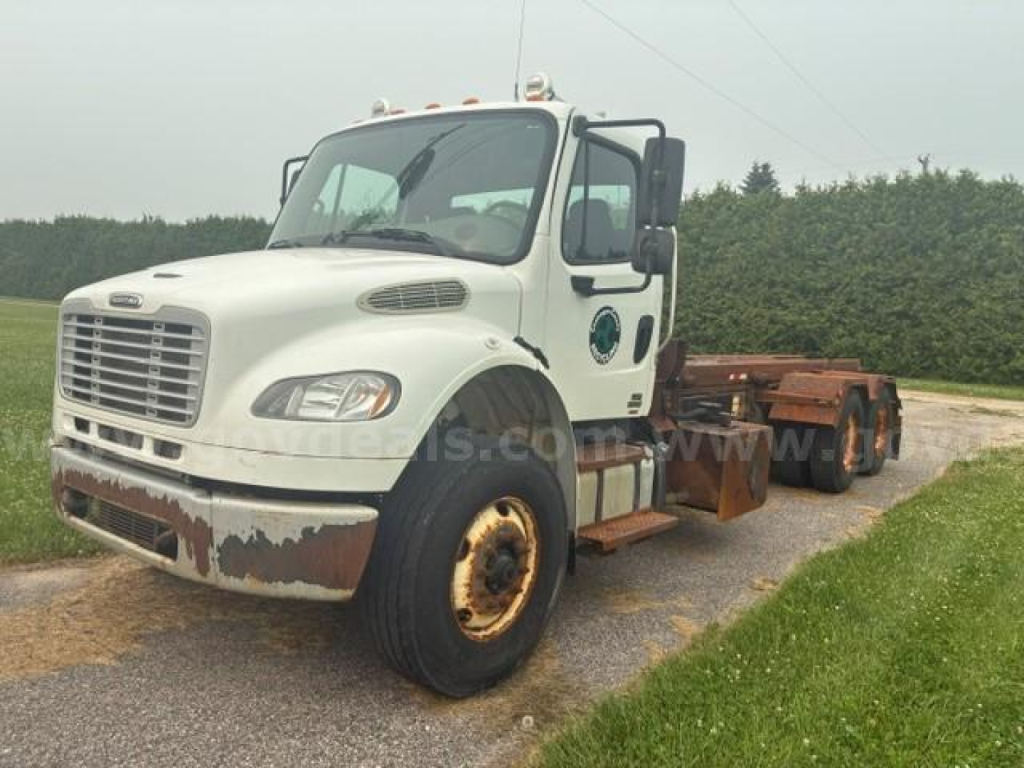
Condition matters more in work trucks than age alone. Service records, idle hours, engine hours, corrosion, and evidence of prior upfit work can tell you more than the model year. In northern markets like Michigan, pay close attention to rust on frame rails, crossmembers, spring hangers, brake lines, fuel tanks, cab mounts, and electrical connections. If the truck has a hoist, lift system, utility body, or other hydraulic equipment, inspect cylinders, pump operation, hose routing, control valves, and PTO engagement. Tire condition, steering play, suspension wear, and brake life should all be evaluated against the truck's intended job, not just its current roadworthiness.
A good truck purchase comes down to matching the chassis to the work. Local hauling, construction support, refuse handling, municipal maintenance, and landscape supply all place different demands on axle ratings, turning radius, body clearance, and loading method. Buyers comparing trucks for sale in Cheboygan should also consider licensing requirements, bridge-law implications, and parts support for the make and engine platform. The best value is usually the truck with the right vocational spec, a sound frame, and enough remaining service life to handle the next upfit cycle or work assignment without major downtime.
Frequently Asked Questions about Trucks Near Cheboygan, Michigan
What should I check first when buying a used truck in this category?
Start with the truck's intended application and verify that the chassis matches it. GVWR, wheelbase, cab-to-axle length, engine horsepower, transmission, rear axle ratio, and PTO capability are core fitment items. After that, inspect service history, engine hours, rust, frame condition, suspension wear, brake condition, and any existing hydraulic or body equipment. A truck that is mechanically sound but incorrectly spec'd for the job can be more expensive than a higher-priced unit that already matches the application.
What is a cab and chassis truck?
A cab and chassis truck is a truck sold with the cab, drivetrain, frame rails, and axles, but without a completed body. It is commonly used for custom upfits such as flatbeds, dump bodies, service bodies, utility bodies, box bodies, hooklifts, and rollback equipment. Buyers choose cab and chassis trucks when they need flexibility in body selection, axle placement, and work-specific configuration.
Why is rust inspection especially important on trucks in Michigan?
Michigan road salt and winter exposure can accelerate corrosion on commercial trucks, especially on older vocational units. Buyers should look closely at frame rails, crossmembers, spring mounts, cab corners, brake and fuel lines, battery boxes, wiring, and body mounting points. Surface rust is common, but scaling, perforation, and structural corrosion can affect safety, upfit costs, and long-term reliability.
How do I know if a truck can support a hydraulic body or hoist system?
Check whether the truck has a PTO opening on the transmission, adequate engine torque for hydraulic demand, and the correct frame and suspension rating for the equipment being installed. Also confirm available space for a hydraulic tank, pump, valve body, and hose routing. If a hoist or cable system is already installed, inspect PTO engagement, cylinder condition, pivot points, control operation, and any signs of frame stress or repair around mounting areas.
Is mileage or engine hours more important on a used work truck?
Both matter, but engine hours often give a better picture of wear on vocational trucks that spend time idling or operating PTO-driven equipment. A truck with moderate miles but very high hours may have more engine and accessory wear than the odometer suggests. The best evaluation uses mileage, engine hours, maintenance records, idle history, and the actual condition of the chassis and drivetrain together.