
Commercial Trucks For Sale Near Charlotte, North Carolina

Have commercial truck to sell? List it here to reach thousands of buyers.
Commercial Trucks Near Charlotte, North Carolina
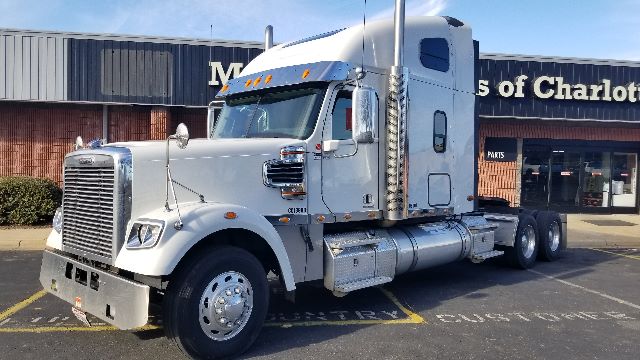
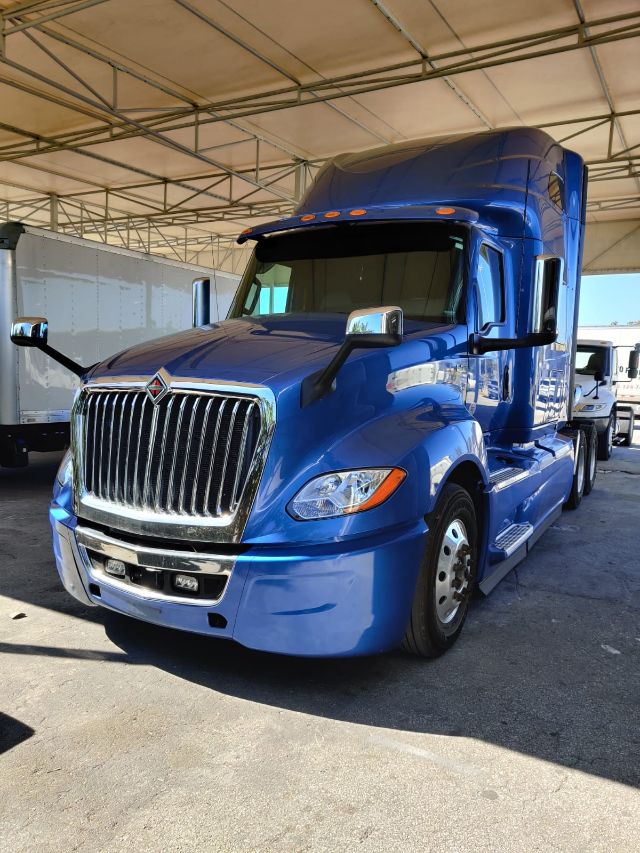
For highway tractors, buyers usually narrow the field by cab type and driveline. Sleeper trucks are common for longer lanes and team or multi-day runs, while day cabs make sense for regional turns, drayage, and local shuttle work. Common Class 8 setups include 6x4 tandem axle tractors with Detroit, Cummins, Paccar, Volvo, or Mack power, paired with manual, automated-manual, or automatic transmissions. Pay attention to rear axle ratio, engine brake, fifth wheel type, suspension, and tank capacity because those details affect cruise RPM, gradeability, payload flexibility, and operating cost. Wheelbase and sleeper size also matter if the truck needs to balance ride quality, maneuverability, and federal bridge or loading requirements.
Condition matters as much as spec. Service records, aftertreatment history, engine hours, clutch or transmission work, suspension wear, and tire and brake percentages can tell you more than appearance alone. On aerodynamic late-model tractors, buyers often focus on fuel economy features, fairings, idle management, and driver comfort items that affect retention and uptime. On classic long-hood conventionals, the value is often in heavier spec components, owner-operator appeal, and easier access for certain service work. If the truck is intended for specialized hauling, check frame condition, PTO provisions, wet kit compatibility, lift axle setup, and front axle rating before looking at cosmetic extras.
A smart truck purchase comes down to matching the truck to the route, trailer, and maintenance plan. Regional carriers may prioritize lower miles, emissions warranty coverage, and efficient aero packages. Owner-operators may lean toward higher horsepower, premium interiors, double bunks, or a specific engine and transmission combination. Vocational buyers often care more about durability, axle ratings, and body or equipment compatibility than sleeper amenities. The best listings to compare are the ones that give clear information on engine model, horsepower, transmission type, axle configuration, suspension, wheelbase, and recent repairs, because those details determine how the truck will perform in real work.
Frequently Asked Questions about Commercial Trucks Near Charlotte, North Carolina
What should I look for first when comparing trucks for sale?
Start with the truck’s intended job, then match the chassis and driveline to that application. Cab type, wheelbase, axle configuration, horsepower, transmission, suspension, and axle ratings should fit the route, trailer, and payload. A long-haul sleeper tractor, a local day cab, and a vocational truck can all be Class 8 units, but they are not interchangeable once maneuverability, PTO needs, fuel range, and legal weight requirements are considered.
Is a sleeper truck better than a day cab?
A sleeper truck is better for over-the-road work, longer regional lanes, and operations that need overnight flexibility. A day cab is usually the better choice for local delivery, drayage, yard-to-yard moves, and routes where lower weight and tighter turning are more important than driver living space. The right choice depends on haul length, driver schedule, and whether the truck needs extra fuel capacity and storage.
Which truck specs affect operating cost the most?
Fuel economy, maintenance exposure, and driveline efficiency usually have the biggest impact on cost. Engine model, transmission type, rear axle ratio, tire spec, emissions system condition, and aerodynamics all influence fuel burn and downtime. Maintenance records, mileage, engine hours, brake and tire condition, and recent repairs can be just as important as the purchase price because they affect how soon the truck will need major work.
What axle configuration is most common on heavy trucks?
A 6x4 tandem axle configuration is the most common setup for Class 8 highway tractors because it balances traction, durability, and broad trailer compatibility. Some operations prefer 6x2 for fuel savings in the right duty cycle, while vocational and heavy-haul applications may require additional axles, lift axles, or higher front axle ratings. The correct configuration depends on terrain, legal weight, and how the truck will be loaded.
Are used trucks in Charlotte a good fit for regional freight?
Charlotte is well positioned for regional trucking because of its access to major freight corridors across North Carolina, South Carolina, Virginia, Georgia, and beyond. That makes the market especially relevant for buyers looking for sleeper tractors and day cabs suited to short- to medium-length lanes. Buyers should still verify the truck’s gearing, fuel capacity, emissions history, and overall spec to make sure it aligns with the freight they plan to haul.