
Commercial Trucks For Sale Near Chagrin Falls, Ohio
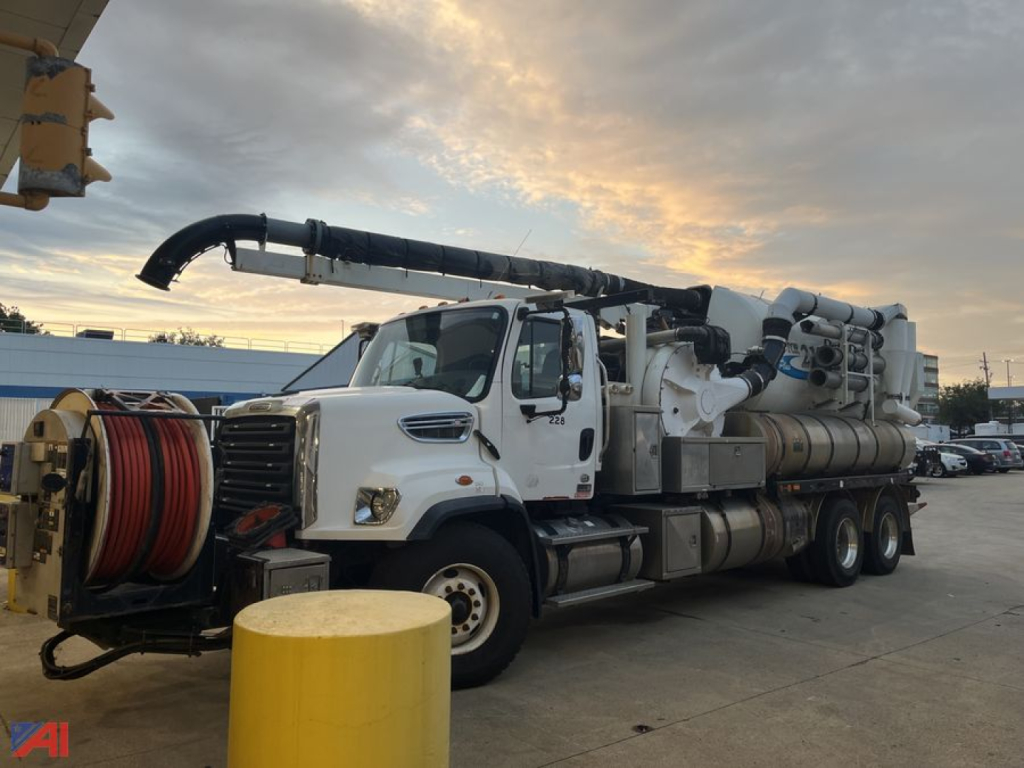
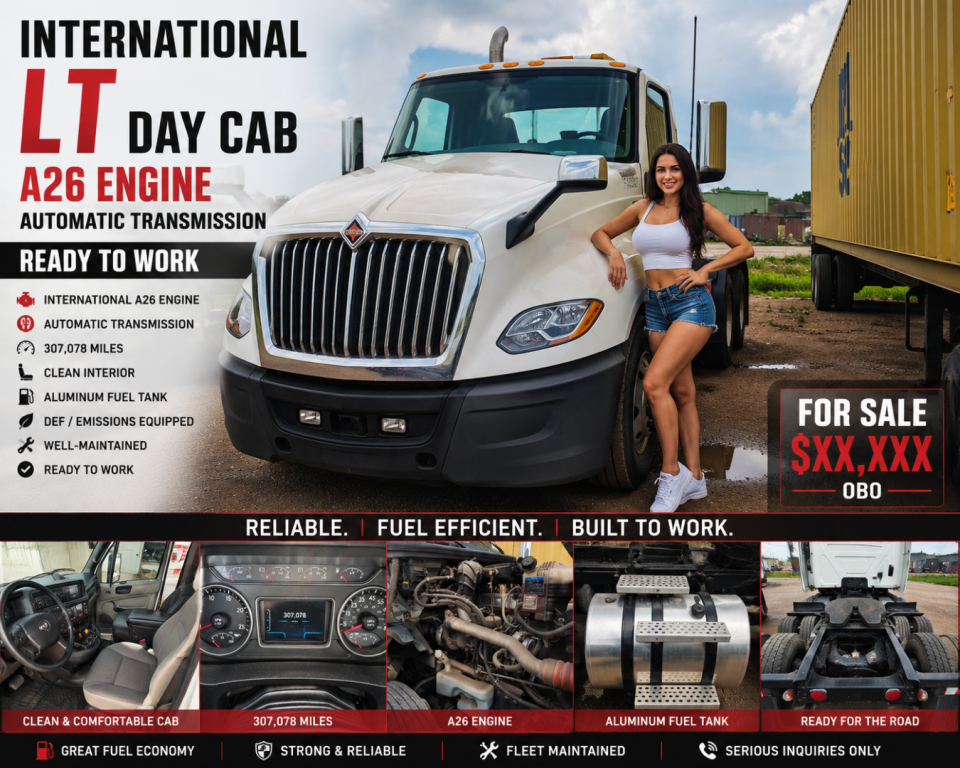

Have commercial truck to sell? List it here to reach thousands of buyers.
Commercial Trucks Near Chagrin Falls, Ohio
In this market, medium-duty and heavy-duty vocational trucks are common, especially units built on platforms like the International 4400 and 7400. These trucks are frequently spec'd with diesel engines such as the DT466 or MaxxForce series, paired with Allison automatic transmissions for stop-and-go municipal or contractor work. On dump and plow applications, pay attention to body material, hoist condition, frame rust, hydraulic performance, plow mount integrity, and spreader operation. Stainless dump bodies, V-box spreaders, under-tailgate spreaders, municipal front plows, beacon packages, and controller systems can add real utility if the equipment is complete and functional. In Northeast Ohio, corrosion exposure is a major buying factor, so cab corners, crossmembers, spring hangers, brake lines, wiring, and the underside of the dump body deserve a close inspection.
For buyers looking at conventional day cabs, the priorities shift toward engine hours, emissions system history, wheelbase, rear axle ratio, brake spec, and fifth wheel setup. A day cab truck, also known as a conventional daycab tractor, is typically chosen for local or regional freight, port work, tanker, dump trailer, or dedicated route service where sleeper space is unnecessary. Check for transmission spec, PTO provisions if a hydraulic trailer may be involved, and suspension type if ride quality or weight distribution is important. On higher-mileage road tractors, service records for aftertreatment components, clutch or automated manual calibration, and front-end wear can tell you more than cosmetic condition.
Used trucks in this category can range from lightly used municipal fleet units with low miles and high idle hours to contractor trucks with seasonal attachments and specialized upfits. That makes total operating condition more important than model year alone. A low-mileage plow truck may still have heavy wear on hydraulics, electrical connectors, cutting edge mounts, and spreader controls, while a day cab may show the opposite pattern with stronger road mileage but less vocational stress. The best buying decision usually comes from matching the truck's spec to payload, route length, terrain, and seasonal demands, then verifying that the chassis, powertrain, and any installed equipment still fit that mission without immediate reconditioning costs.
Frequently Asked Questions about Commercial Trucks Near Chagrin Falls, Ohio
What should I look for when buying a used dump truck or plow truck?
Start with the chassis and the vocational equipment as two separate inspections. On the truck itself, check engine condition, transmission operation, frame corrosion, brake line condition, suspension wear, steering play, and any signs of rust around cab mounts and crossmembers. On the upfit side, inspect the dump hoist, hydraulic cylinders, PTO engagement, plow frame, cutting edge wear, spreader chain or auger condition, controller function, and all lighting and wiring connections. In snow-belt states like Ohio, corrosion and electrical issues are often the biggest ownership-cost drivers on municipal-spec trucks.
Is a day cab better than a sleeper for local work?
For local and regional operations, a day cab is usually the more practical choice because it is lighter, more maneuverable, and easier to service in tight urban or yard environments. A shorter wheelbase can improve turning radius and make backing simpler at docks or plants. Day cabs are commonly used for dedicated freight lanes, dump trailer work, tanker routes, and drayage where drivers return home daily. The tradeoff is reduced onboard storage and no sleeper berth, so they are not ideal for long-haul applications.
Why do municipal trucks often have low miles but still need careful inspection?
Municipal trucks frequently accumulate low road miles because they spend much of their life in seasonal or stop-and-go service, but that does not always mean low wear. Snow plowing, spreading, idling, and hydraulic operation create stress on cooling systems, front suspensions, electrical systems, and PTO-driven equipment. Many municipal units also operate in road salt environments, which can accelerate rust on frames, body supports, brake components, and connectors. Low mileage is useful, but maintenance history and corrosion condition are often more important.
What engine and transmission specs are common in medium-duty vocational trucks?
Many medium-duty vocational trucks are powered by inline diesel engines in the 7 to 9 liter range and are commonly paired with Allison automatic transmissions. That combination is popular because it handles repeated starts, variable drivers, and PTO-related work well. Buyers should still confirm horsepower, torque rating, transmission model, rear axle ratio, and whether the truck was spec'd for highway speed, payload capacity, or off-road and municipal work. The exact spec affects drivability, fuel use, and how well the truck matches the intended job.
How important is body material on a used dump truck?
Body material has a direct effect on payload, corrosion resistance, repair cost, and service life. Stainless steel bodies are popular in municipal and snow operations because they stand up better to salt and wet material, while steel bodies may be more economical but often show more rust over time. Buyers should inspect the floor, side walls, tailgate, hinge points, and body braces for cracking, patching, or excessive wear. A solid body with a healthy hoist can be just as important as the engine when evaluating a used dump truck.