
CCC Trucks For Sale
Research CCC trucks including low-entry refuse and severe-service chassis. Compare specs, engines, CNG options, and key buying tips for Crane Carrier.
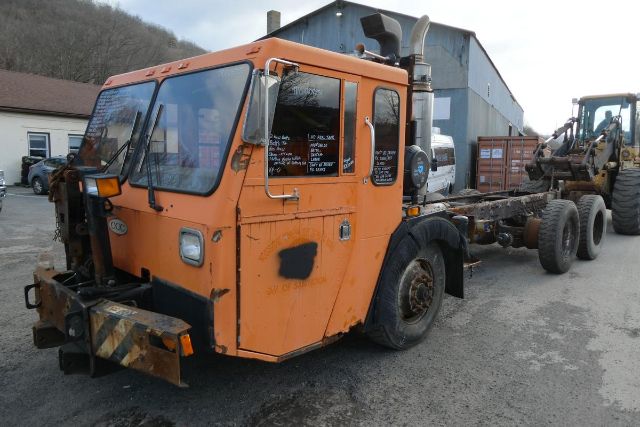
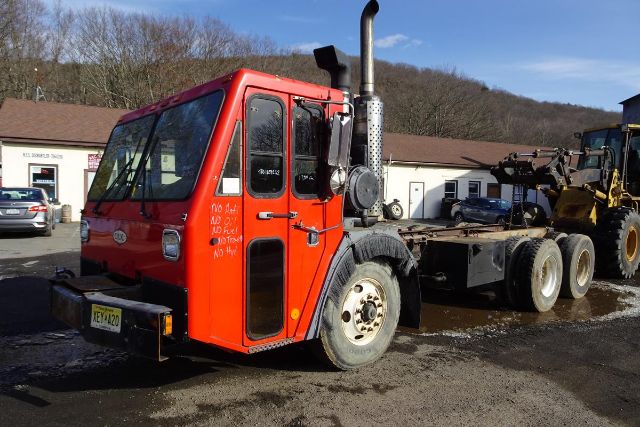
Selling a ccc truck? List your ccc truck for sale and reach thousands of commercial buyers.
CCC Trucks
Powertrains typically center around Cummins medium and heavy vocational engines such as ISL, ISM and later L9, with CNG options that include ISL G and L9N. Transmissions are most often Allison 3000, 3500 or 4000 series automatics with integral PTO provisions for high hydraulic demand bodies. Axle specs vary by body: 18k to 24k fronts are common, tandems at 40k to 46k, and heavy municipal builds may run 52k tandems with a pusher or tag for payload and bridge compliance. Expect robust frames with high-RBM rails, double-frame or inner-liner options, heavy crossmembers, and vocational suspensions like Hendrickson Haulmaax or walking beam for durability. Brakes are full air with ABS, often drum rears and disc or drum fronts, and many units add auto-lube, tire inflation systems, and body-builder electrical provisions.
Applications span automated side loaders, rear and front loaders, roll-off hoists, grapple loaders, hooklifts, concrete mixers, vacuum and hydro-excavation units, sewer jetters and street sweepers. CCC chassis integrate cleanly with major body manufacturers such as Heil, McNeilus, Labrie, New Way, Galbreath, Palfinger, Stellar and Ampliroll. Wheelbase and overhang are critical: side loaders and rear loaders often run shorter wheelbases for agility, while roll-offs and hooklifts need longer rails, heavy hoist subframes and reinforced RBM. Gear ratios are chosen for frequent starts on grades and heavy GCW, prioritizing torque and brake cooling over top speed.
Evaluate used CCC trucks by hours as much as miles. Refuse units often show low odometer readings with very high engine and PTO hours. Inspect frame rails near body mounts and hoist towers for corrosion, look for leaks at packer or hoist cylinders, check hydraulic pump output and valve function, and assess dual-steer linkages and gearboxes for play. For CNG units, verify tank age, certification date and station coverage on your routes. For newer diesels, confirm DPF and SCR service history. Match axle ratings and spacing to your payload and local bridge laws, and confirm visibility, camera systems and curbside controls align with your route safety plan. Parts support is strong through Cummins, Allison and major axle-suspension suppliers, with CCC cab and chassis components available through dedicated vocational distributors.
Frequently Asked Questions about CCC Trucks
What types of work are CCC trucks best suited for?
CCC specializes in severe-service, stop-and-go applications. Low-entry cabover models excel in refuse collection, recycling, municipal services, roll-off and hooklift work, as well as bodies that require high hydraulic output like vacuum trucks and sewer jetters. The design prioritizes visibility, crew safety and productivity over highway speed and aerodynamics.
Which engines and transmissions are common on CCC chassis, and what about CNG vs diesel?
Most CCC chassis use Cummins vocational engines such as ISL, ISM and L9. Many refuse builds were offered with CNG engines like the ISL G and L9N for lower emissions and noise. Transmissions are typically Allison 3000 to 4000 series automatics with PTO capability. CNG offers quieter operation and potential fuel cost advantages, but tanks add weight and require periodic inspection and recertification. Diesel provides greater fueling flexibility and longer range, with DPF and SCR systems that need documented maintenance.
What axle configurations and GVWRs are typical on CCC trucks?
Common specs include 18k to 24k front axles and 40k to 52k tandems, with GVWRs frequently in the 60k to 72k range for tri-axles and high-payload municipal builds. Pushers or tags are used to carry refuse payloads or support long roll-off hoists while staying within bridge law. Suspension choices like Hendrickson Haulmaax and walking beam are popular for durability and body stability.
What should I look for when buying a used CCC refuse or roll-off truck?
Focus on engine and PTO hours, not just miles. Inspect frame rails, crossmembers and body subframes for corrosion or cracking. Check hoist or packer cylinders for leaks, measure hydraulic pump pressure, and verify smooth operation of valves and controls. Examine dual-steer components for wear, confirm brake lining thickness and drum or rotor condition, and review DPF or CNG tank service records. Ensure the wheelbase, axle spacing and ratings match your routes and legal requirements.
Are CCC chassis compatible with common refuse bodies and hoists?
Yes. CCC vocational frames are designed for seamless integration with leading refuse bodies and hoists, including automated side loaders, rear and front loaders, roll-off hoists and hooklifts. You will find established mounting kits, PTO configurations and electrical interfaces for brands such as Heil, McNeilus, Labrie, New Way, Galbreath, Palfinger, Stellar and Ampliroll. Always verify wheelbase, overhang, RBM and hydraulic requirements against the specific body model.