
Cat Trucks For Sale
Shop Cat vocational trucks. Learn specs, engines, and applications for Caterpillar CT660 and CT680 dump, mixer, roll-off, and day cab tractor models.
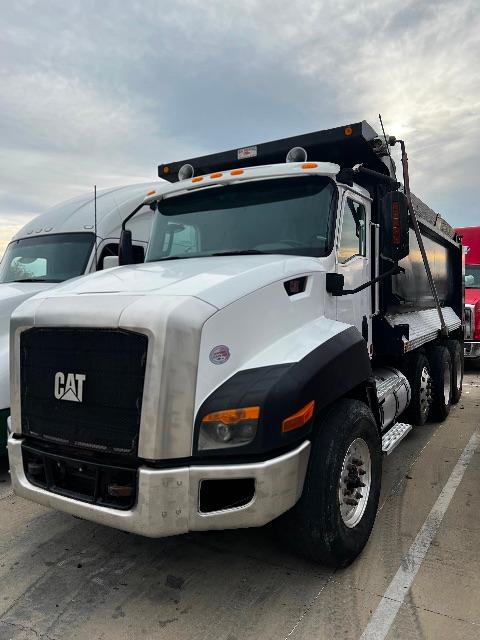
Selling a cat truck? List your cat truck for sale and reach thousands of commercial buyers.
Cat Trucks
Powertrains are built for vocational duty. Cat-branded on-highway models were commonly spec’d with mid to high 300s up to 500 plus horsepower and 1,550 to 1,850 lb-ft torque, paired to Eaton Fuller manuals from 8LL to 18 speed or Allison 4000 series automatics. Gear ratios in the mid 4s are common for off-road launch and gradeability; highway-oriented tractors trend lower numerically for fuel economy. Most units use modern aftertreatment with DPF and, on many specs, SCR with DEF. Verify DEF system layout, tank capacity, and service history if you run long cold seasons or remote jobsites.
Caterpillar vocational trucks, also known as Cat trucks, were engineered for body integration. Expect clean back-of-cab packaging, multiple PTO options, robust cooling modules, and 34 in frame rail spacing that plays well with dump bodies, mixers, water tanks, knucklebooms, or refuse packers. Common vocational features include heated power mirrors, in-cab upfitter switch banks, body-builder wiring, heavy front tow provisions, and choices of steel or aluminum wheels with 11R22.5 or 11R24.5 tires. Drum brakes dominate in earlier builds; some later tractors and severe-service specs add air disc brakes on steer for fade resistance.
For buyers comparing Cat CT660, CT680, and related severe-service variants, focus on application fit and lifecycle cost. Review maintenance records for the emissions system, cooling package, and PTO usage hours, not just odometer miles. Inspect frame liners for corrosion between rails, suspension bushings for play, and driveline slip joints on trucks that lived off-road. Mixer and refuse duty cycles reward Allison automatics; lowboy and heavy haul often benefit from 13 or 18 speed manuals with deep reduction. Typical GCWR spans from standard 80,000 lb road legal up to permitted heavy haul depending on spec. Parts support remains strong through the Caterpillar dealer network and component suppliers for engines, transmissions, axles, and brakes, which helps control downtime on older fleets.
Frequently Asked Questions about Cat Trucks
What applications are Cat CT660 and CT680 trucks best suited for?
These Caterpillar-branded vocational trucks were designed for severe service. They are commonly upfit as dump, mixer, roll-off, water, refuse, plow, and as day cab tractors for lowboy or heavy equipment moves. Set-forward front axle chassis favor bridge-law dump and mixer work; set-back axle units turn tighter for urban refuse and roll-off routes.
Which transmissions pair well with Cat vocational trucks?
Eaton Fuller manuals in 8LL, 10, 13, and 18 speed suit off-road control and heavy haul, giving deep reduction and close ratio steps. Allison 4000 series automatics excel in stop-and-go or soft underfoot conditions such as mixers, refuse, and snow operations, reducing clutch wear and improving launch on grades. Choose gearing based on your duty cycle and target cruise speed.
How should I evaluate emissions systems on a used Cat truck?
Confirm DPF and DEF service history, including ash load, sensor replacements, and any SCR or EGR repairs. Inspect DEF tank and lines for crystalization, check that forced and passive regens complete, and review ECM fault logs. Trucks that idle long hours or run short routes benefit from documented cleanouts and software updates. A pre-sale parked regen and a visual inspection of the aftertreatment are good practice.
Are parts and service still available for Cat-branded on-highway trucks?
Yes. Core components such as engines, transmissions, axles, brakes, and electronics are supported through Caterpillar dealers and major component networks. Many chassis parts cross with vocational industry standards. Cab trim and model-specific panels can be more specialized, so verify availability and lead times if you anticipate collision or cosmetic repairs.
What gross weight and axle ratings should I look for?
Match axle ratings to your payload and route. Many Cat vocational trucks carry 16k–20k lb steer axles and 40k–58k lb tandems, with tri-axle or lift-axle configurations for higher legal payloads under state bridge laws. For tractor duty, confirm GCWR and rear axle ratios to balance startability on jobsite grades with desired highway cruise RPM.