
Commercial Trucks For Sale Near Castaic, California

Have commercial truck to sell? List it here to reach thousands of buyers.
Commercial Trucks Near Castaic, California
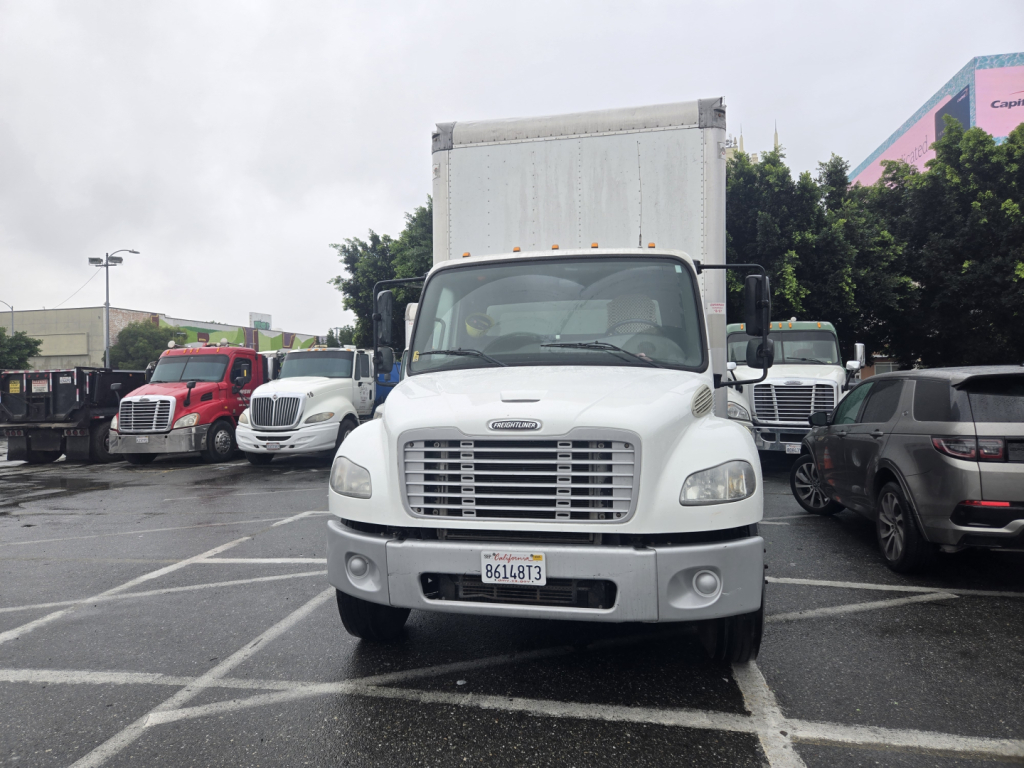
Cab and chassis trucks are a practical choice when the body specification is still open. They are commonly upfitted with flatbeds, service bodies, dumps, boxes, utility bodies, or hot shot setups, and buyers should pay close attention to cab-to-axle measurement, frame rail condition, PTO compatibility, wheelbase, and rear axle ratio before committing. Flatbed trucks in this size range are popular with contractors, steel haulers, equipment movers, and rental fleets because they can handle palletized materials, jobsite tools, pipe, and oversized loads that need forklift access from the side. On a contractor-style flatbed, rack design, deck length, tie-down points, stake pockets, and payload capacity usually matter more than cosmetics.
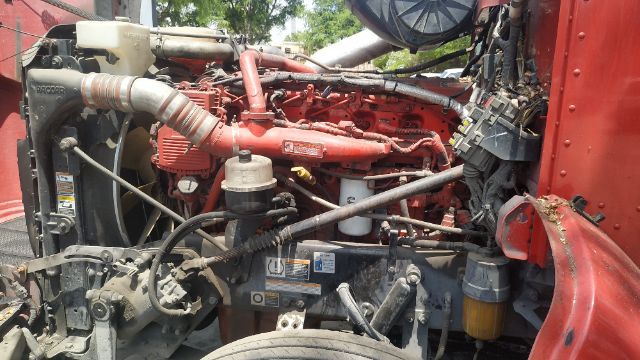
Day cabs, also known as conventional daycab tractors, are built for local and regional hauling where sleeper space is not needed. They are common in port work, dedicated freight, tank, dump transfer, intermodal, food distribution, and short-haul trailer service across Southern California. Key buying points include engine make, horsepower, transmission type, wheelbase, fifth wheel position, and maintenance history. Automated and automatic transmissions are common in fleet and urban service, while 10-speed manuals still appeal to buyers looking for simplicity and lower replacement cost. On used Class 8 trucks, buyers should evaluate aftertreatment condition, ECM history, clutch or transmission wear, suspension type, brake condition, and signs of hard stop-and-go service.
In the Castaic area, truck buyers also tend to balance highway performance with tight turning radius, emissions compliance, and operating cost. California use can make diesel emissions equipment, registration class, and CARB-related considerations especially important, particularly for buyers planning regional or commercial operation. A clean, correctly spec'd truck can be far more valuable than a higher-horsepower unit with the wrong gearing or body setup. The best comparison points are the truck's intended payload, towing requirement, bridge law exposure, axle configuration, service records, and how easily the unit can be put to work without major reconfiguration.
Frequently Asked Questions about Commercial Trucks Near Castaic, California
What is the difference between a cab and chassis truck and a flatbed truck?
A cab and chassis truck is sold with the cab, frame, drivetrain, and rear chassis in place, but without a completed vocational body. That makes it the preferred choice when a buyer plans to install a specific body such as a service body, contractor flatbed, box, dump, or utility setup. A flatbed truck already has a deck installed, so it is closer to job-ready for hauling materials, equipment, pallets, or long stock. The key buying difference is flexibility versus immediate usability.
What should I look for in a used day cab truck?
Start with engine and transmission specification, then move to maintenance history and duty cycle. A day cab used for local stop-and-go freight can show different wear than a regional highway tractor, even with similar miles. Check the aftertreatment system, clutch or automated transmission operation, suspension wear, brake life, tire condition, frame integrity, and fifth wheel movement. It is also smart to review fault codes, idle hours, and any records of engine rebuilds, emissions repairs, or CPC and ECU replacement on newer trucks.
Is a medium-duty truck like an F-550 enough for hot shot or contractor work?
In many cases, yes, but it depends on trailer weight, payload, licensing, and axle ratings. Medium-duty trucks like the Ford F-550 are commonly used for contractor hauling, flatbed work, service applications, and some hot shot operations because they offer strong towing capability in a smaller package than a Class 8 truck. Buyers need to verify GCWR, rear axle capacity, brake setup, hitch type, and body weight before assuming the truck will legally handle the intended load. Crew cab configuration, bed length, and diesel power are often useful, but the ratings on the door sticker and chassis spec sheet matter most.
Are automatic transmissions a good choice in used work trucks and day cabs?
Automatic and automated transmissions are very common in both medium-duty and Class 8 trucks, especially in urban and regional service. They can reduce driver fatigue, improve consistency across multiple operators, and simplify training. The tradeoff is that buyers should be more careful about service records, software updates, and shift quality during inspection. A properly maintained automatic can be an excellent fit for local delivery, construction support, and day cab operation, while some buyers still prefer a manual for lower complexity and more direct control.
Why do California truck buyers need to pay close attention to emissions equipment?
California requirements can affect where and how a truck can be operated, particularly for diesel-powered commercial units. Buyers should confirm the truck's emissions system condition, check for deleted or tampered components, and verify that the engine family and truck configuration align with current operating rules for their application. Problems with DPF, SCR, EGR, sensors, or control modules can quickly change the cost of ownership. In this market, emissions compliance is not just a maintenance issue. It is a usability and registration issue as well.