
Trucks For Sale Near Carmel, New York
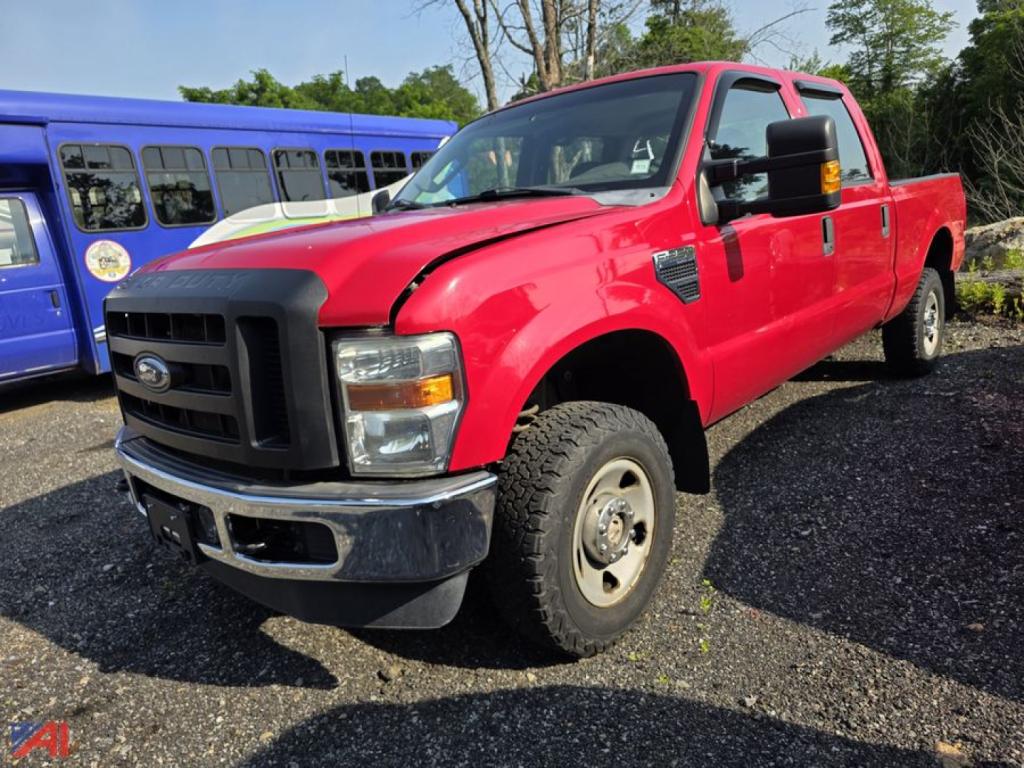
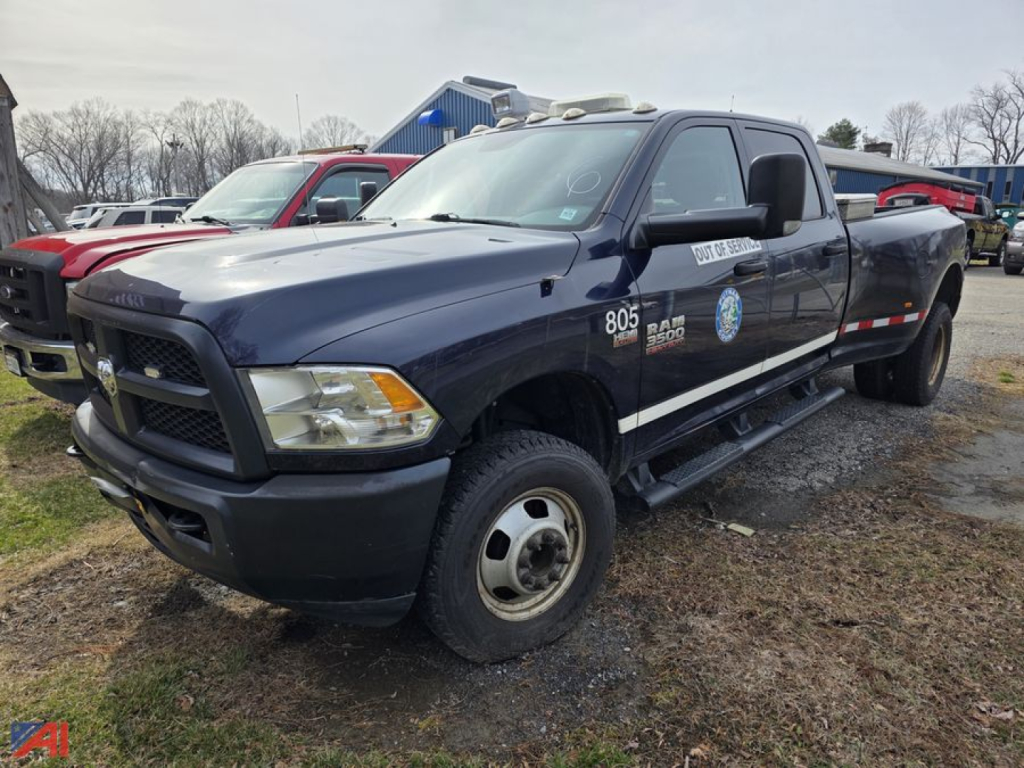
Have truck to sell? List it here to reach thousands of buyers.
Trucks Near Carmel, New York
A buyer comparing trucks in this class should look closely at how the truck was used and where it worked. Municipal and fleet-maintained trucks can offer consistent service histories, but they may also show high idle time, corrosion from winter road treatment, and wear in hydraulic or vacuum systems. In a New York market, frame condition, cab mounts, brake lines, spring hangers, crossmembers, and electrical connections deserve a close inspection. If the truck carries auxiliary systems such as booms, tanks, pumps, chip bodies, or broom assemblies, check operating hours, PTO engagement, hydraulic leaks, hose condition, and the availability of replacement components.
Spec decisions depend on the job. For local hauling and property maintenance, buyers often focus on maneuverability, visibility, and short wheelbase configurations. For utility, tree, sewer, or street maintenance work, attention shifts to body capacity, tool storage, outriggers, tank size, water system design, and compliance-related equipment. Diesel power is common in this segment, with automatic transmissions widely preferred for stop-and-go service. Air brakes, locking differentials, spring or air-ride suspensions, and front axle capacity can all affect how well the truck fits the intended route and payload. If CDL requirements matter to your operation, verify registered weight, actual GVWR, and bridge law implications before making a final comparison.
The broad trucks for sale category also includes many units that are known more by their body type than by the word truck itself, such as vac trucks, tree trucks, sweepers, utility trucks, or bucket trucks. That is why buyers should read past the basic title and confirm the actual configuration, body manufacturer, and installed equipment. A good truck in this category is not just defined by age or miles. It is defined by remaining service life, correctness of spec, parts support, and how efficiently it can be put to work.
Frequently Asked Questions about Trucks Near Carmel, New York
What should I check first when comparing used trucks for sale?
Start with the truck’s intended application and confirm that the chassis matches the job. GVWR, axle ratings, wheelbase, engine, transmission, brake type, and PTO capability should all fit the payload and duty cycle. On vocational trucks, inspect the body and mounted equipment as carefully as the engine and drivetrain because hydraulic systems, tanks, booms, sweep assemblies, and vacuum components can represent a large share of the truck’s value.
Are municipal and fleet trucks a good buy?
They can be, especially when maintenance records are available and service intervals were followed consistently. The tradeoff is that municipal and public works trucks often spend long hours idling, operate in stop-and-go conditions, and see exposure to salt, sand, and seasonal corrosion. Buyers should inspect underbody rust, hydraulic wear, electrical systems, and the condition of all auxiliary equipment before judging value by mileage alone.
How important is wheelbase on a vocational truck?
Wheelbase directly affects maneuverability, body length options, axle loading, and turning radius. A shorter wheelbase can be better for tight urban streets, yards, and municipal routes, while a longer wheelbase may be needed for larger tanks, chip bodies, dump bodies, or service bodies. It also influences driveline angles and weight distribution, so the wheelbase should match both the body and the intended operating environment.
What matters more on a used work truck, miles or hours?
Both matter, but engine hours and PTO hours are often more revealing on vocational equipment. A truck with moderate road miles can still have significant wear if it spent years idling or running hydraulic, vacuum, or sweeping systems. Buyers should compare odometer mileage with engine hours, review the maintenance history, and evaluate wear on the body equipment to get a more accurate picture of remaining life.
Do I need to verify CDL requirements before buying a truck?
Yes. CDL requirements can depend on GVWR, GCWR, air brakes, and how the truck is registered and operated. Some medium-duty trucks stay below common CDL thresholds, while others exceed them once body weight, payload, or towing capacity are considered. Confirm the truck’s ratings and your intended use before purchase so the unit fits your drivers, routes, and compliance needs.