
Used Western Star Cabover Trucks For Sale
Browse used Western Star cabover trucks with details on engines, axle ratings, transmissions, maneuverability, and regional haul applications.
Learn more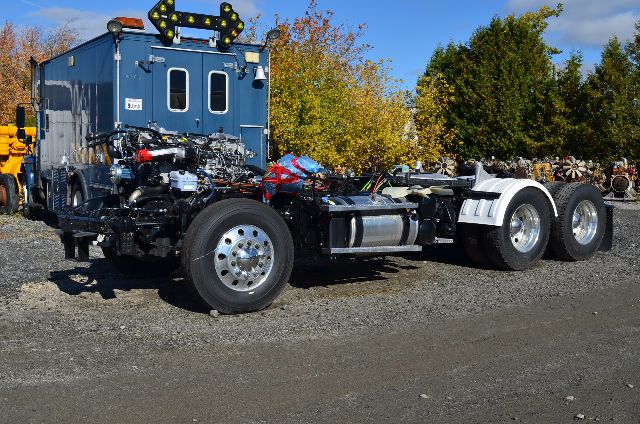
Have used western star cabover truck to sell? List it here to reach thousands of buyers.
About Used Western Star Cabover Trucks
When comparing used Western Star cabovers, start with the drivetrain and axle configuration. Buyers typically focus on engine make, horsepower, transmission type, rear axle ratio, and suspension setup because those specs determine how the truck will handle stop-and-go work, heavier payloads, and highway speeds. Common points to verify include front and rear axle ratings, single-axle versus tandem configuration, tire size, wheel type, and whether the truck has an air ride suspension such as an Airliner setup. If the truck will spend time in tighter service lanes or construction-related environments, frame condition, steering components, cab mounts, and evidence of structural repair deserve a close look.
Western Star is known for building trucks with a heavier-duty feel than many fleet-spec platforms, so used buyers often seek them out for specialized or vocational work rather than purely price-driven replacement cycles. Cabover models can offer excellent access in congested yards, but they also put more emphasis on cab condition, noise insulation, cooling performance, and service access around the engine cover. On a used unit, inspect the cab thoroughly for collision history, roof and corner damage, floor integrity, door fitment, and signs of prior cab repairs. This is especially important on any truck described as damaged or showing structural issues, since cabover design concentrates a lot of value and safety structure in the cab itself.
The right used Western Star cabover truck depends on route length, trailer type, legal length requirements, and how much priority you place on maneuverability versus ride comfort. A higher-horsepower Detroit diesel paired with a 12-speed transmission and deeper rear ratio may suit heavier regional or vocational pulls, while lighter single-axle configurations can make sense for shorter hauls and specialized local work. Buyers should also consider parts support, emissions system history, brake and suspension wear, and the quality of any prior fleet maintenance records before making a final decision.
Frequently Asked Questions
What is the main advantage of a Western Star cabover truck?
The main advantage is packaging efficiency. A Western Star cabover truck places the cab over the engine, which shortens the overall chassis length and improves maneuverability in tight operating environments. That shorter wheelbase can be a major benefit for city routes, industrial yards, port drayage, and vocational jobs where turning space is limited.
What should I inspect first on a used cabover truck?
Start with cab condition, frame integrity, and drivetrain specifications. On a cabover, collision damage and structural repairs around the cab are especially important because the cab contains much of the truck's front structure and driver environment. Buyers should also review engine history, transmission operation, axle ratings, suspension wear, and any signs of previous structural damage or poor-quality repairs.
Are Western Star cabover trucks good for heavy-duty work?
They can be, but the answer depends on the specific axle ratings, suspension, engine, and intended application. Western Star has a reputation for robust vocational-oriented construction, and a properly spec'd cabover can handle demanding regional or site-based work. The truck still needs to be matched to payload, terrain, trailer type, and duty cycle, especially when comparing single-axle and tandem-axle setups.
How do I choose the right transmission and rear axle ratio in a used cabover?
Match the gearing to the truck's real operating speed and load profile. A 12-speed transmission can offer flexibility for mixed highway and vocational work, while the rear axle ratio affects launch performance, gradeability, and cruise RPM. Buyers hauling heavier loads or running in stop-and-go service often prefer gearing that favors pulling power over top-speed efficiency.
Is a used damaged cabover truck worth buying?
A damaged cabover truck can make sense for parts, a rebuild candidate, or a buyer with in-house repair capability, but it requires careful evaluation. Structural damage to the cab, mounting points, or frame can turn a low purchase price into a costly project. The repair estimate should account for cab structure, safety systems, alignment, cooling components, and the availability of replacement parts before the truck is considered economically viable.