
Used Peterbilt Cabover Sleeper Trucks For Sale
Shop used Peterbilt cabover sleeper trucks. Compare sleeper sizes, axle setups, powertrain specs, and road-ready long-haul features.
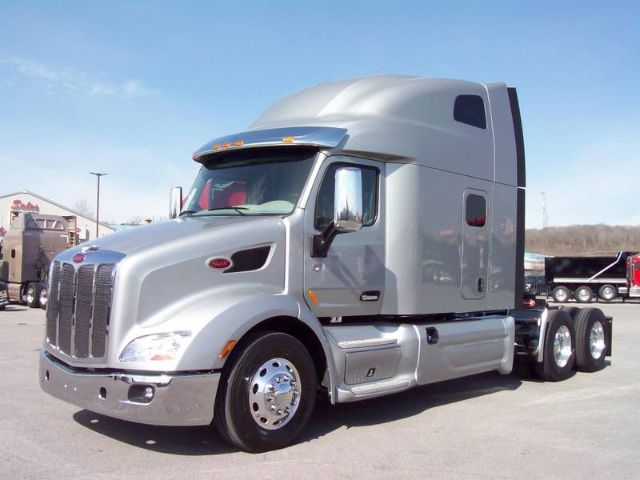
Have used peterbilt cabover sleeper truck to sell? List it here to reach thousands of buyers.
Used Peterbilt Cabover Sleeper Trucks
The first buying decision is usually sleeper size and chassis layout. Some Peterbilt cabover sleepers were spec'd for regional work with compact bunks, while others were built for longer runs with larger sleepers, more storage, and heavier driveline components. Check axle ratings, wheelbase, suspension type, and fifth wheel position to make sure the truck matches the trailer spread and kingpin settings in your operation. Buyers should also pay close attention to cab entry, engine access, and service records, since cabover maintenance differs from a conventional hood truck and proper upkeep has a direct effect on downtime.
Powertrain specs vary widely in this category, especially on older used units. Common points to verify include engine make, horsepower, torque rating, transmission type, rear axle ratio, and whether the truck was spec'd for fuel economy, city maneuvering, or heavier gross weights. Interior condition matters more than many buyers expect because sleeper trucks spend long hours on the road. Look at bunk layout, HVAC performance, insulation, dash condition, and signs of water intrusion around seals or roof openings. Cab mounts, steering feel, brake condition, and front tire wear can also reveal how the truck has been operated and maintained.
A used Peterbilt cabover sleeper can be a strong fit for niche applications where length efficiency and driver comfort need to coexist. The best value usually comes from matching the truck's original vocation to your current freight, then confirming the specs support your trailer fleet, route profile, and maintenance program. For many buyers, the right truck in this class is less about model year alone and more about service history, sleeper configuration, driveline compatibility, and overall structural condition.
Frequently Asked Questions about Used Peterbilt Cabover Sleeper Trucks
What is a Peterbilt cabover sleeper truck best suited for?
A Peterbilt cabover sleeper truck is best suited for operations that need a shorter overall tractor length but still require a sleeper for overnight or multi-day runs. Common applications include regional haul, port and intermodal work, urban freight, and specialized lanes where tight turning radius and wheelbase restrictions matter. The cabover layout can also help fleets maximize trailer length within legal overall length limits in certain operating environments.
What should I inspect first on a used cabover sleeper?
Start with maintenance history, cab structure, and driveline specs. On a used cabover, inspect cab mounts, tilt mechanism condition if equipped, steering components, front axle wear, brake condition, and signs of frame corrosion or previous damage. Inside the sleeper, check bunk hardware, HVAC function, electrical accessories, seal condition, and evidence of leaks. Because service access and cab design differ from conventional trucks, a well-documented maintenance record carries extra weight in this category.
Are cabover sleeper trucks different to drive than conventional sleepers?
Yes. Cabover sleepers typically place the driver farther forward over the front axle, which changes ride feel, entry angle, and maneuvering characteristics. Many drivers like the tighter turning capability and improved visibility in close quarters, but the ride can feel more direct than a conventional hood truck, especially on rough pavement. The sleeper layout is also more compact in many units, so comfort expectations should match the intended route length and duty cycle.
Which specs matter most when comparing used Peterbilt cabover sleepers?
The most important specs are sleeper size, engine horsepower and torque, transmission type, rear axle ratio, axle ratings, wheelbase, and suspension setup. Those details determine how well the truck will handle your freight, trailer configuration, and route profile. Fifth wheel placement is also important because it affects trailer swing clearance, kingpin setting compatibility, and bridge law performance. A truck with the right spec for the job will usually outperform a newer truck with the wrong configuration.