
Cab and Chassis Trucks For Sale
Cab and chassis trucks ready for upfit with proper wheelbase, RBM, axle ratings, PTOs, and corrosion protection to maximize payload and reliability.
Learn moreBrowse Cab and Chassis Trucks by Make
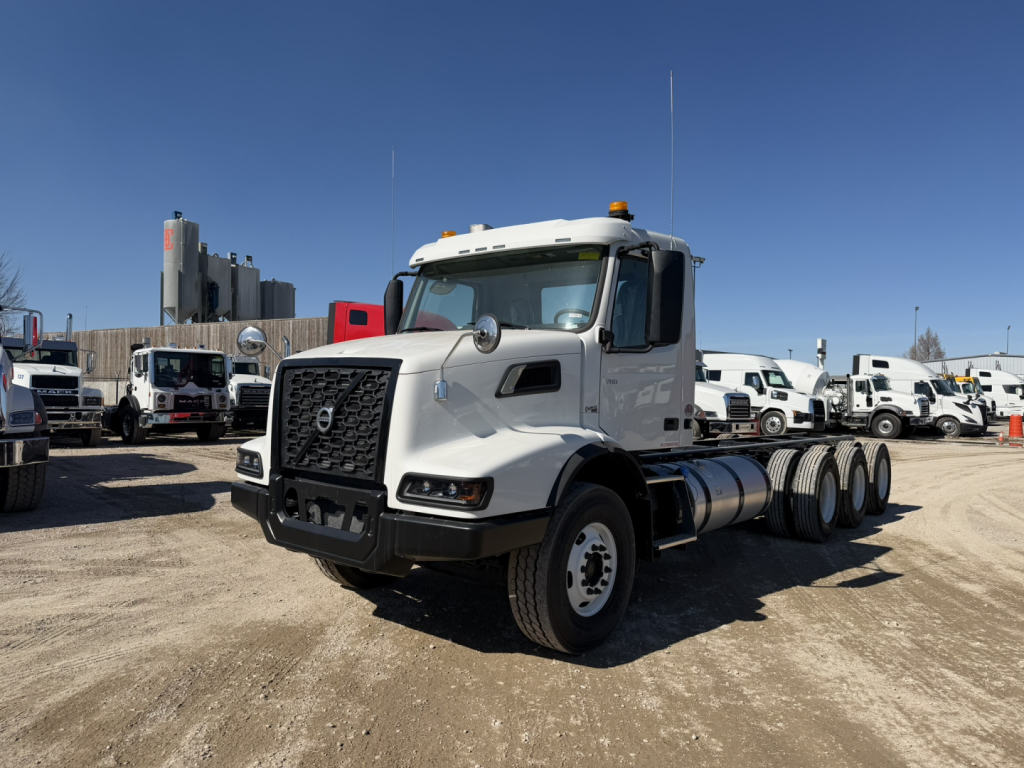
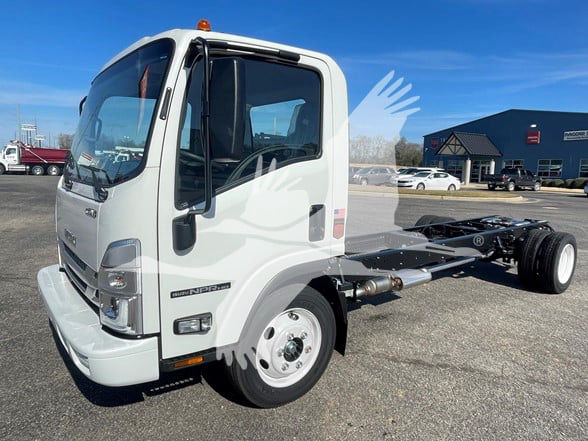
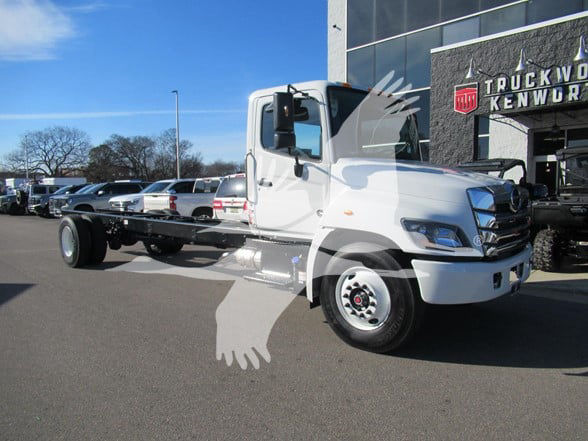
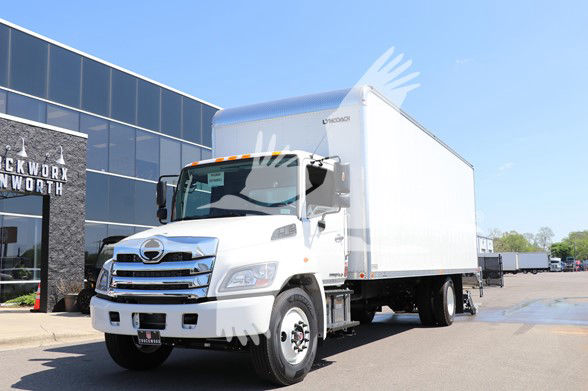

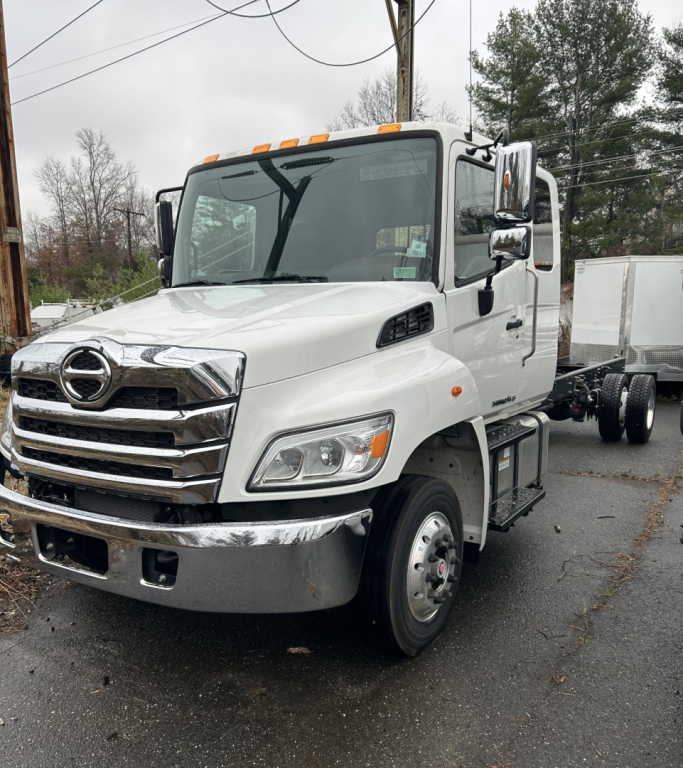
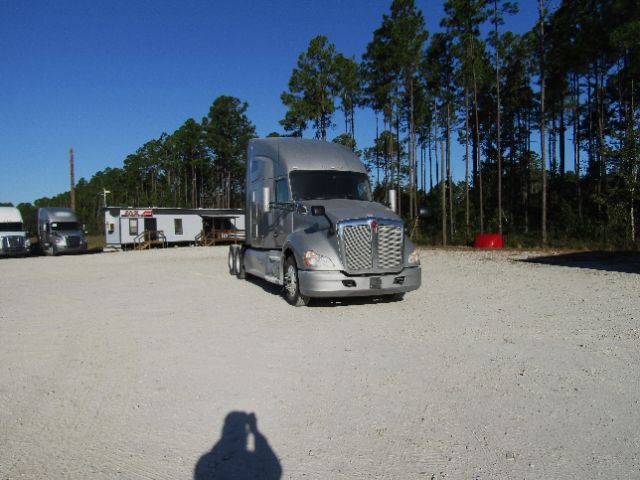
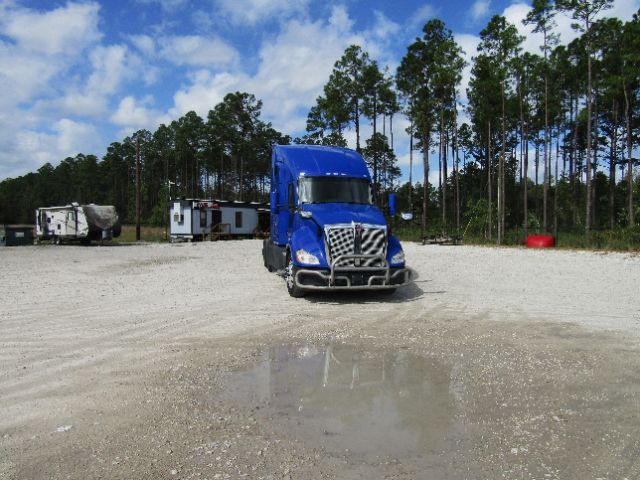
Showing 97 to 108 of 139 results
Have cab and chassis truck to sell? List it here to reach thousands of buyers.
About Cab and Chassis Trucks
Frame strength drives longevity and body performance. Look at rail yield strength and RBM, not just thickness. Heat treated rails in the 110 to 120 ksi range with high section modulus resist twist from hoists and torsion from cranes, and double frame or insert rails are prudent for severe service dumps, refuse, and high center of gravity bodies. Huck bolted crossmembers, factory drilled body mount holes, and reinforced rear frame extensions prevent cracking. Corrosion resistance depends on e coated or powder coated frames, waxed inner rails, sealed electrical connectors, and stainless or aluminum hardware in salt belt duty. A clean back of cab option that relocates aftertreatment, air dryers, and battery boxes reduces body interference and avoids field drilling that can compromise coatings.
Powertrain and thermal integrity affect both uptime and upfit flexibility. Match engine displacement and torque to startability and gradeability targets, then select transmission ratios and an appropriate rear axle ratio to keep the engine in its sweet spot under load. If you need hydraulics, verify PTO provision on the engine or transmission, available PTO horsepower and continuous torque, and cooling package size for stationary work. High capacity fan drives, larger radiators, and transmission coolers protect against heat soak during PTO operation. Aftertreatment layout matters, vertical exhaust stacks and heat shields keep DPF and SCR components from heating body floors or tool compartments, and a clean CA package simplifies heat management around outriggers and hoists.
Tare weight is the other side of payload and stability. Aluminum wheels, aluminum fuel tanks, and air ride suspensions can trim weight, but do not underspec rails or axles for short term savings. Front GAWR must cover plows, winches, and bumper equipment, while rear axle and suspension ratings must match body, payload, and any towing GCW. Air ride improves ride quality and protects sensitive cargo, mechanical leaf or walking beam suspensions add roll stiffness for cranes and dumps. Air disc brakes shorten stops and reduce fade, ABS with stability control improves traction in wet or uneven yards, and modern cabs offer upfitter switches, remote body builder wiring, and trailer air and electric to the end of frame for tow body work. Choose cab size, visibility packages, and mirrors that suit your route density and driver changes without compromising back of cab clearance for the body.
Frequently Asked Questions
How do I choose the correct cab to axle and wheelbase for my body length?
Start with the body builder’s recommended CA or CT for the specific body and hoist. As a general planning guide, common dry van and service bodies often align with a CA that is roughly the body length minus about 54 inches, though the exact figure depends on bumper to back of cab length, front overhang, axle set forward or set back, and desired load distribution. Verify axle loads with a weight distribution drawing from the body builder, and adjust fuel tank, battery, and DEF locations to maintain legal axle weights with the body installed and full of tools or cargo.
What frame rail strength or RBM do I need for a dump or crane body?
Severe service applications benefit from heat treated rails with high section modulus and RBM. Many medium duty dumps work well with single rails in the 1.2 to 1.8 million in lb RBM range, while heavy dump, refuse, and knuckleboom or stiff leg crane applications often target 2.0 million in lb and higher, sometimes with a double frame or inner liner. The correct spec depends on body length, hoist capacity, crane moment rating, and off road exposure, so pair the OEM’s body builder guide with the body or crane manufacturer’s minimum rail and mounting requirements.
How do aftertreatment and exhaust placement affect upfitting and heat management?
DPF and SCR components generate and retain heat, especially during regeneration. Choose a clean back of cab package that relocates aftertreatment away from the body mount zone when possible, and use vertical exhaust with proper heat shields near tool compartments, tanks, or wood decks. Confirm clearances in the body builder manual, route wiring and hydraulic lines away from hot zones, and, if the truck will see extended PTO idle, consider a larger cooling module and fan drive to control heat soak during stationary work.
Should I spec air ride or spring suspension on a cab and chassis truck?
Air ride improves ride quality, protects sensitive cargo, and allows height control at the dock, which is valuable for van and service bodies. Multi leaf or walking beam spring suspensions provide higher roll stiffness and durability for dumps, cranes, and severe off road use, at the expense of ride comfort and tare weight. Match rear suspension capacity to the intended GVWR and keep an eye on front to rear balance so axle ratings are not exceeded with the body, tools, and fuel onboard.
How can I estimate payload on a cab and chassis before the body is installed?
Payload equals GVWR minus curb weight, but curb weight must include the cab chassis with fuel and DEF, plus the body, hoist, PTO, hydraulic oil, and permanent tools. As a rough guide, a Class 6 cab chassis may weigh 9,000 to 12,000 lb bare, and a Class 8 tandem 16,000 to 22,000 lb bare. Add the body package weight from the manufacturer, then compare the result to GVWR and verify axle by axle. Keep a margin for options such as outriggers, winches, and toolboxes, and remember that lightweight choices like aluminum wheels help, but should not compromise frame or axle durability.