
GMC Cab and Chassis Trucks For Sale
Browse GMC cab and chassis trucks built for upfitting, vocational work, and custom bodies across light, medium, and heavy-duty applications.
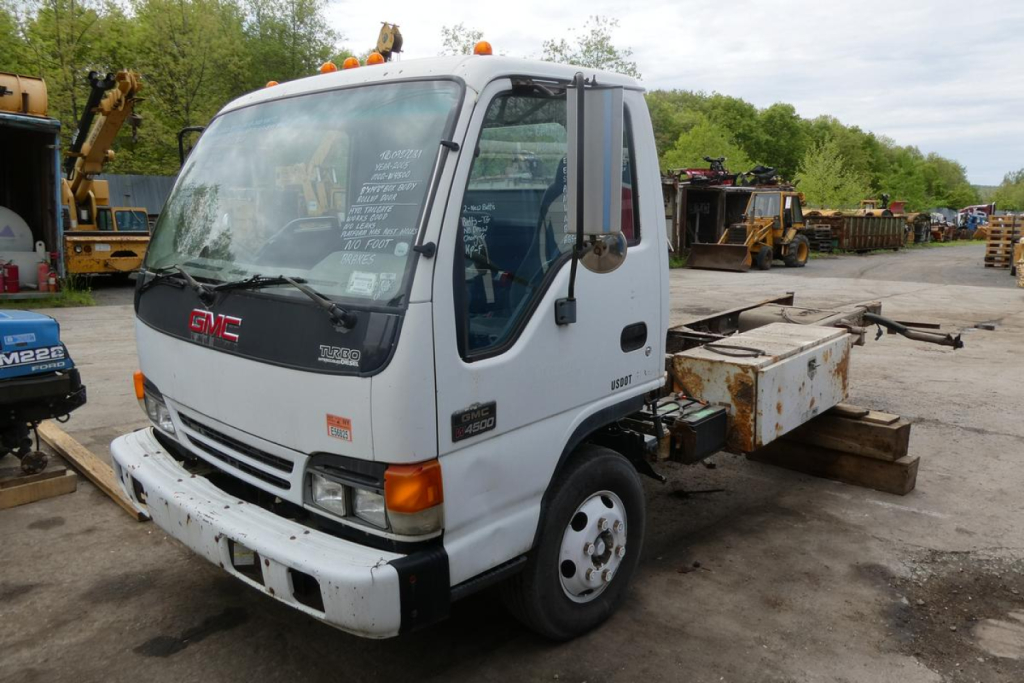
Selling a gmc cab and chassis truck? List your gmc cab and chassis truck for sale and reach thousands of commercial buyers.
GMC Cab and Chassis Trucks
On a GMC cab and chassis, body fitment details matter early. Cab-to-axle and cab-to-end-of-frame measurements determine what body lengths can be mounted without compromising weight distribution. Rear axle ratio, suspension type, and GVWR should be matched to the job cycle, especially if the truck will carry compressors, cranes, tool storage, salt spreaders, or constant payload. Buyers should also look closely at PTO provision, electrical upfitter switches, fuel tank placement, frame drill patterns, and dual rear wheel setup when a vocational body is part of the plan.
Older GMC cab and chassis trucks, including classic units from the 1970s and 1980s, still appeal to buyers needing a simple mechanical platform for restoration, farm use, light commercial work, or custom builds. On these trucks, condition of the frame rails, spring hangers, steering components, brake system, and electrical wiring is often more important than cosmetic appearance. Rust around the cab mounts, rear crossmembers, and body mounting surfaces can directly affect upfit cost and long-term durability.
A good GMC cab and chassis truck should be evaluated as a foundation, not as a finished truck. Buyers typically compare engine type, transmission, axle ratings, brake configuration, wheelbase, and intended body application before narrowing down options. If the goal is a clean upfit with predictable operating costs, the best choice is usually the one with the right frame dimensions and weight ratings for the body, not simply the lowest-mile or lowest-price unit.
Frequently Asked Questions about GMC Cab and Chassis Trucks
What is a GMC cab and chassis truck used for?
A GMC cab and chassis truck is used as a platform for installing a vocational or commercial body. Common applications include utility trucks, flatbeds, dump trucks, service trucks, box bodies, tow bodies, and municipal equipment. The truck is sold with the cab and frame in place so the buyer or upfitter can match the chassis to a specific job.
What specs matter most when buying a GMC cab and chassis?
The most important specs are GVWR, wheelbase, cab-to-axle dimension, rear axle rating, frame strength, and engine and transmission pairing. These determine what body can be installed, how the truck will carry weight, and whether the finished unit will perform correctly in daily service. Buyers planning an upfit should also confirm PTO capability, suspension setup, and brake configuration.
How is a cab and chassis different from a pickup or straight truck?
A cab and chassis leaves the frame exposed behind the cab so a custom body can be installed. A pickup already has a factory bed, and a straight truck usually already has a completed body such as a van body, dump body, or flatbed. Cab and chassis models give buyers more flexibility when they need a truck tailored to a specific trade or payload requirement.
What should I inspect on an older GMC cab and chassis truck?
On an older GMC cab and chassis truck, inspect the frame rails for corrosion, cracks, extra drilled holes, and previous repair work. Check the steering, suspension, brakes, wiring, and fuel system, especially if the truck has been parked or used seasonally. Cab mounts, crossmembers, spring hangers, and rear frame sections are critical because those areas directly affect safety and body installation.