
Used Cab and Chassis Trucks For Sale in Texas
Browse used cab and chassis trucks in Texas with insights on GVWR, wheelbase, PTO setup, engine options, and body upfit compatibility.

Have used cab and chassis truck to sell? List it here to reach thousands of buyers.
Used Cab and Chassis Trucks in Texas
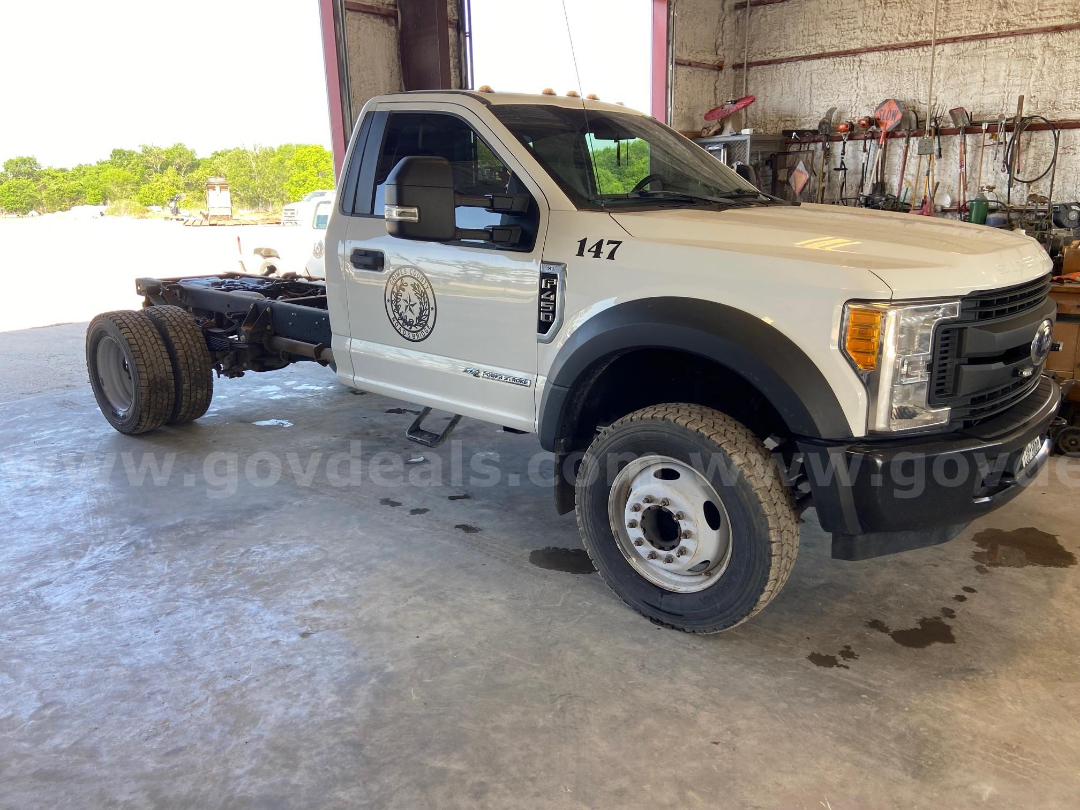
Common used cab and chassis trucks range from Class 3 models like Ford F-450 and similar medium-duty platforms up through Class 6, 7, and 8 units from makers such as International, Kenworth, Freightliner, Peterbilt, and Ford. Buyers should match GVWR and rear axle rating to the intended body and payload, then confirm cab-to-axle and cab-to-end-of-frame dimensions for body fitment. Frame rail condition is especially important on a used chassis because prior upfits, drilled holes, corrosion, or repairs can limit future body installation. PTO provisions, transmission type, fuel tank placement, exhaust routing, and battery box location also affect how easily the chassis can be repurposed. If the truck will carry hydraulic equipment, verify PTO compatibility at both the transmission and engine speed range required by the application.
Powertrain choice depends on route profile and body type. Diesel engines remain common in medium-duty and severe-duty cab and chassis trucks because they deliver torque for loaded starts, PTO work, and sustained highway operation. Automatic transmissions are popular in municipal and pickup-and-delivery fleets, while some heavier vocational applications still prioritize driveline specifications around durability and PTO performance. Suspension matters too. Spring suspensions are common for durability and payload support, while air ride can help protect sensitive cargo or equipment. In Texas, cooling system condition, air conditioning performance, and tire condition deserve extra attention because heat, long distances, and rough secondary roads can accelerate wear.
A good used cab and chassis truck is not just a truck that runs well. It is a truck whose dimensions, ratings, and frame configuration line up cleanly with the body you plan to install. Buyers should review wheelbase, axle spacing, frame height, brake type, and any existing wiring or hydraulic remnants from a previous body. Service history, engine hours if available, and signs of municipal or contractor use can tell you a lot about remaining life. When the chassis is correctly spec'd, a used cab and chassis can be one of the most efficient ways to put a purpose-built work truck into service without paying for a body configuration that does not fit your operation.
Frequently Asked Questions about Used Cab and Chassis Trucks in Texas
What is a cab and chassis truck used for?
A cab and chassis truck is a stripped vocational platform designed to receive a custom body or work package. Common upfits include flatbeds, service bodies, dump bodies, box vans, tow bodies, hooklifts, utility bodies, and tank setups. Buyers choose this configuration when they need a truck built around a specific job rather than a factory-finished body style.
What measurements matter most when buying a used cab and chassis?
The key measurements are GVWR, wheelbase, cab-to-axle, and cab-to-end-of-frame. These dimensions determine what body length will fit, how weight will be distributed across the axles, and whether the completed truck will meet legal and operational requirements. Buyers should also confirm frame rail spacing, frame height, and the location of tanks, batteries, DEF components, and exhaust because those details can affect upfit cost.
Is a used cab and chassis a good choice for a dump truck or flatbed build?
Yes, if the frame, axle ratings, and wheelbase are correct for the intended body and payload. A dump build typically requires enough rear axle capacity, PTO compatibility, and a frame suitable for hoist installation. A flatbed build is usually simpler, but buyers still need to check frame length, tie-down needs, and any rear suspension limitations. The best chassis for either job starts with body compatibility, not just engine size.
What should I inspect on a used cab and chassis before buying?
Focus on frame condition, previous upfit modifications, driveline health, suspension wear, brake system type and condition, and any electrical or hydraulic leftovers from a removed body. Inspect for extra frame holes, welded repairs, corrosion, and crossmember damage. It is also important to verify engine performance, transmission operation, PTO provisions, and cooling system condition, especially in hot-weather service areas like Texas.
Are diesel cab and chassis trucks better for vocational work?
Diesel trucks are often preferred for medium-duty and heavy-duty vocational work because they provide strong low-end torque, good loaded performance, and durability under PTO or stop-and-go service. That does not mean every operation needs diesel. The right choice depends on payload, route length, idle time, body equipment, and maintenance capability. For heavier bodies and frequent loaded operation, diesel is still the standard choice in much of the market.