
Used Cab and Chassis Trucks For Sale in Louisiana

Have used cab and chassis truck to sell? List it here to reach thousands of buyers.
Used Cab and Chassis Trucks in Louisiana
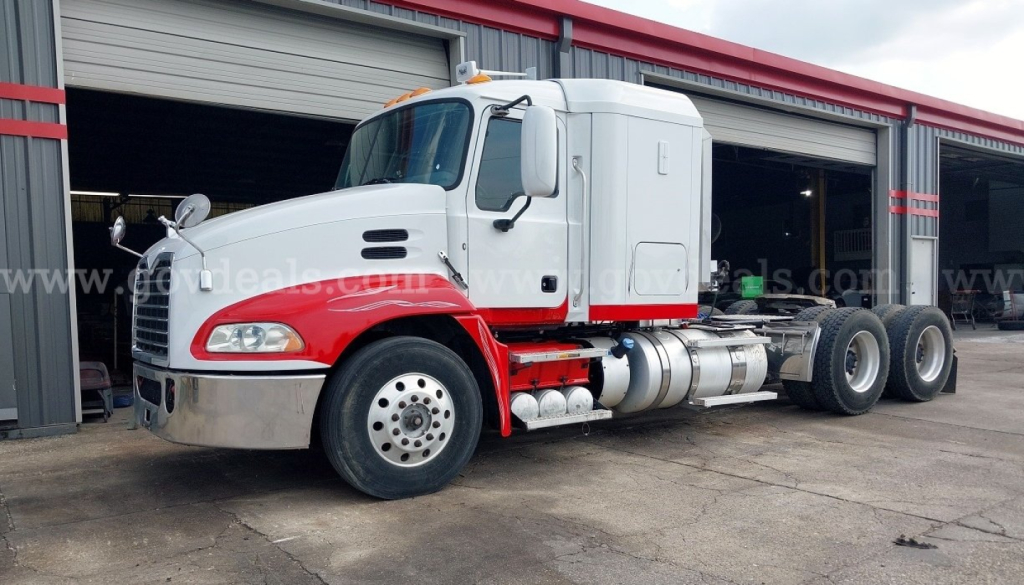
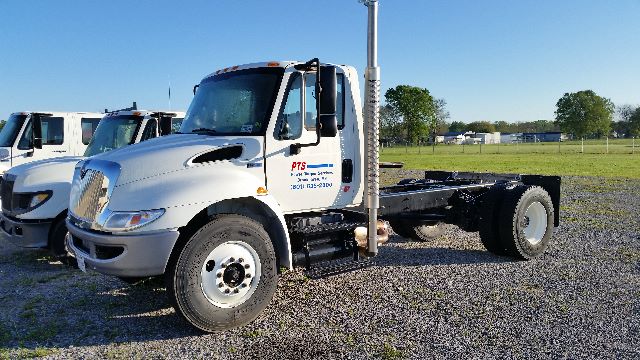
The key buying decision is matching the chassis to the intended upfit. A shorter wheelbase can improve maneuverability in urban delivery, municipal work, and tight job sites, while a longer wheelbase supports larger van bodies, mechanics bodies, or higher-capacity rollback and flatbed applications. Common specs to compare include single-axle versus tandem-axle configuration, diesel engine displacement, automatic versus manual transmission, PTO compatibility, suspension type, and front and rear axle ratings. On medium-duty models such as an International 4300, buyers often look at Class 6 or Class 7 GVWR ranges for local delivery and utility work. On heavier tandem units like a Mack Pinnacle or similar highway-based chassis, the focus shifts to bridge compliance, body length potential, and durability for heavier vocational use.
Used condition matters more on a cab and chassis than on many other truck types because the frame is the foundation of the entire investment. In Louisiana, humidity, flooding exposure, and coastal conditions make frame corrosion, crossmember condition, wiring integrity, and air system health especially important. Check for prior body removal, extra frame holes, cut or relocated wiring, and evidence of PTO or hydraulic setup changes. Buyers should also confirm cab-to-axle measurement, frame height, and rear overhang so the truck matches the body manufacturer’s requirements. If the truck already has a fifth wheel or tractor history, verify whether frame modifications will be needed before converting it to a straight truck application.
Powertrain and service history can make the difference between a workable chassis and an expensive rebuild. Look closely at engine hours, emissions system maintenance, transmission operation, suspension wear, brake condition, and tire age along with tread depth. A used cab and chassis with the right wheelbase, clean rails, and correct axle ratings is usually more valuable than a lower-priced truck that needs extensive frame or electrical correction before the upfit can even begin. For many buyers, the best unit is not the newest one. It is the chassis that is correctly spec'd for the body, compliant for the route, and straightforward for the upfitter to put to work.
Frequently Asked Questions about Used Cab and Chassis Trucks in Louisiana
What is a cab and chassis truck used for?
A cab and chassis truck is a bare commercial truck chassis sold with the cab, frame rails, drivetrain, and axles but without the final body installed. It is used as the foundation for vocational upfits such as dry van bodies, refrigerated bodies, flatbeds, dump bodies, utility bodies, wreckers, and service trucks. The value of this configuration is flexibility, because the buyer can match the truck to a very specific job rather than paying for a body that does not fit the application.
What measurements matter most when buying a used cab and chassis truck?
The most important measurements are wheelbase, cab-to-axle, cab-to-end-of-frame, and frame rail height. These dimensions determine body length, weight distribution, and whether the truck can accept a specific upfit without costly modifications. Buyers should also confirm GVWR, front and rear axle ratings, and suspension capacity, because the body builder will use those numbers to determine if the completed truck will be safe and legal at its intended payload.
Can a former tractor be converted into a cab and chassis truck?
Yes, some former road tractors can be converted into cab and chassis trucks, but the process requires careful inspection. The frame may need shortening or extension, the fifth wheel assembly may need removal, and wiring, air lines, and crossmembers often need reworking for the new body. Before buying, confirm the frame has not been weakened by previous modifications and make sure the axle placement, frame rail dimensions, and drivetrain specs still fit the intended straight-truck application.
What should buyers in Louisiana inspect on a used chassis?
Louisiana buyers should pay close attention to corrosion, water exposure, and electrical condition. Moisture and coastal air can affect frame rails, brake components, connectors, lighting circuits, and air system hardware. It is also smart to inspect for flood history, rust between frame components, seized suspension parts, and signs that the truck sat unused for long periods. A clean-looking cab does not always mean the chassis and underbody are in the same condition.
Is a single-axle or tandem-axle cab and chassis better?
The better choice depends on payload, body size, and operating route. Single-axle cab and chassis trucks are typically easier to maneuver, lighter, and more economical for local delivery, utility service, and medium-duty body applications. Tandem-axle trucks support heavier payloads and larger bodies, and they are better suited for severe-duty work, heavier equipment hauling, and applications where rear axle capacity is the deciding factor. The right answer comes from the completed truck weight, not just the base chassis price.