
Cab and Chassis Trucks For Sale in South Carolina
Browse cab and chassis trucks for sale in South Carolina. Compare wheelbase, GVWR, axle setup, and PTO-ready specs for upfit work.
Learn more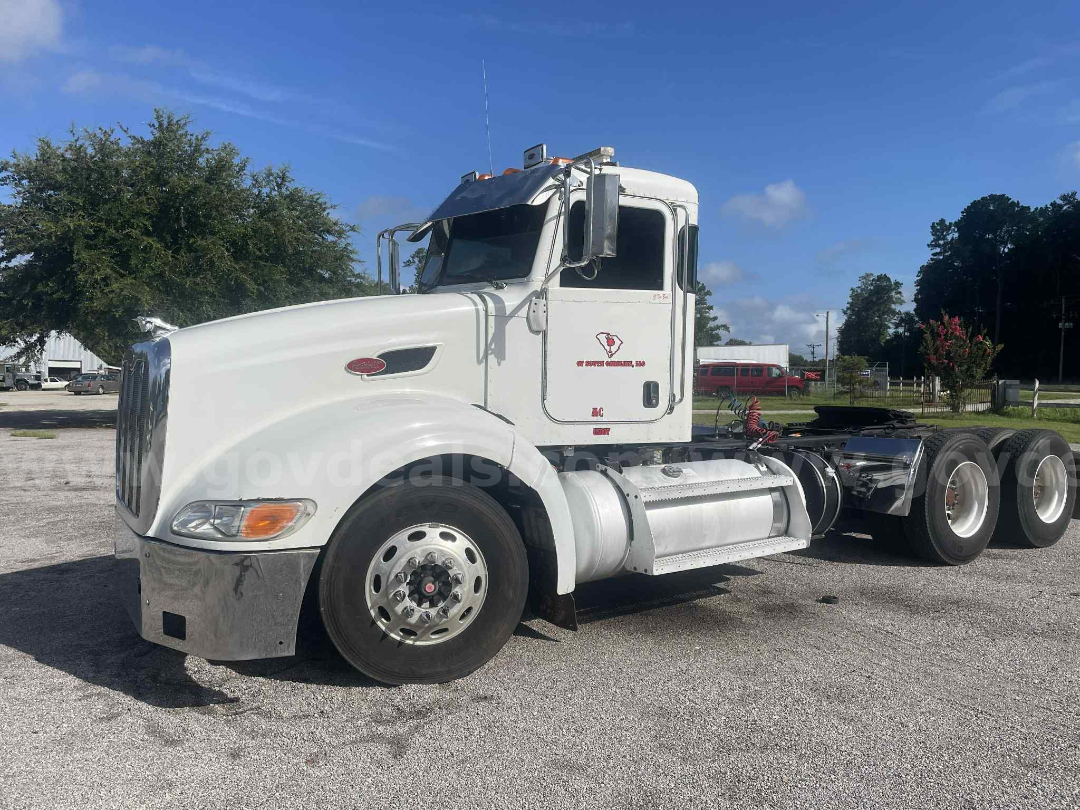
Have cab and chassis truck to sell? List it here to reach thousands of buyers.
About Cab and Chassis Trucks in South Carolina
The most important fitment issue is frame and chassis compatibility. Cab and chassis trucks are typically offered with clear frame rails behind the cab so an upfitter can mount the body and any auxiliary equipment. Buyers should verify cab-to-axle measurement, rear axle rating, frame section modulus, and whether the truck is single-axle or tandem-axle. PTO provisions matter if the body will run hydraulics for a dump, crane, or recovery system. Suspension type, fuel tank placement, exhaust routing, and battery box location also affect what bodies can be installed and how clean the finished build will be.
Powertrain selection depends on the job cycle. Diesel engines remain common for heavier GVWR classes and high-mile vocational work, especially where torque and durability matter. Medium-duty and heavy-duty cab and chassis models may be spec'd with automatic or automated transmissions, locking rears, and gearing suited to stop-and-go service or low-speed jobsite work. Front axle capacity, brake type, and turning radius are worth close attention, especially for municipal fleets and contractors working in tighter urban or residential areas. Buyers comparing used trucks should also inspect frame condition, idle hours, PTO operation, and any prior drilling or modifications that could affect a new body installation.
In a market like South Carolina, corrosion exposure is often less severe than in heavy road salt regions, but body-builder specs still matter. A good cab and chassis should be easy to upfit, correctly rated for the finished load, and practical to service over the long term. Looking past the cab badge and focusing on usable frame length, weight distribution, and application-specific spec will usually lead to a better truck than simply chasing horsepower or model year. Also known as a chassis cab, this category is best evaluated by how well it supports the body and job it is intended to carry.
Frequently Asked Questions
What is the difference between a cab and chassis truck and a regular truck?
A cab and chassis truck is built as an incomplete vehicle with a cab up front and bare frame rails behind it so a body can be installed. A regular truck such as a factory pickup or a completed box truck already has its bed or body in place. Cab and chassis models are intended for vocational upfits, so dimensions like cab-to-axle length, frame rail spacing, and PTO capability are much more important in the buying process.
How do I choose the right wheelbase and cab-to-axle length for a cab and chassis truck?
The correct wheelbase and cab-to-axle measurement depend on the body you plan to install and the final weight distribution. Body manufacturers publish recommended CA dimensions for flatbeds, dumps, van bodies, utility bodies, and wreckers. A truck can have enough frame length and still be a poor fit if axle placement leaves too much rear overhang or creates front axle underloading. Matching the chassis to the intended body before purchase avoids expensive frame modifications later.
Are cab and chassis trucks PTO-ready?
Many cab and chassis trucks can be ordered or equipped with power take-off provisions, but not every unit is automatically ready for hydraulic equipment. PTO compatibility depends on the transmission, engine programming, wiring, and available controls in the cab. If the truck will power a dump body, crane, compressor, or rollback system, confirm PTO opening availability and any required upfitter switches before buying.
What GVWR should I look for in a cab and chassis truck?
The right GVWR depends on the finished body, payload, passengers, tools, and any permanently mounted equipment. Buyers should calculate the completed in-service weight, not just the empty chassis weight. It is common to underestimate how quickly toolboxes, cranes, liftgates, and material loads consume available capacity. Choosing a GVWR with enough margin helps with legal compliance, component life, and real-world usability.
What should I inspect on a used cab and chassis truck before upfitting it?
Start with the frame rails, crossmembers, suspension, axle ratings, brakes, and driveline condition. Look closely for rust scaling, cracks, prior weld repairs, or drilled holes that may interfere with mounting a new body. Confirm that the wheelbase, CA dimension, and frame height match the intended application. On diesel units, review service records, engine hours if available, and verify that PTO controls or body-builder wiring have not been removed or damaged.