
Cab and Chassis Trucks For Sale in Maine
Browse cab and chassis trucks for sale in Maine. Compare GVWR, wheelbase, axle setups, PTO options, and upfit readiness for your job.
Learn moreNo exact matches found for your search
Showing Cab and Chassis Trucks instead.

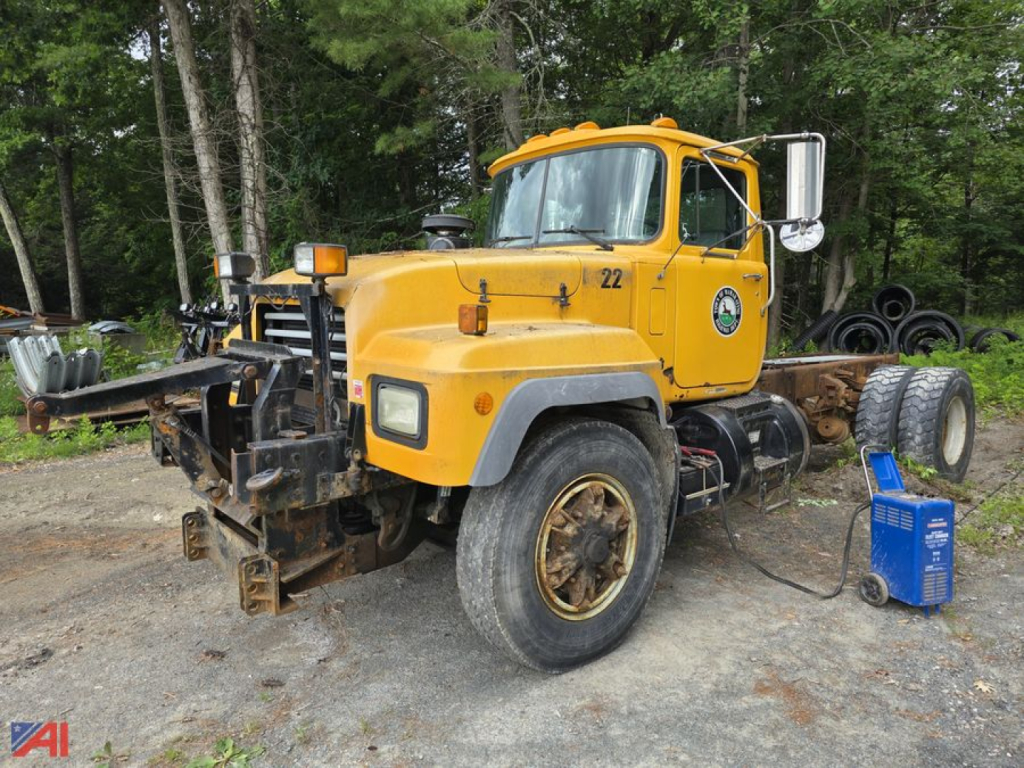
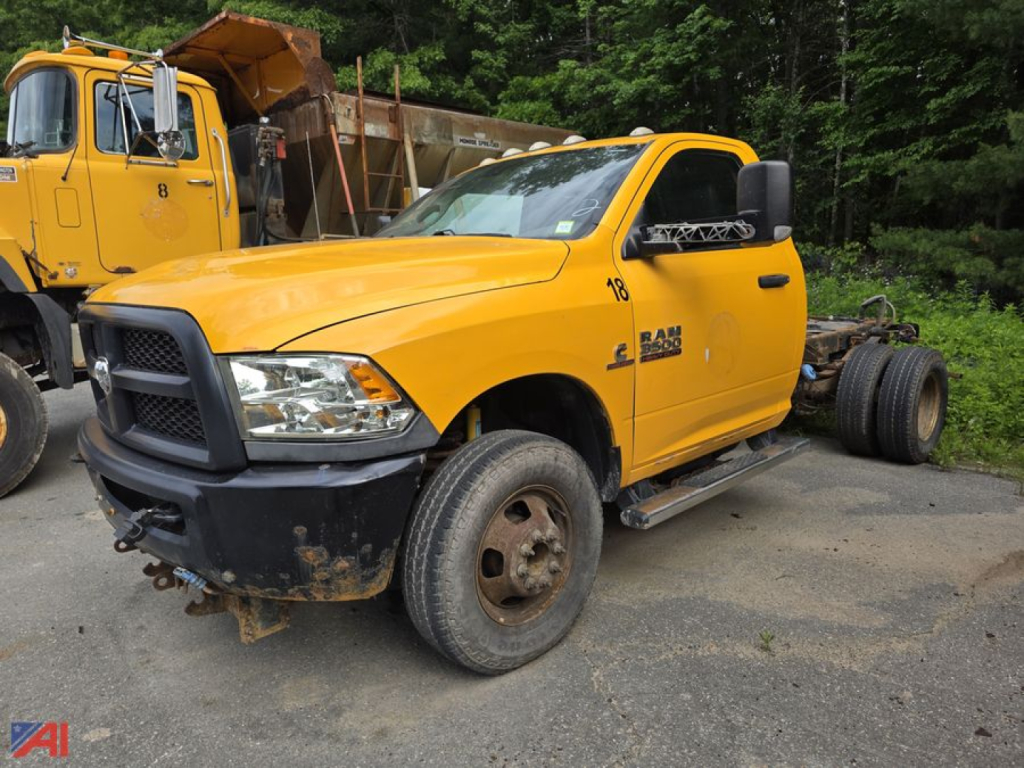
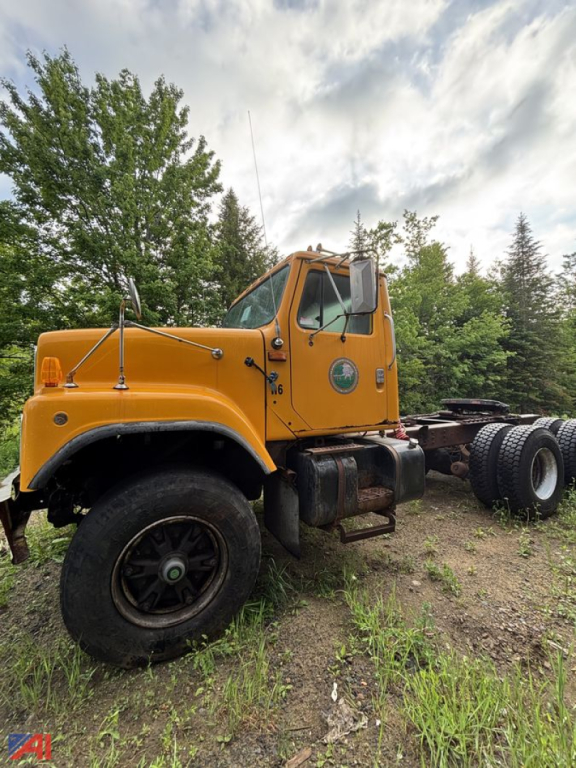
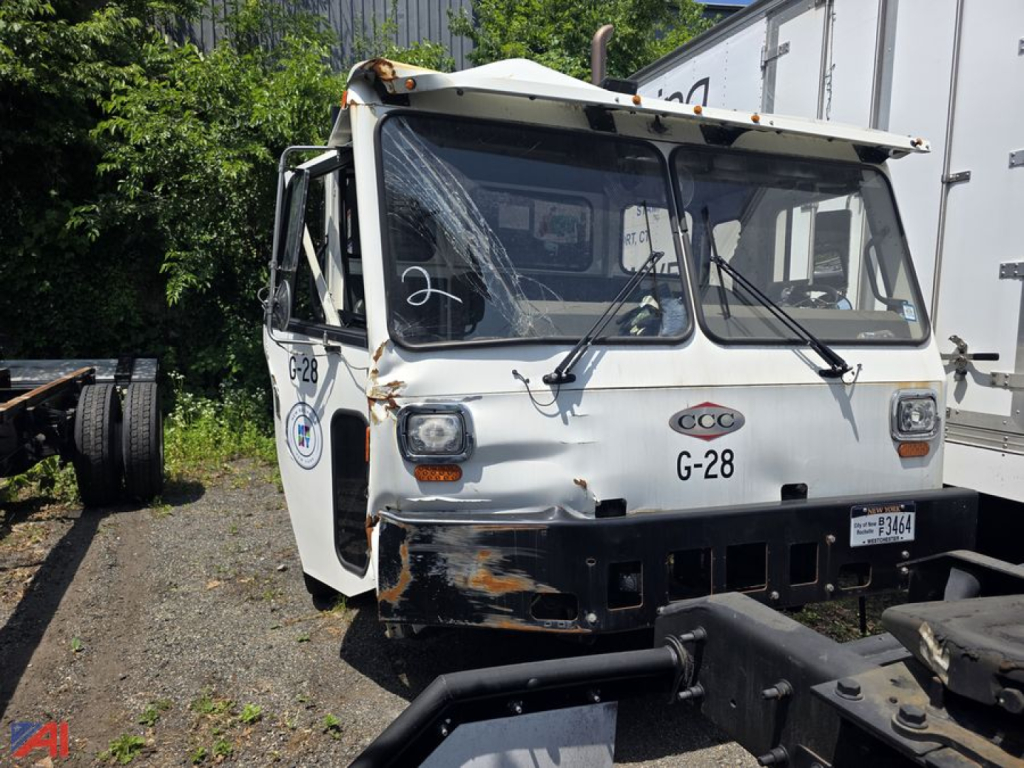
Showing 1 to 12 of 155 results
Have cab and chassis truck to sell? List it here to reach thousands of buyers.
About Cab and Chassis Trucks in Maine
The main buying decisions usually come down to GVWR, wheelbase, cab configuration, and powertrain. Common classes range from medium-duty units used for service bodies and small dumps up to heavier configurations suited for larger vocational bodies. Buyers should confirm frame height, rear axle ratio, suspension type, brake setup, and available PTO openings on the transmission. If the truck is being used for a dump body, hooklift, crane, utility body, or plow package, those details matter as much as engine make or horsepower. On used cab and chassis trucks, it is also smart to inspect frame condition closely, especially for corrosion, prior body mounting holes, crossmember repairs, and any signs the rails were cut, stretched, or reinforced.
In Maine, application matters because trucks often see snow, road salt, rough secondary roads, and municipal duty cycles. That makes rust, electrical condition, and front axle capacity especially important if the chassis may carry a plow or other front-mounted equipment. Many buyers also look for automatic transmissions, diesel engines, locking differentials, and heavier front suspensions for year-round vocational use. If the truck will be upfitted locally, body-builder compatibility is worth checking early, including clear frame space, exhaust routing, DEF tank placement on newer diesels, and any factory body-builder provisions.
A good cab and chassis truck gives the buyer flexibility that a fixed-body truck cannot. It can be built into a dump truck, contractor body, landscape body, stake body, utility truck, service truck, flatbed, rollback, tanker, or specialty municipal unit depending on axle ratings and frame dimensions. The best choice is usually the one that fits the planned body without compromise, has enough payload margin after the upfit is installed, and has a drivetrain spec that matches the route, terrain, and idle time the truck will actually see.
Frequently Asked Questions
What is a cab and chassis truck?
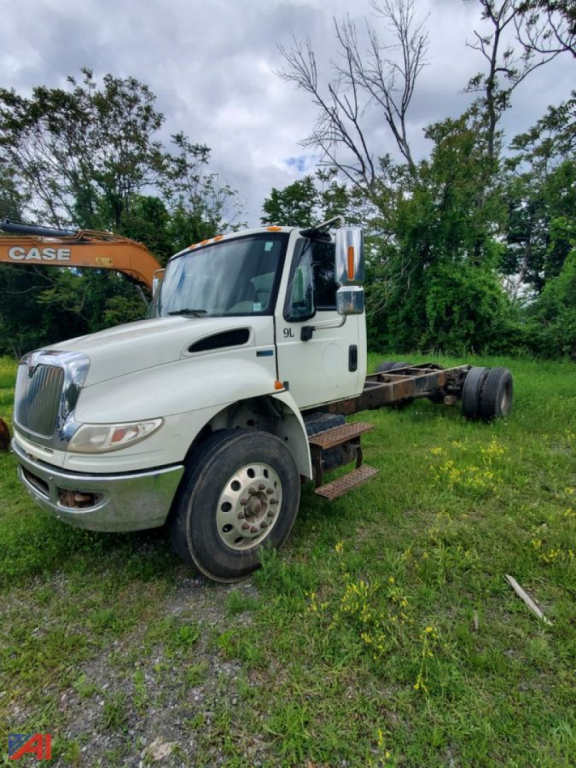
A cab and chassis truck is a truck sold with the cab, frame, engine, transmission, axles, and running gear, but without the final vocational body installed. It is designed to accept an upfit such as a dump body, flatbed, service body, utility body, rollback, or other specialty equipment. Buyers choose this format when they want the truck matched precisely to the work instead of accepting a one-size-fits-all body configuration.
What should I check before buying a used cab and chassis truck?
Start with frame condition, wheelbase, GVWR, axle ratings, and PTO compatibility. Then inspect for rust, prior upfit holes in the frame, cracked or repaired crossmembers, suspension wear, brake condition, and any signs the rails were modified. It is also important to verify that the chassis dimensions and component placement will work with the body you plan to install, especially fuel tanks, exhaust, battery boxes, and emissions equipment.
How do I know what wheelbase I need for a cab and chassis?
Wheelbase should be selected based on the body length, axle placement, and weight distribution required by the upfit. A body installer can usually provide a target cab-to-axle measurement and recommended frame length for the intended build. Choosing the wrong wheelbase can create clearance problems, poor weight balance, or expensive frame modification work, so it is one of the first specs to confirm.
Are cab and chassis trucks good for plow or municipal work in Maine?
They can be an excellent fit for Maine municipal and contractor work if the front axle, suspension, and electrical system are spec'd for the job. Snowplow use adds significant weight to the front end and puts heavy demand on charging systems, hydraulics, and cooling performance. In this region, buyers should pay close attention to corrosion, underbody condition, and whether the truck has the axle capacity and mounting provisions needed for plow or spreader equipment.
What bodies are commonly installed on a cab and chassis truck?
Common upfits include dump bodies, flatbeds, stake bodies, utility bodies, service bodies, landscape bodies, hooklifts, rollbacks, and tank bodies. The right body depends on frame length, axle ratings, PTO needs, and the truck's intended duty cycle. A chassis that works well for a light contractor flatbed may not be suitable for a heavy dump or crane body, so the upfit should always be matched to the chassis specifications.