
2026 Mack Cab and Chassis Trucks For Sale
Shop 2026 Mack cab and chassis trucks with Granite and LR configurations, diesel power, body-ready wheelbases, and vocational upfit flexibility.
Learn more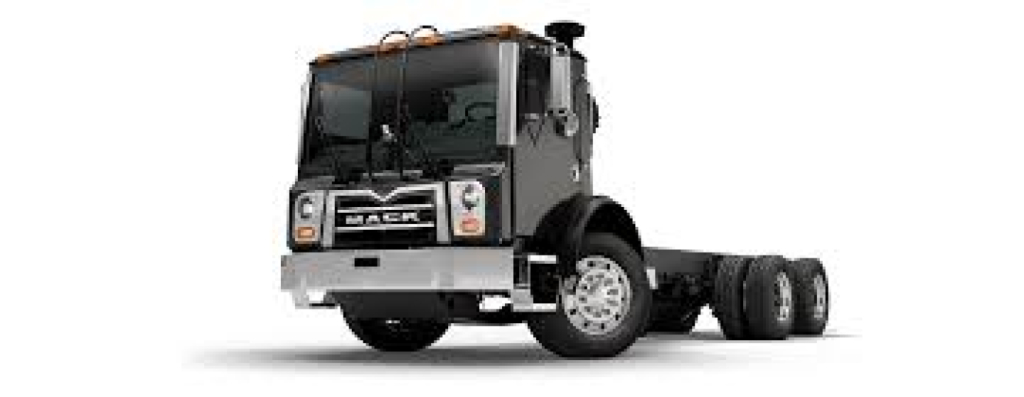
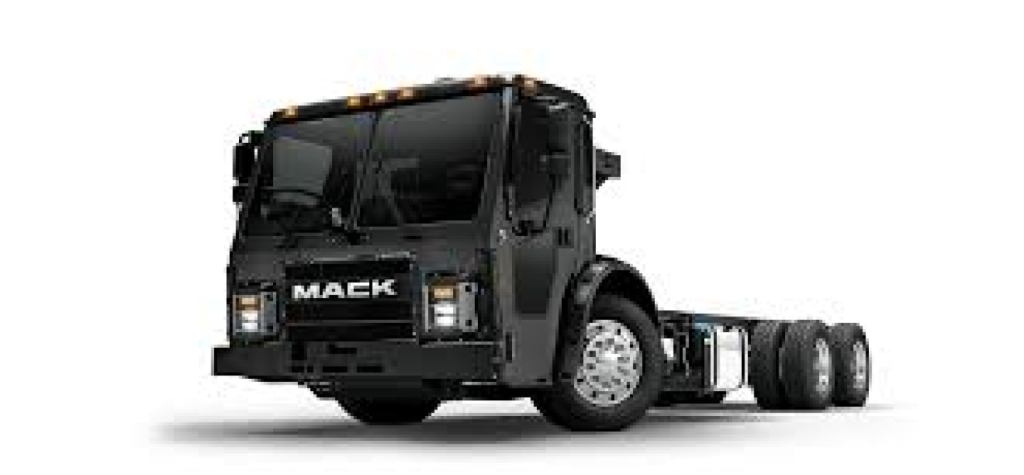
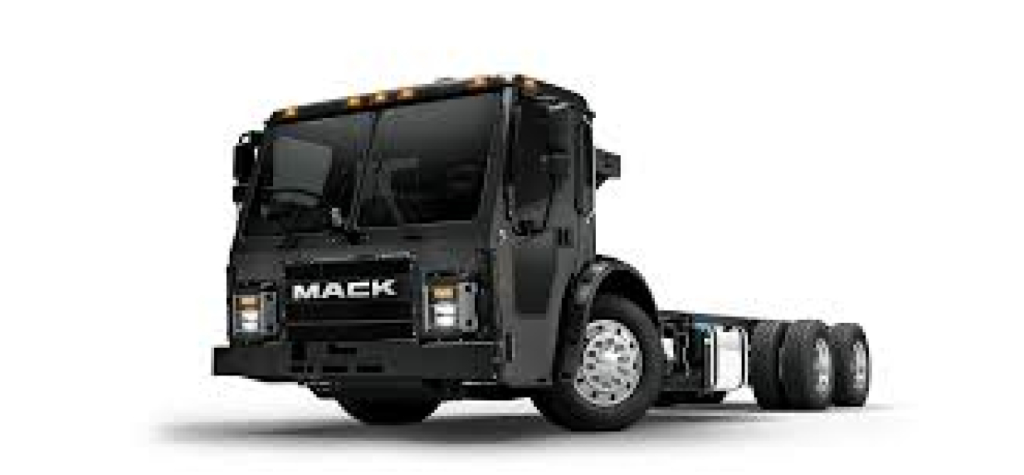

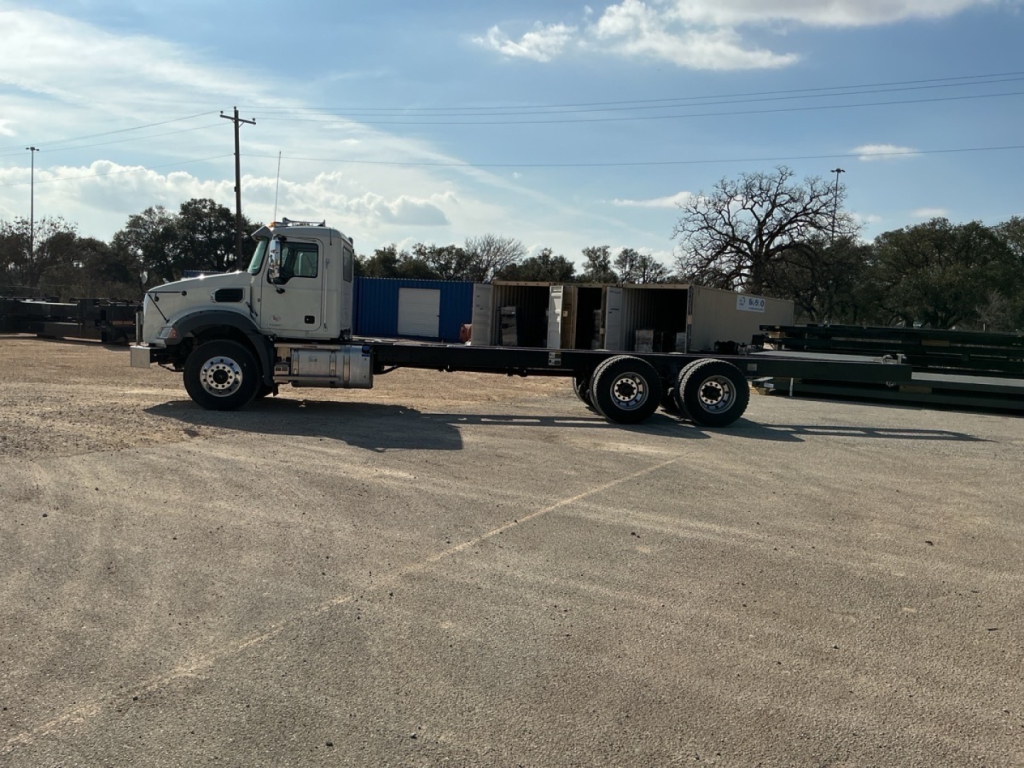
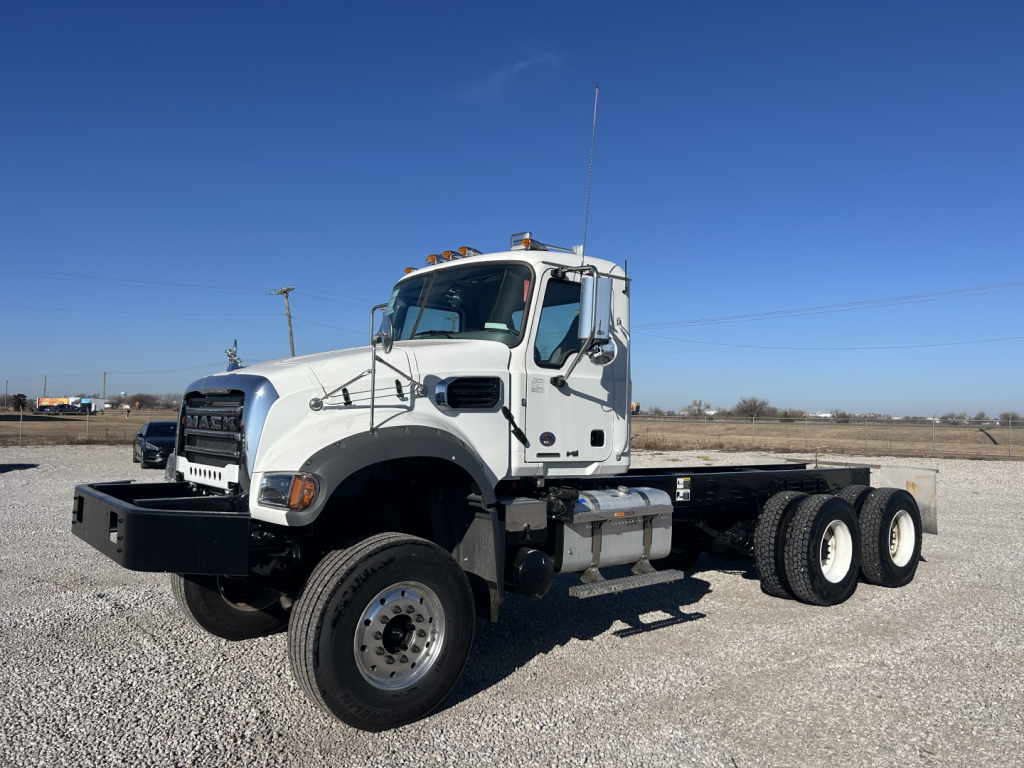
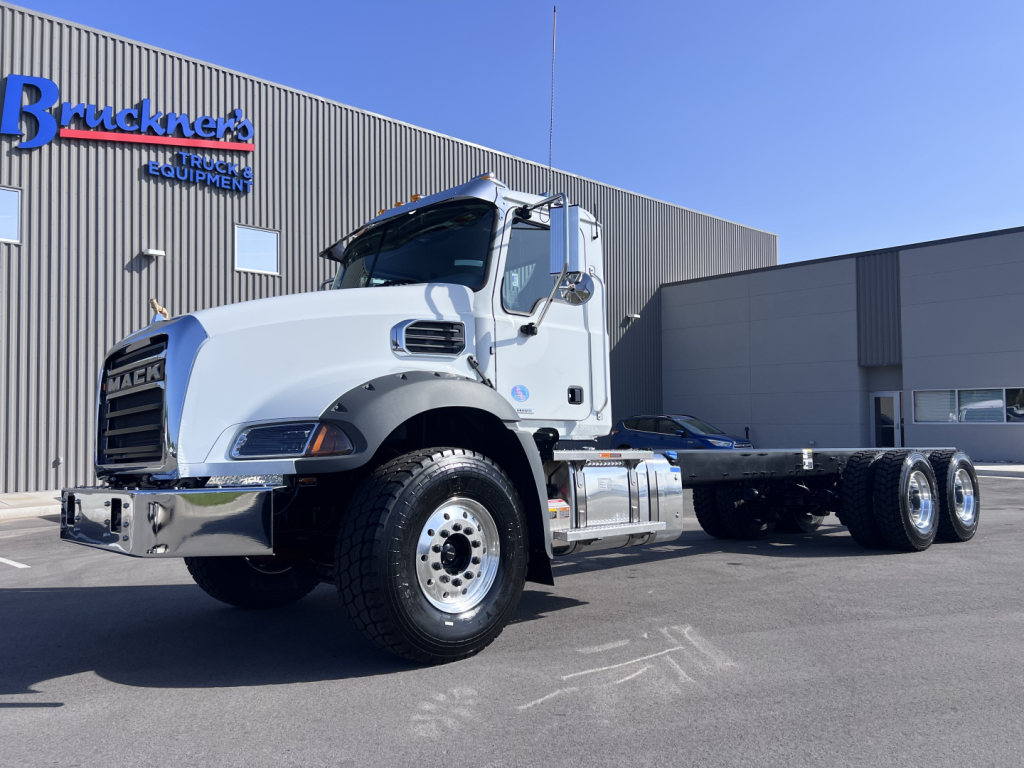
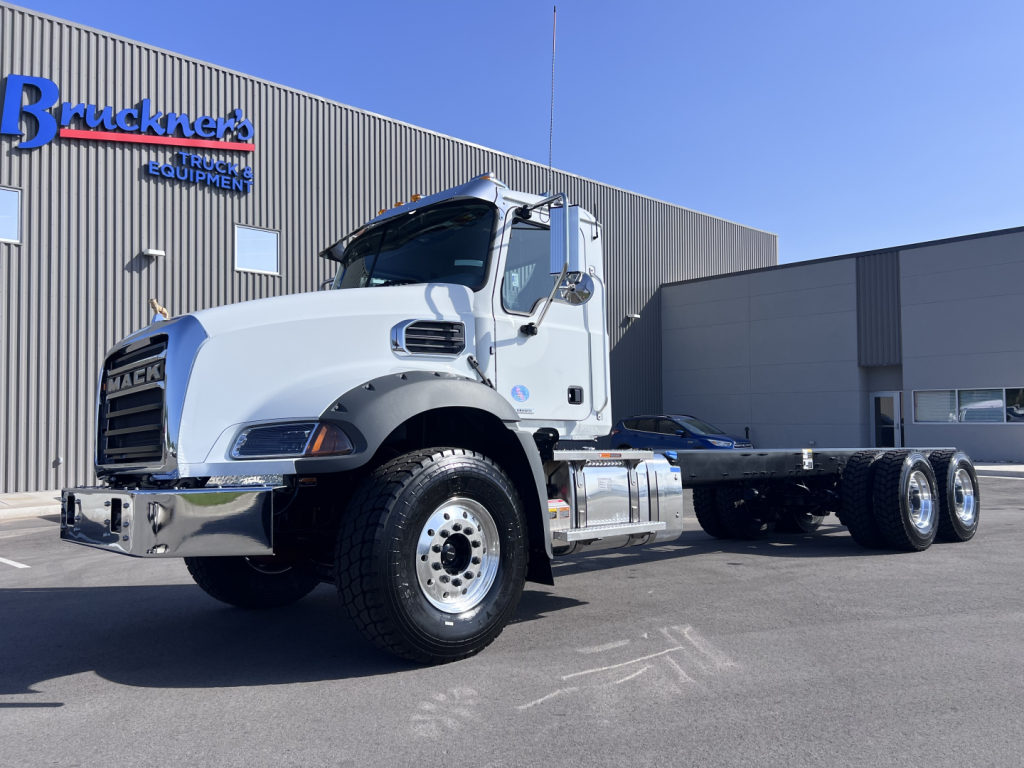
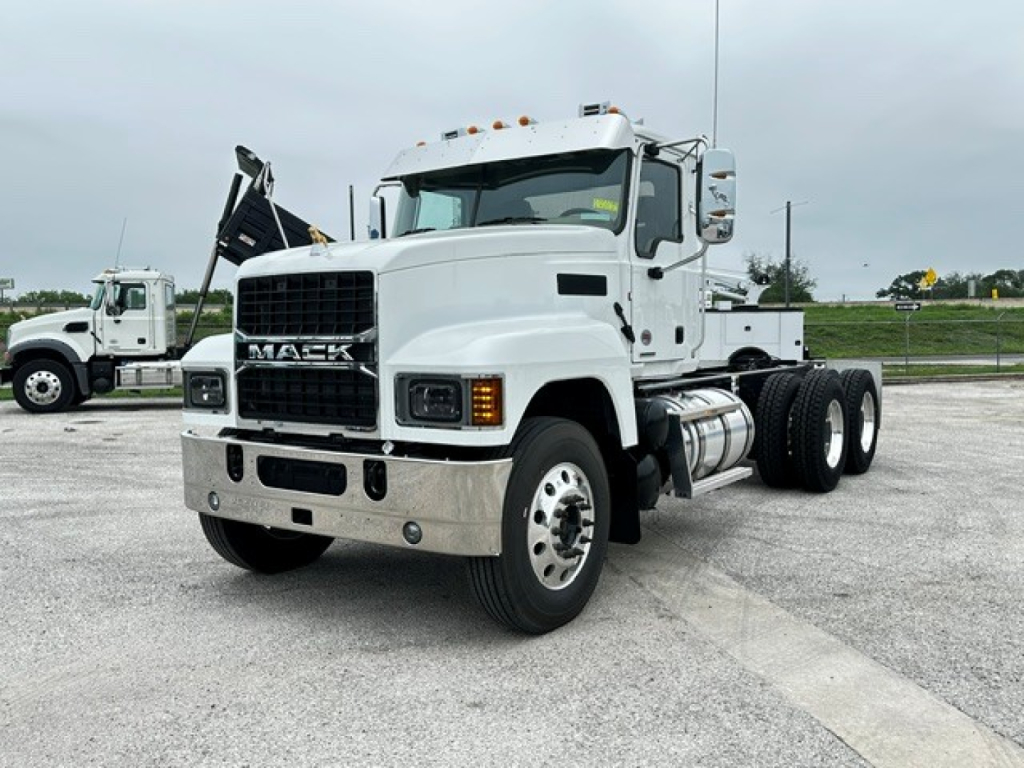
Showing 13 to 21 of 21 results
Have 2026 mack cab and chassis truck to sell? List it here to reach thousands of buyers.
About 2026 Mack Cab and Chassis Trucks
The most important buying decision is usually the chassis layout before the body ever goes on. Mack cab and chassis trucks are commonly ordered in 6x4 form, with front axle ratings around 20,000 pounds and tandem rears in the 40,000 to 46,000 pound range, depending on application. Wheelbase, cab-to-axle, and frame dimensions matter because they determine body fit, bridge compliance, and turning radius. Buyers should also look closely at suspension type, rear axle ratio, PTO compatibility, and whether lift axles or auxiliary axles are needed for local weight laws and payload targets. For body builders, clean frame rail space and clear upfit planning are just as important as horsepower.
Powertrain choices on late-model Mack vocational chassis typically center on MP7 and MP8 diesel engines paired with the mDRIVE automated manual or, in certain municipal and refuse applications, an Allison automatic. The MP7 is a common fit where a balance of weight, torque, and fuel economy matters. The MP8 is often selected when higher horsepower and stronger pulling power are needed for cranes, heavy materials handling, or demanding jobsite work. A 12-speed automated transmission is a common specification for mixed on-road and off-road use, while an Allison remains popular for constant start-stop routes and body equipment that benefits from smooth automatic operation. Features such as power steering refinements, differential locks, engine brakes or PowerLeash systems, and vocational cooling packages can make a noticeable difference in uptime and driver control.
A good Mack cab and chassis spec is the one that fits the body, route, and duty cycle without forcing compromises later. Buyers should confirm body-ready dimensions, fuel tank placement, exhaust routing, frame reinforcement, and any factory provisions for hoists, pumps, cranes, or refuse equipment. Visibility, cab access, and driver ergonomics also matter, especially in urban service. Mack has long been a strong name in severe-duty and municipal fleets because these trucks are designed around real vocational demands, not just highway specs adapted to a body. If the goal is a truck that can be built into a purpose-driven unit and stay productive under load, a 2026 Mack cab and chassis is a category worth close attention.
Frequently Asked Questions
What is the difference between a Mack Granite cab and chassis and a Mack LR cab and chassis?
The Mack Granite is a conventional vocational chassis commonly used for construction, utility, crane, dump, roll-off, and other heavy-duty upfits. The Mack LR is a low-entry cab and chassis designed primarily for refuse and municipal work, where frequent stops, easy cab entry, and wide visibility are priorities. The right choice depends on application, body style, route type, and driver operating conditions.
What specs matter most when buying a cab and chassis truck?
The most important specs are wheelbase, cab-to-axle, axle ratings, frame rating, rear axle ratio, suspension, and transmission type. Those dimensions and ratings determine what body can be installed, how the truck will carry weight, and whether it will meet local bridge and axle laws. Buyers should also verify PTO compatibility, fuel tank and exhaust placement, and any factory body-builder provisions needed for the planned equipment.
Which Mack engine is better for a vocational cab and chassis, the MP7 or MP8?
The MP7 is a strong choice for many vocational applications because it offers solid torque, manageable weight, and efficient performance across mixed-duty cycles. The MP8 is typically preferred when the truck will handle heavier payloads, crane work, severe grades, or demanding off-road conditions where added horsepower and torque are beneficial. The best engine depends on body weight, route profile, PTO demands, and expected gross operating weight.
Is an automated manual or an Allison automatic better for a Mack cab and chassis?
A Mack mDRIVE automated manual is often selected for construction and vocational applications where efficiency, drivability, and strong gear coverage are important. An Allison automatic is especially common in refuse, municipal, and stop-and-go work because it provides smooth shifting and easy operation in dense urban routes. The decision should be based on duty cycle, driver turnover, PTO operation, and terrain.
Can a Mack cab and chassis be ordered for specialized bodies like cranes or refuse packers?
Yes. Mack cab and chassis trucks are commonly spec'd for specialized bodies such as knuckle boom cranes, wallboard cranes, dump bodies, mechanics bodies, hooklifts, roll-offs, and refuse packers. The key is matching the chassis to the upfit requirements, including frame length, axle placement, PTO setup, hydraulic needs, and weight distribution. Early coordination between the truck spec and the body builder helps avoid fitment issues and downtime.