
New Isuzu Cab and Chassis Trucks For Sale in Texas
Shop new Isuzu cab and chassis trucks in Texas. Compare GVWR, wheelbase, gas or diesel power, and body-ready specs for upfit applications.
Learn more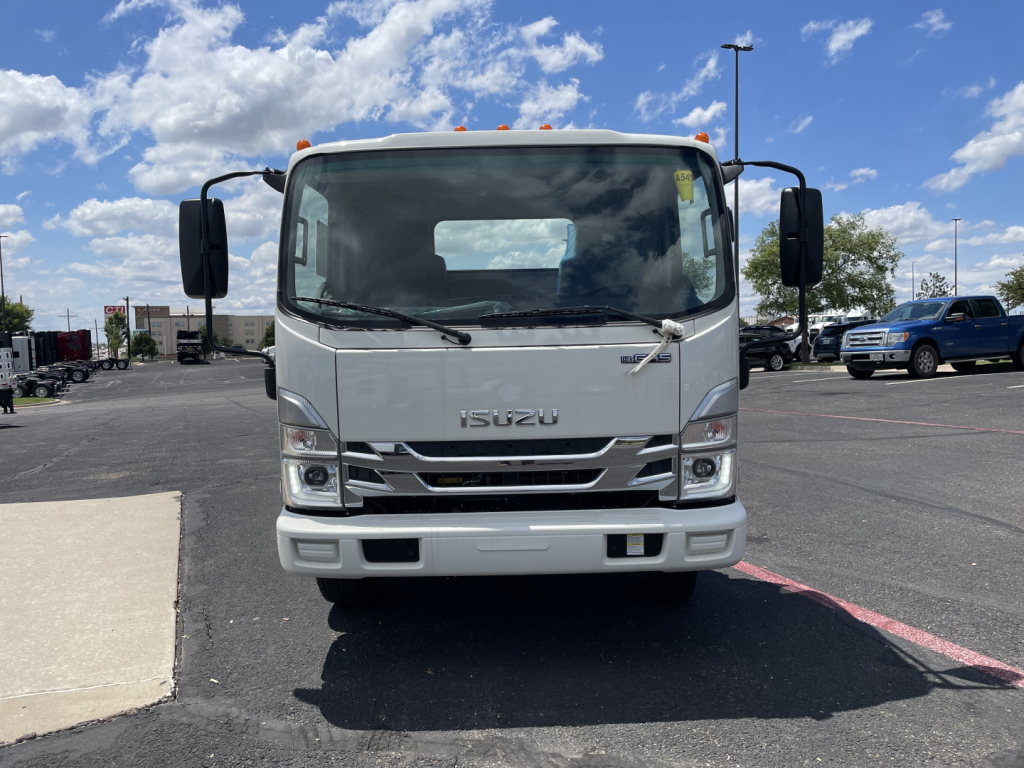
Have new isuzu cab and chassis truck to sell? List it here to reach thousands of buyers.
About New Isuzu Cab and Chassis Trucks in Texas
A buyer usually starts with GVWR, wheelbase, and powertrain. Isuzu cab and chassis models commonly fall into Class 3 through Class 5 ranges depending on configuration, with popular choices like the NPR, NPR-HD, NQR, and NRR. Gas models such as the NRR-Gas are often selected for local routes and municipal-style duty cycles, while diesel configurations are still favored by some buyers looking for torque characteristics and fuel strategy that fit heavier daily use. Key specs to compare include front and rear axle ratings, rear ratio, transmission type, cab-to-axle measurement, and suspension setup. Allison automatic transmissions are common in this segment, and that matters to fleets prioritizing driver familiarity, smooth shift quality, and easier training across mixed-experience operators.
Texas buyers should also think about operating environment before choosing a chassis. Urban delivery in Dallas, Houston, Austin, or San Antonio puts more value on cab visibility, short overall length, and easy entry and exit. Regional work across longer distances may shift attention toward payload planning, cruising RPM, and the final body application. Heat and stop-and-go service also make cooling performance, PTO compatibility, and upfit electrical integration worth reviewing early. If the truck will carry a van body, reefer unit, flatbed, dump body, or contractor body, it is important to confirm frame dimensions, available body and payload allowance, and any body-builder guidance from Isuzu before final spec decisions are made.
The biggest advantage in this category is fit-for-purpose configuration. A properly spec'd new Isuzu cab and chassis truck can reduce body installation issues, improve route efficiency, and keep the truck matched to its actual payload instead of buying too much or too little chassis. Buyers comparing listings should look closely at engine output, axle capacities, wheelbase, brake setup, fuel type, and intended body length rather than focusing on model name alone. In a market like Texas, where one truck may serve dense urban stops one day and open-road regional work the next, the right Isuzu cab and chassis setup is the one that balances maneuverability, legal payload, serviceability, and body compatibility.
Frequently Asked Questions
What is an Isuzu cab and chassis truck used for?
An Isuzu cab and chassis truck is a stripped truck platform delivered with the cab, frame, drivetrain, and axles so it can be upfitted with a specific body. Common applications include box trucks, refrigerated trucks, flatbeds, landscape bodies, stake beds, service bodies, dump bodies, and other vocational configurations. Buyers choose this format when they need a truck matched to a precise body length, payload target, and operating route instead of buying a finished body that may not fit the job.
Which Isuzu cab and chassis specs matter most when comparing listings?
The most important specs are GVWR, wheelbase, cab-to-axle length, axle ratings, engine, transmission, and rear axle ratio. Those numbers determine what body can be installed, how much payload the truck can legally carry, and how the truck will perform in city or regional service. Buyers should also verify suspension type, brake system, fuel type, and frame dimensions because those details affect upfit compatibility and long-term operating costs.
Is a gas or diesel Isuzu cab and chassis better for Texas fleets?
That depends on route length, payload, and maintenance strategy. Gas models are often a strong fit for local delivery, lower annual mileage, and fleets that want simpler emissions-related maintenance and easy fuel access. Diesel models can still make sense for heavier recurring loads and duty cycles where torque delivery and fuel economy at higher utilization are priorities. The better choice is the one that matches actual operating conditions, not just engine preference.
Why are low cab forward Isuzu trucks popular for urban delivery work?
Low cab forward design gives the truck a shorter bumper-to-back-of-cab measurement than a conventional hooded truck, which helps maximize body length within a compact overall footprint. It also improves forward visibility and usually makes the truck easier to maneuver in alleys, loading zones, and tight city streets. For multi-stop routes, easier entry and exit can also help reduce driver fatigue over the course of a shift.
How do I know if an Isuzu cab and chassis will fit the body I need?
Start by matching the body requirement to the truck's wheelbase and cab-to-axle dimension, then confirm frame height, axle capacity, and available payload after the body and equipment are installed. Body-builder guides and upfitter specifications are important because a truck that looks close on paper may still need a different wheelbase, rear ratio, or weight distribution to work correctly. For any specialized body such as a reefer, dump, or service body with PTO needs, electrical and drivetrain compatibility should be reviewed before purchase.