
International Cab and Chassis Trucks For Sale in New York
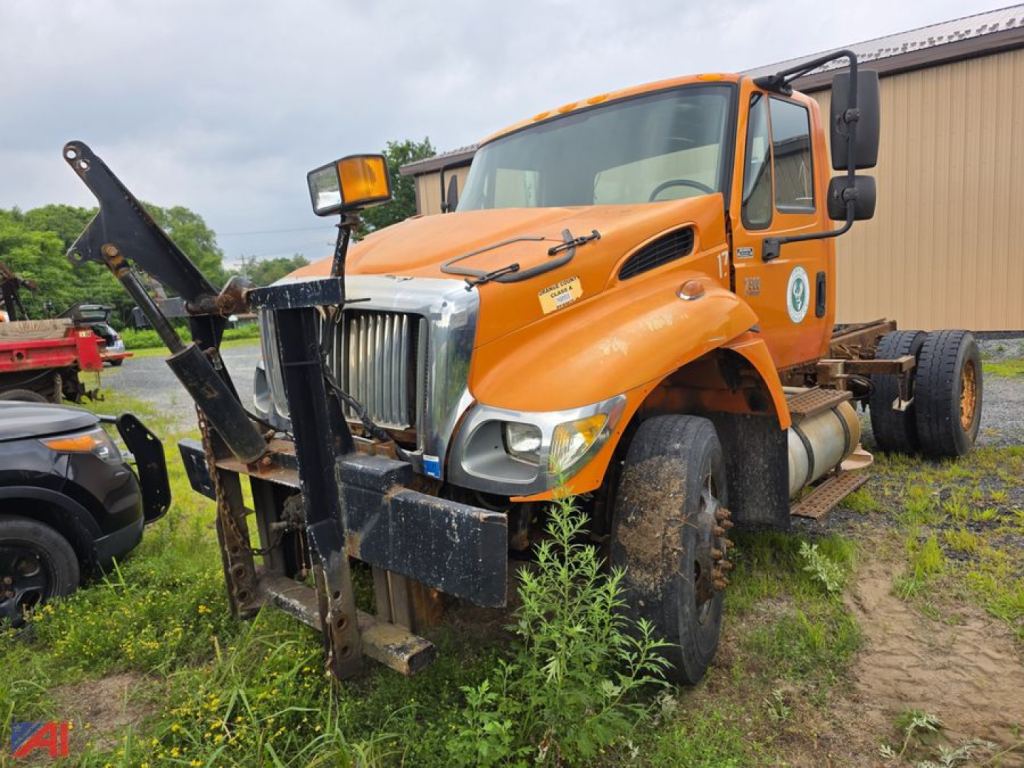
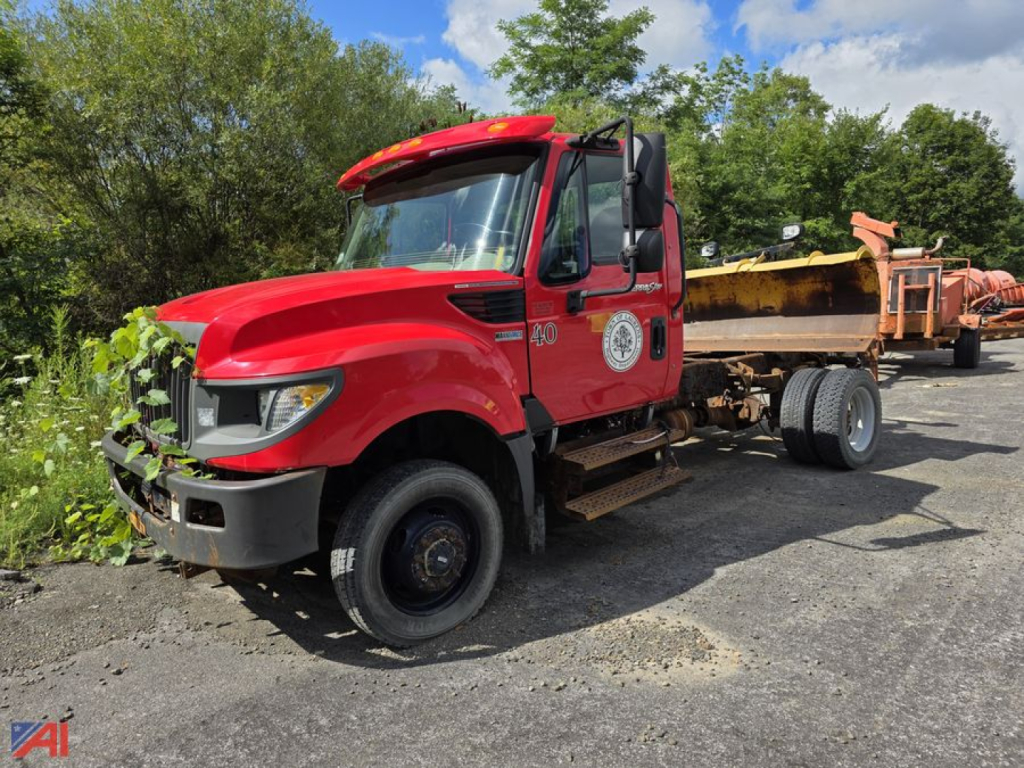
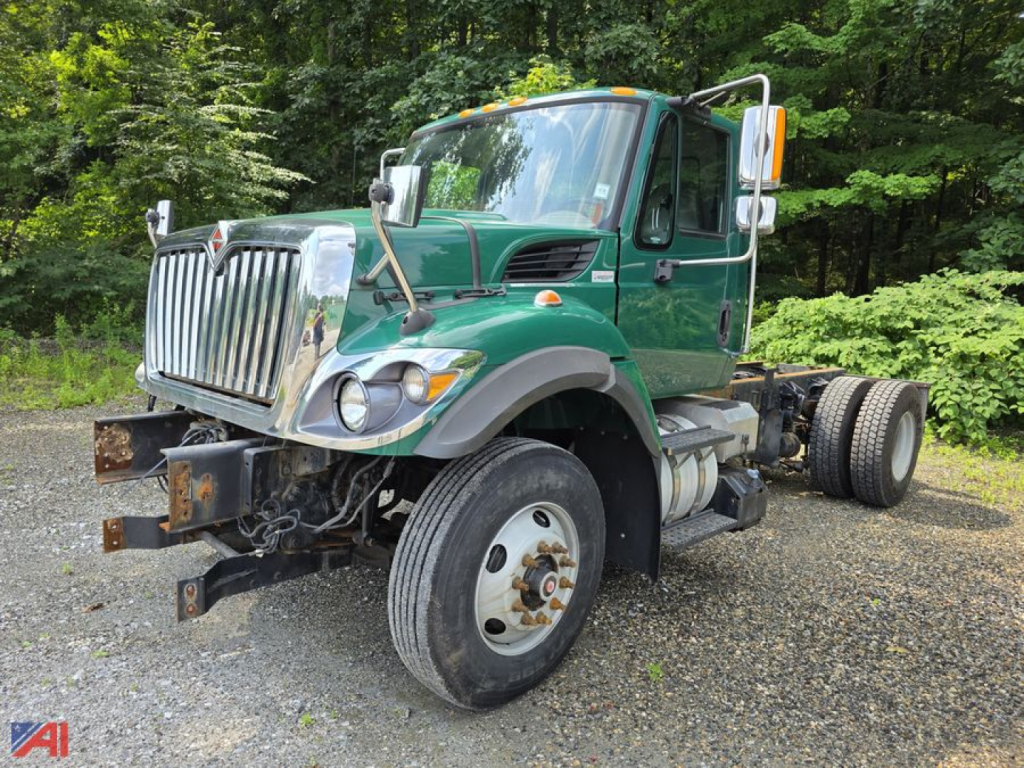
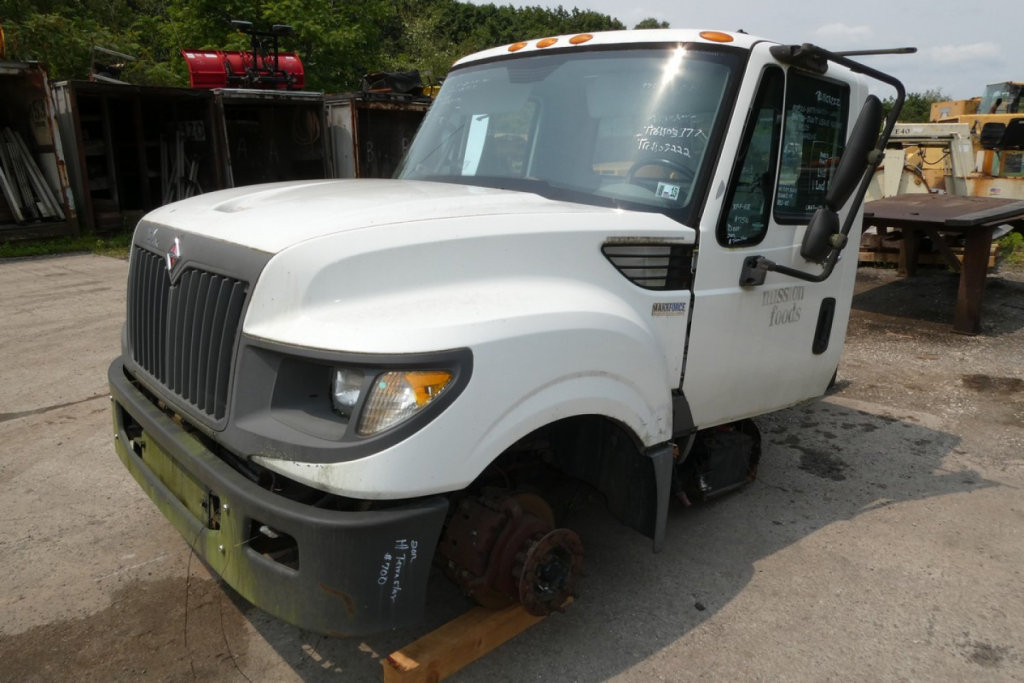
Have international cab and chassis truck to sell? List it here to reach thousands of buyers.
International Cab and Chassis Trucks in New York
On International models, common buying points include engine family, transmission type, rear axle ratio, brake configuration, and suspension. Medium-duty examples often show up with diesel engines paired to Allison automatic transmissions, hydraulic brakes, and spring suspension, while heavier chassis may move into air brakes, higher-capacity rear axles, and components better suited for sustained payload or towing demands. Horsepower and torque matter, but so does the intended duty cycle. A local delivery or service application may prioritize maneuverability, lower step-in height, and PTO compatibility, while a truck destined for a heavier body or frequent stop-and-go work may need closer attention to cooling package, frame rail condition, and front axle capacity.
In New York, corrosion and frame condition deserve extra scrutiny. A cab and chassis that spent time on salted roads should be checked carefully at the frame rails, crossmembers, spring hangers, brake and fuel lines, wiring, battery box mounts, and cab supports. Upfit buyers should also inspect for previous body removal, drilled frame sections, PTO provisions, and any signs of hard vocational use. Wheelbase and turning radius can be just as important as engine output in tighter urban work, especially for municipal fleets, contractors, and delivery operations working around city streets, alleys, and loading areas.
International remains a familiar choice because parts support, service knowledge, and body-builder familiarity are generally strong across much of the market. The best cab and chassis truck is usually the one with the correct dimensional specs and weight ratings for the body you plan to install, not simply the highest horsepower on the page. Buyers should confirm GVWR, front and rear axle ratings, cab-to-axle, cab-to-end, frame height, and transmission PTO capability before committing to an upfit. That approach helps avoid expensive rework and puts the chassis in the right role from day one.
Frequently Asked Questions about International Cab and Chassis Trucks in New York
What should I check first on an International cab and chassis truck?
Start with the dimensional and weight-bearing specs that determine whether the truck can accept the body you plan to install. Cab-to-axle, wheelbase, cab-to-end, GVWR, front axle rating, and rear axle rating are the key numbers. If those do not match the body builder's requirements, engine and transmission preferences will not fix the problem. Frame condition, PTO compatibility, and whether the truck uses hydraulic or air brakes should also be confirmed early.
Are International cab and chassis trucks good for upfitting?
Yes. International cab and chassis trucks are widely used for dump bodies, flatbeds, utility bodies, box bodies, rollbacks, stake beds, and municipal equipment. They are common in vocational and medium-duty service, which means many body installers are familiar with the platform. Buyers still need to verify exact frame dimensions, clear frame space, axle capacity, and electrical or PTO requirements for the intended upfit.
What is the difference between an International medium-duty cab and chassis and a heavier chassis?
Medium-duty International cab and chassis trucks are typically selected for delivery, service, landscaping, and lighter vocational work where maneuverability and lower GVWR are important. Heavier chassis are better suited for larger bodies, higher payload demands, towing equipment, and more severe duty cycles. The difference usually shows up in axle ratings, frame strength, brake system type, suspension, transmission choice, and engine torque rather than in brand alone.
Why does cab-to-axle matter so much on a cab and chassis truck?
Cab-to-axle is one of the main measurements used to fit a body correctly on the frame. If the CA dimension is wrong, the body may not mount properly, axle loading may be off, and accessories such as liftgates, hoists, or tool compartments may not fit as intended. Buyers comparing International cab and chassis trucks should match the CA dimension to the exact body manufacturer requirements instead of estimating from overall truck length.
What should buyers in New York watch for on used cab and chassis trucks?
Rust and corrosion are major concerns in New York due to winter road treatment. Buyers should inspect frame rails, crossmembers, brake lines, fuel system components, electrical harness routing, suspension mounting points, and cab structure for corrosion or repairs. If the chassis previously carried a body, check for non-factory frame drilling, weld repairs, and wear from hydraulic, towing, or municipal service. A clean-looking truck can still have expensive structural and upfit-related issues underneath.