
2015 International Cab and Chassis Trucks For Sale
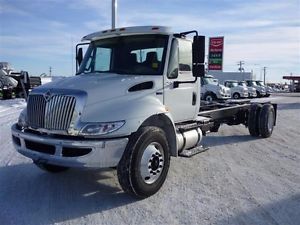
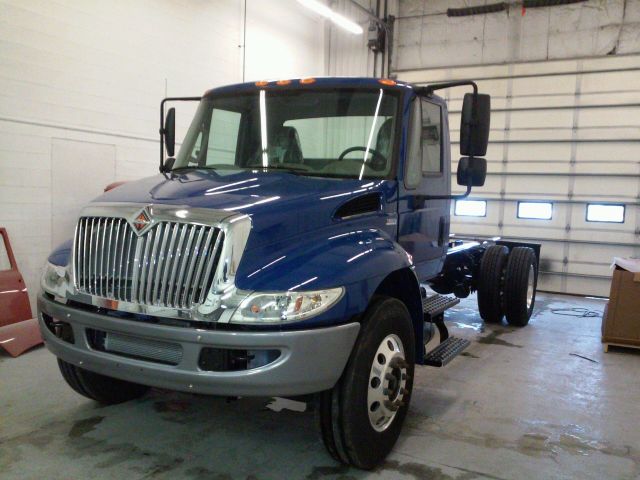
Shop 2015 International cab and chassis trucks. Compare wheelbases, GVWR, engine options, PTO setups, and body-ready configurations.
Learn more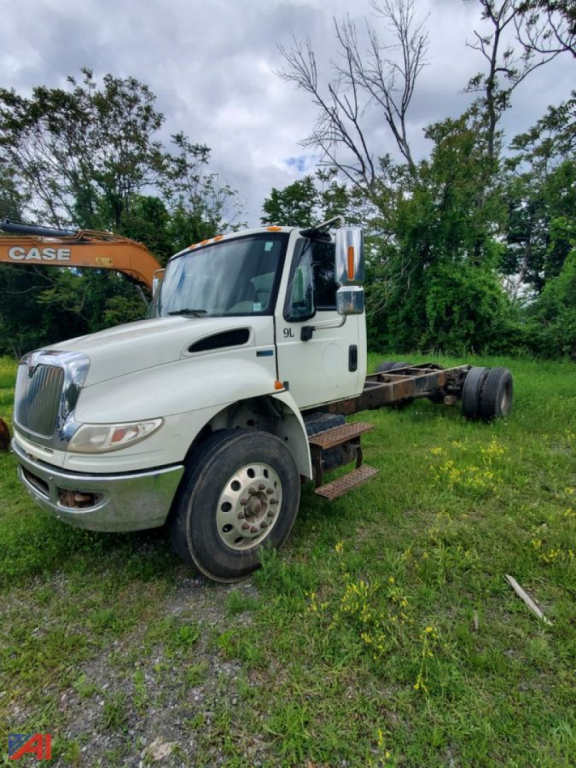
Have 2015 international cab and chassis truck to sell? List it here to reach thousands of buyers.
About 2015 International Cab and Chassis Trucks
On a 2015 International, buyers will commonly see diesel power from the DT466, MaxxForce, or Cummins families depending on model and original spec. Transmission choices often include Allison automatics or manual gearboxes, and that matters if the truck will spend its life in stop-and-go municipal work, local delivery, or PTO-driven vocational service. GVWR ratings can vary substantially, so it is important to confirm front axle, rear axle, suspension, and brake specifications rather than shopping by model badge alone. For many body builders, frame condition is just as important as the powertrain. Check for clean, straight rails, usable frame length, existing PTO provisions, and whether the truck has already been drilled, stretched, or modified.
A 2015 cab and chassis International can make sense for fleets that want a proven platform with broad service familiarity and strong parts support. International medium-duty trucks are common in municipal, contractor, beverage, towing, and delivery fleets, so many shops already know the chassis well. Buyers comparing units should look closely at wheelbase, cab-to-axle, single-axle versus tandem configuration, fuel tank placement, exhaust routing, and any interference points that affect body installation. If the truck is intended for a van body or reefer body, body length and rear axle placement become central. If it is intended for a dump or utility body, PTO compatibility, suspension spec, and frame reinforcement usually matter more.
The best 2015 International cab and chassis truck for sale is the one that reduces upfit complications and fits the finished application without costly rework. A lower-priced truck can become expensive if the frame must be altered or if axle ratings do not support the completed body and payload. Buyers should verify wheelbase, cab-to-axle, GVWR, engine emissions equipment, transmission model, and title status before committing to an upfit plan. For buyers who need a body-ready commercial truck with flexible vocational potential, this equipment class remains one of the most practical ways to build a truck around the work instead of adapting the work to the truck.
Frequently Asked Questions
What is a cab and chassis truck used for?
A cab and chassis truck is a truck sold with the cab, frame, drivetrain, and running gear in place, but without a completed rear body. It is designed to accept an upfit such as a box body, flatbed, dump body, utility body, tow body, service body, or hooklift. Buyers choose this configuration when they need a truck tailored to a specific commercial application rather than a factory-completed body style.
What should I check first on a 2015 International cab and chassis?
Start with the measurements that determine body fit: wheelbase, cab-to-axle, and usable frame length. After that, confirm GVWR, front and rear axle ratings, suspension type, transmission model, and PTO capability. On a used 2015 unit, frame condition and prior modifications are especially important because stretched, cut, or heavily drilled rails can complicate body installation and change load capacity.
Which engines are common in 2015 International cab and chassis trucks?
Common engine options depend on the model and original build spec, but buyers often encounter International DT466 or other MaxxForce variants, and in some configurations Cummins diesel power. The right engine choice depends on duty cycle, service support, and emissions considerations. It is smart to confirm the exact engine family and emissions system components on any 2015 truck before purchase, especially if the truck will operate in regions with strict compliance requirements.
Is a 2015 International cab and chassis good for a box truck or flatbed conversion?
Yes, if the chassis dimensions and ratings match the intended body. For a box truck, reefer, or delivery body, the critical factors are cab-to-axle, wheelbase, frame height, and rear axle placement. For a flatbed, buyers also pay close attention to frame rail condition, tie-down compatibility, and payload capacity. The truck works well for either application when the body builder does not have to make major frame or suspension changes to complete the upfit.
How do I know if the truck is PTO-ready?
PTO readiness depends on both the transmission and the chassis spec. Many vocational buyers need a power take-off for dump bodies, hydraulic systems, compressors, cranes, or wrecker equipment. Confirm that the transmission supports PTO operation, check for existing PTO openings or installed hardware, and review whether the truck already has the wiring, hydraulic provisions, or engine programming needed for PTO use. PTO compatibility is much easier to verify before body installation than after.