
Cab and Chassis Trucks For Sale in Indiana
Browse cab and chassis trucks for sale in Indiana. Compare wheelbase, GVWR, axle setup, engine, PTO readiness, and body upfit compatibility.
Learn more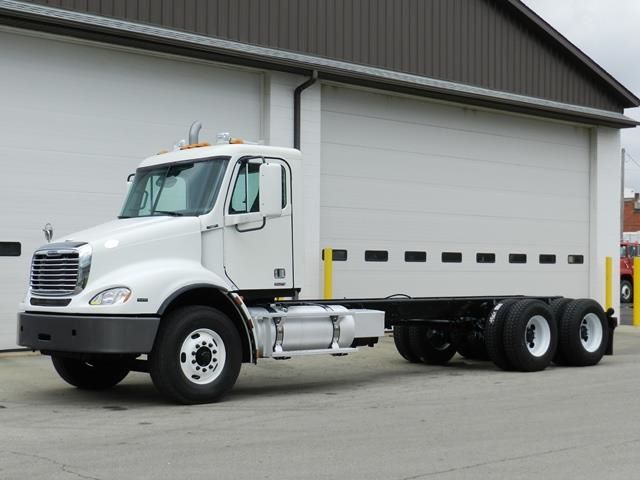
Have cab and chassis truck to sell? List it here to reach thousands of buyers.
About Cab and Chassis Trucks in Indiana
The most important measurement on a cab and chassis is not just overall wheelbase, but cab-to-axle and cab-to-end-of-frame dimensions. Those numbers determine what body length will fit and how the finished truck will balance on the axles. Common configurations include single-axle 4x2 and tandem-axle 6x4 layouts, with GVWR and GCWR varying widely by application. Diesel engines dominate the category, paired with automatic or automated transmissions for stop-and-go vocational work, though manual transmissions still appear in heavier or older specs. PTO provision is a major buying point when the truck will run hydraulic equipment such as hoists, pumps, compressors, or winches. Buyers should also confirm rear axle ratio, suspension type, front axle capacity, and whether the truck has a single or double frame if the intended upfit will carry concentrated loads.
A good cab and chassis spec is application-driven. For local delivery or utility work, maneuverability and shorter wheelbases matter. For dump, towing, or equipment hauling, heavier front axles, stronger rear suspensions, locking differentials, and higher horsepower become more important. Features like pintle hitches, trailer air and electrical, engine brakes, and Allison automatic transmissions are common on trucks expected to tow or work in mixed on-road and jobsite conditions. In Indiana, buyers also pay attention to bridge law, seasonal road conditions, and whether the truck's axle spacing will support the legal payload target after the body is installed.
On used cab and chassis trucks, inspection should focus on more than engine hours and mileage. Check frame rail drilling, previous body removal work, rust around crossmembers and spring hangers, PTO operation, wiring at the rear of frame, and signs of overload such as cracked liners or suspension wear. Verify tire size, brake condition, steering component wear, and front axle loading if a heavy body or plow package is planned. A clean cab and chassis with the right dimensions and ratings can be far more valuable than a higher-horsepower truck that needs frame modifications to accept the body you want.
Frequently Asked Questions
What is a cab and chassis truck used for?
A cab and chassis truck is a truck sold with the cab, frame, drivetrain, and axles in place, but without a permanent body installed. It is intended for upfitting with a dump body, flatbed, utility body, service body, wrecker, tank, van body, hooklift, or other vocational equipment. The category is popular with contractors, municipalities, towing operators, landscapers, oilfield fleets, and utility companies because the same basic truck platform can be configured for many different jobs.
How do I know what body will fit a cab and chassis truck?
The body must match the truck's cab-to-axle, wheelbase, frame height, axle capacities, and intended load distribution. Cab-to-axle is one of the most important measurements because it largely determines usable body length. Buyers should also confirm cab-to-end-of-frame, rear overhang limits, and whether the upfit requires PTO power, outriggers, or reinforcement. A body manufacturer or upfitter can match these dimensions to the correct body size and mounting layout.
What should I check first on a used cab and chassis truck?
Start with frame condition, axle ratings, and dimensions before looking at cosmetic details. Confirm there is no severe rust, frame damage, poor drilling, or evidence of improper body removal. Then verify engine and transmission operation, PTO readiness, suspension type, and brake condition. If the truck will carry a heavy body such as a dump or mechanics setup, check front axle capacity and double-frame construction because those items affect both safety and legal payload.
Are automatic transmissions common in cab and chassis trucks?
Yes. Automatic and automated transmissions are common in cab and chassis applications because many of these trucks work in stop-and-go routes, congested job sites, and PTO-driven vocational service. Allison automatics are especially common in dump, towing, utility, and municipal work because they are durable and easy to operate. Manual transmissions are still found in older fleets and some heavy-duty applications where buyers want simplicity or tighter control over gearing.
Why does wheelbase matter so much on a cab and chassis?
Wheelbase affects turning radius, ride quality, axle loading, and body compatibility. A truck with the wrong wheelbase may not accept the body you need without frame modifications, and poor axle placement can create balance problems once the upfit is installed. Shorter wheelbases are easier to maneuver in urban or jobsite conditions, while longer wheelbases may be necessary for larger bodies, tool storage, or legal axle spacing on heavier applications.