
1999 Freightliner Cab and Chassis Trucks For Sale
Shop 1999 Freightliner cab and chassis trucks built for body upfit work, medium to severe-duty applications, and dependable vocational service.

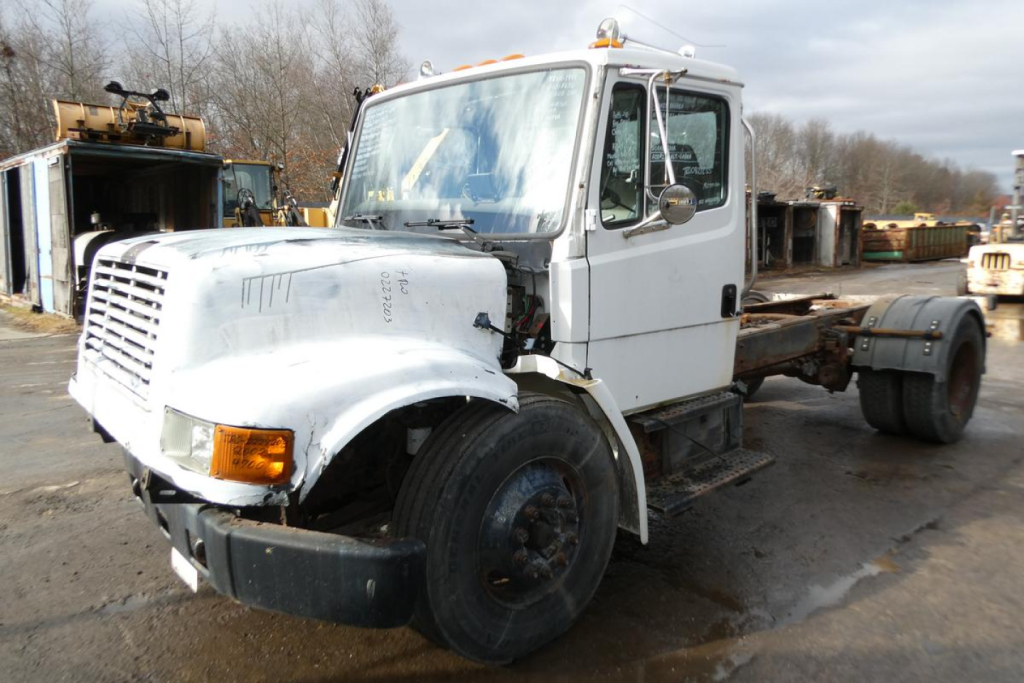

Have 1999 freightliner cab and chassis truck to sell? List it here to reach thousands of buyers.
1999 Freightliner Cab and Chassis Trucks
The first decision point is usually wheelbase and cab-to-axle length, since those dimensions determine what body can be installed without compromises. Buyers also pay close attention to frame rail spec, axle ratings, suspension type, PTO capability, and whether the truck has single or tandem rear axles. Depending on the original configuration, a 1999 Freightliner cab and chassis may be set up for local delivery, utility fleet service, construction work, or severe-duty applications. Common powertrains from this period include Detroit Diesel, Caterpillar, and Cummins engines paired with manual, automated, or Allison automatic transmissions, so drivability and service preference often come down to the engine-transmission combination.
Because this is a pre-emissions-era truck, many buyers target 1999 models to avoid the added complexity of later DPF, DEF, and EGR systems. That can make them attractive for fleets that want simpler diagnostics and easier in-house maintenance. Condition still matters more than model year alone. On an older Freightliner chassis, inspect frame corrosion, crossmembers, spring hangers, steering play, brake system condition, wiring integrity, and evidence of previous body removal or frame modifications. If the truck is intended for an upfit, verify clear frame space, existing PTO provisions, rear axle ratio, and GVWR so the finished build matches the job.
Freightliner cab and chassis trucks from 1999 can be a practical fit for buyers who need a vocational truck with flexible body options and proven mechanical components. The right truck depends less on badge and more on how the chassis was originally ordered. A truck with the correct wheelbase, axle spec, transmission, and frame strength will usually be more valuable than one that simply has lower miles. For many buyers, the best approach is to match the chassis to the planned body, loaded operating weight, and route type before comparing cosmetic condition.
Frequently Asked Questions about 1999 Freightliner Cab and Chassis Trucks
What is a cab and chassis truck used for?
A cab and chassis truck is an incomplete truck built to accept a vocational body behind the cab. Common uses include flatbeds, dump bodies, utility bodies, box bodies, tow bodies, service bodies, and tank installations. The value of a cab and chassis is in its flexibility, since the same basic platform can be configured for construction, delivery, municipal, agricultural, or fleet maintenance work.
Why do buyers look for a 1999 Freightliner cab and chassis?
Many buyers seek 1999 Freightliner trucks because they are pre-emissions models with simpler diesel engine systems than later trucks. That usually means no DPF or DEF equipment and fewer electronic emissions components to diagnose or replace. For operators with in-house maintenance capability, that simplicity can reduce downtime and make the truck easier to keep in vocational service.
What specs matter most when buying a used cab and chassis truck?
The most important specs are cab-to-axle length, wheelbase, GVWR, axle ratings, frame strength, suspension type, and PTO compatibility. Those items determine what body can be installed and how the finished truck will perform under load. Buyers should also confirm engine make, transmission type, rear axle ratio, brake configuration, and whether the chassis has enough clear frame rail space for the intended equipment.
Are older Freightliner cab and chassis trucks good for upfitting?
Yes, many older Freightliner chassis are still solid upfit candidates if the frame, driveline, and electrical system are in good condition. A well-spec'd older chassis can be very workable for flatbeds, dumps, utility bodies, and hydraulic equipment. The key is to inspect for rust, prior frame alterations, wiring damage, and drivetrain wear before committing to a body installation.
How do I know if a cab and chassis will fit my body length?
Body fit starts with cab-to-axle and overall wheelbase measurements, not just the truck's general size. The body manufacturer will usually provide recommended CA dimensions for each body length and application. Buyers should compare those measurements with frame layout, axle placement, and any PTO or hydraulic requirements to make sure the body mounts correctly and weight is distributed properly.