
Ford Cab and Chassis Trucks For Sale in New York
Shop Ford cab and chassis trucks for upfit work bodies, dumps, vans, and utility builds with GVWR, wheelbase, and CA options that matter.
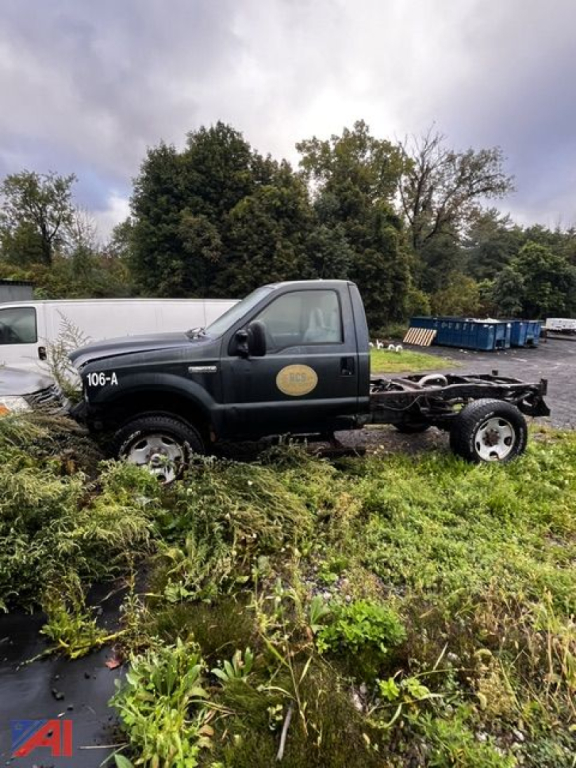
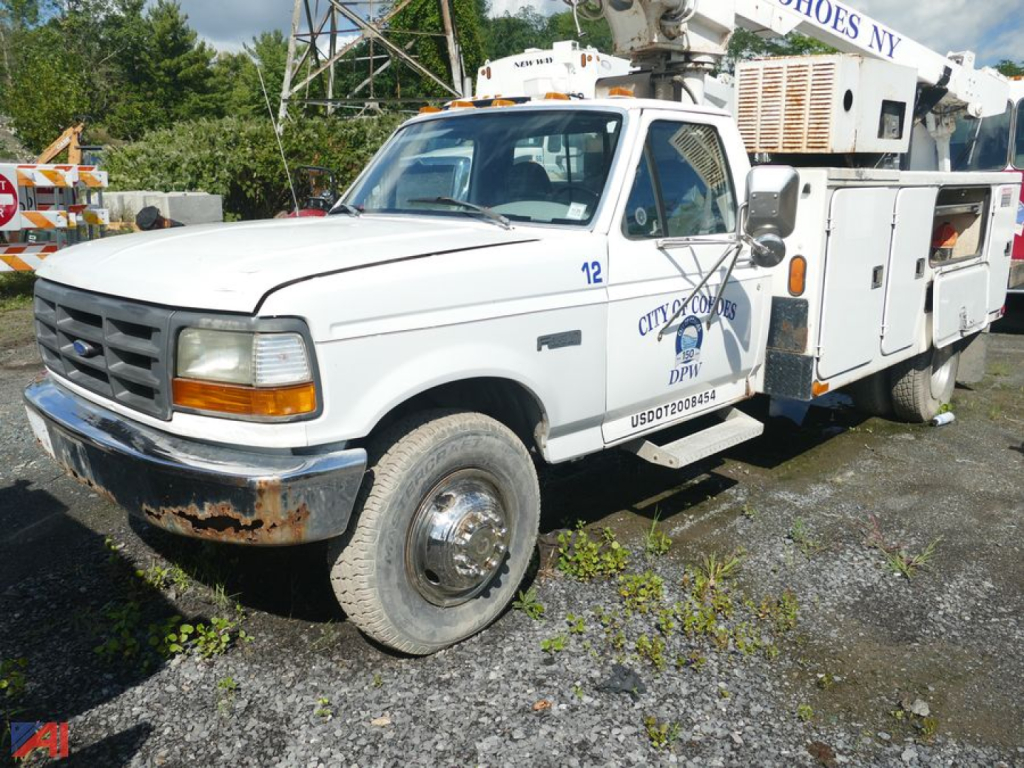
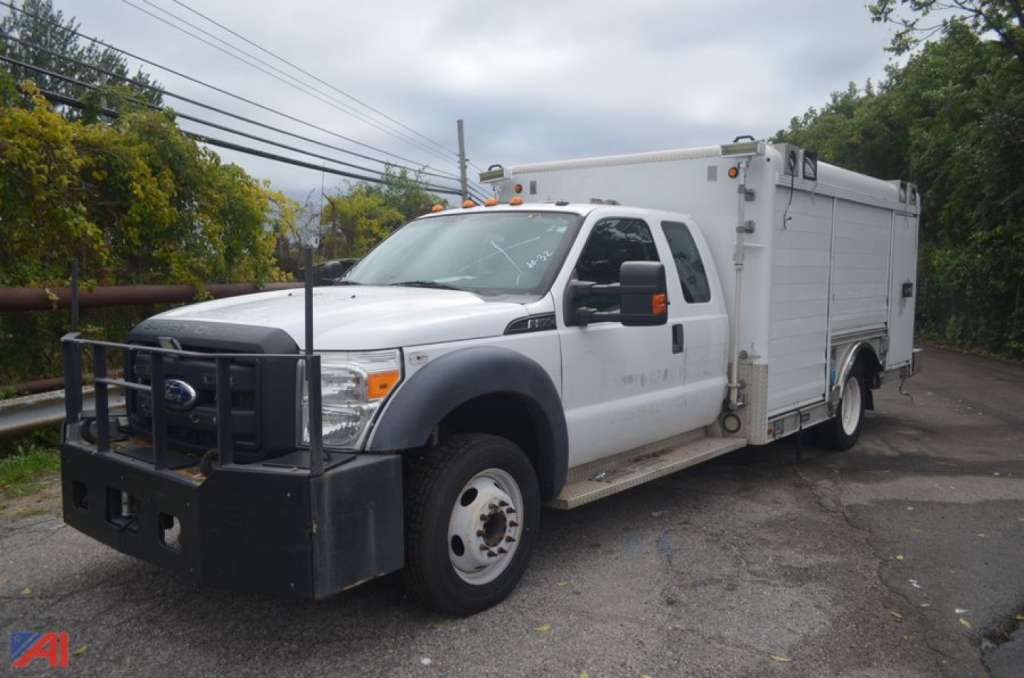
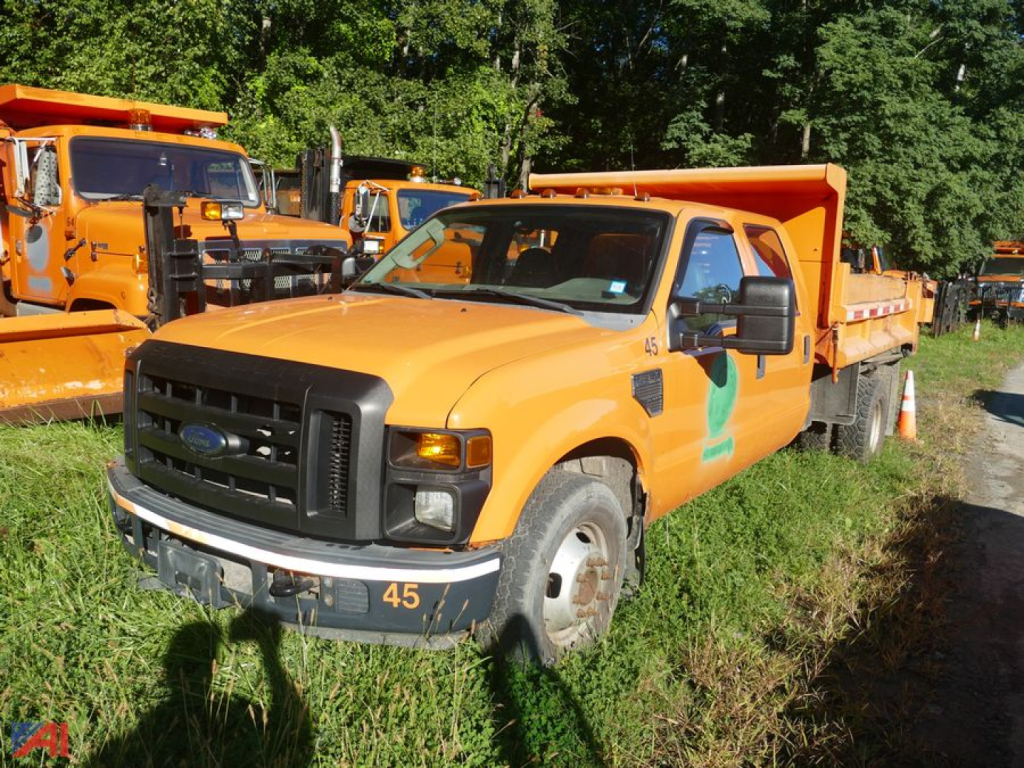
Have ford cab and chassis truck to sell? List it here to reach thousands of buyers.
Ford Cab and Chassis Trucks in New York
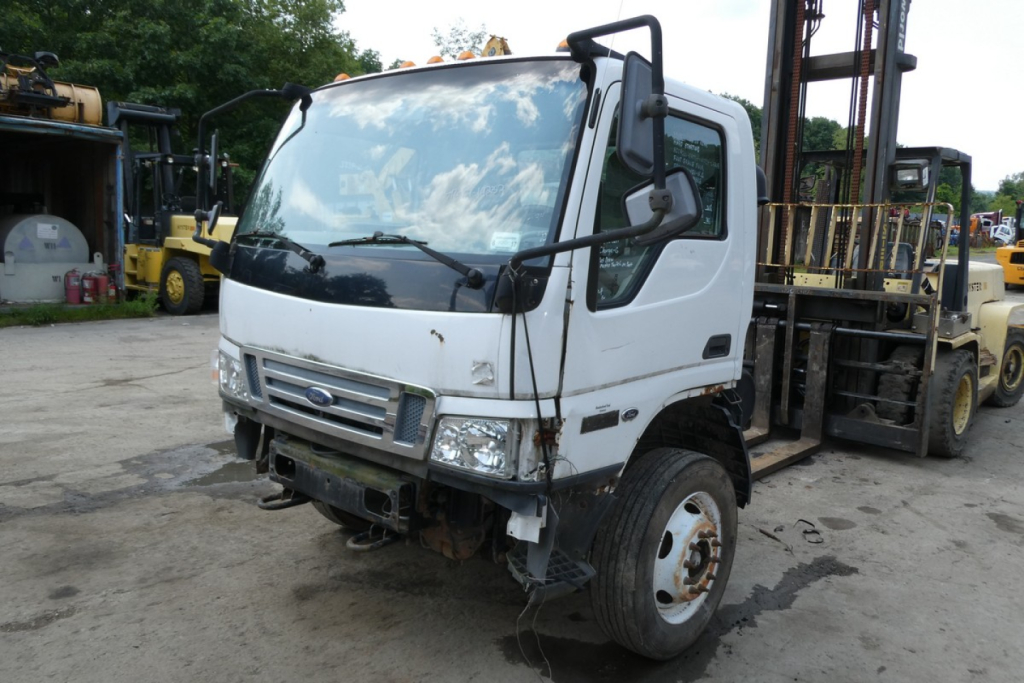
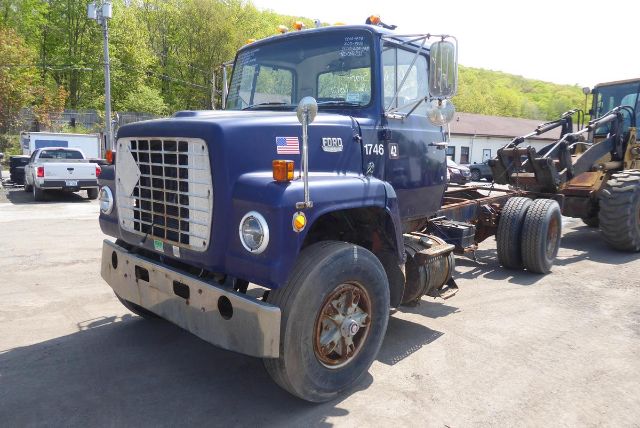
Ford has long been a practical choice in this segment because the platform is familiar to fleets, parts support is broad, and body builders know the frame layouts well. Older medium-duty Ford models such as the F-Series conventionals and Ford 8000-class trucks are still found in vocational service, while newer Super Duty cab and chassis models are common in lighter commercial work. Depending on the series and year, you may see gas or diesel power, automatic or manual transmissions, single rear axle configurations, spring suspension, and hydraulic or air brake setups. On heavier older trucks, components like Rockwell rears, Allison automatics, and Caterpillar diesel repowers are not unusual, so spec verification is important when comparing listings.
A buyer should pay close attention to intended body type and operating environment. For stop-and-go municipal or contractor work, an automatic transmission and lower rear gearing can make the truck easier to run all day. For heavier payloads or towing, front and rear axle ratings, frame condition, and suspension capacity deserve a close look. In New York, corrosion exposure is a real factor, so frame rail rust, crossmember condition, brake lines, spring hangers, cab mounts, and electrical connections should be inspected carefully before purchase. If the truck is being bought for an immediate upfit, confirm that the frame has not been altered in a way that complicates body installation, PTO use, or fuel tank and battery box placement.
Ford cab and chassis trucks appeal to buyers who need a straightforward vocational platform rather than a finished body truck. The value is in matching the chassis to the job: enough cab-to-axle for the body, enough GVWR for the loaded application, and a drivetrain that local technicians can support. When comparing units, look beyond mileage and model year and focus on the hard specs that affect upfit cost, legal payload, maneuverability, and service life.
Frequently Asked Questions about Ford Cab and Chassis Trucks in New York
What is the most important measurement on a Ford cab and chassis truck?
Cab-to-axle, usually shown as CA, is one of the most important measurements because it determines what body length will fit properly behind the cab. Wheelbase and cab-to-end also matter, but CA is the number most body installers use first when matching a truck to a service body, dump, van body, or flatbed. A buyer should confirm these measurements against the planned upfit before purchase.
How do I choose the right GVWR for a Ford cab and chassis?
Start with the finished truck weight, not the bare chassis weight. Add the body, equipment, fuel, passengers, tools, and expected payload, then compare that total to the truck’s GVWR and axle ratings. A truck can run out of rear axle capacity before it reaches total GVWR, especially with concentrated loads like tool bodies, cranes, or salt spreaders. Matching the chassis to the real working load is more important than buying solely by engine or model name.
Are older Ford cab and chassis trucks still useful for commercial work?
Yes, many older Ford medium-duty cab and chassis trucks are still viable for local vocational service if the frame, drivetrain, brakes, and electrical systems are sound. Their appeal is often lower acquisition cost and simple mechanical components. The tradeoff is that condition varies widely, and buyers need to inspect rust, parts compatibility, engine swaps, transmission condition, and any prior frame modifications before committing to an upfit.
What should buyers in New York inspect first on a used cab and chassis truck?
Rust and structural condition should be high on the list. Frame rails, crossmembers, spring mounts, cab supports, brake components, fuel system hardware, and wiring can all be affected by road salt exposure. Buyers should also check whether the truck has air or hydraulic brakes, verify axle ratings on the door tag or chassis plate, and confirm that the frame is straight and usable for the intended body installation.
Can a Ford cab and chassis be used for different body types?
Yes, that is the main advantage of the cab and chassis configuration. The same basic truck can support a box body, flatbed, dump body, utility body, stake body, hooklift, or other vocational build if the frame length, CA dimension, axle capacity, and drivetrain are appropriate. The best choice depends on the finished application, body weight, and how the truck will be loaded and driven every day.