
Used Crane Carrier Cab and Chassis Trucks For Sale in New York
Browse used Crane Carrier cab and chassis trucks for vocational upfits, with heavy-duty specs, PTO compatibility, and builder-friendly layouts.
Learn more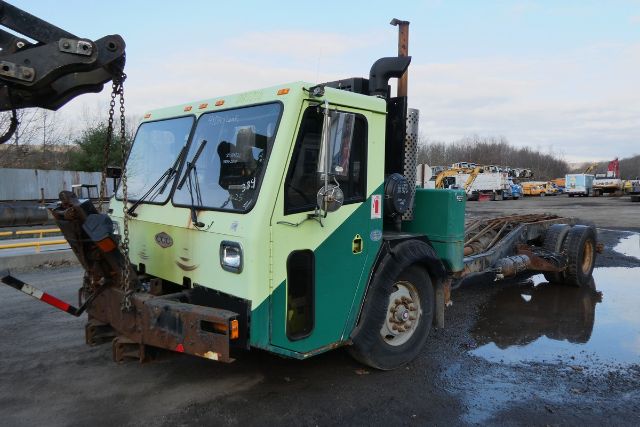
Have used crane carrier cab and chassis truck to sell? List it here to reach thousands of buyers.
About Used Crane Carrier Cab and Chassis Trucks in New York
The first buying decision is usually the upfit you plan to mount. A cab and chassis intended for a rear loader, roll-off, tanker, vacuum unit, or service body needs the right wheelbase, cab-to-axle, frame section, and suspension package before anything else. Common used Crane Carrier specs include diesel engines from Cummins, Allison automatic transmissions, heavy front axles around 16,000 to 20,000 pounds, and rear axles or tandem setups that can support high-GVW vocational work. Hendrickson rubber block or other severe-duty suspensions are common because these trucks are often expected to handle stop-and-go routes, uneven job sites, and high body weights. On used units, pay close attention to axle ratio, PTO provisions, frame modifications, and whether the chassis has a drop frame or other body-specific configuration that may limit or improve compatibility with your intended equipment.
Condition matters differently on a used cab and chassis than it does on a finished truck. The key question is not just mileage, but total engine hours, idle time, transmission condition, hydraulic readiness, and frame integrity. Many Crane Carrier chassis spend their lives in municipal or contractor service, so corrosion, crossmember repairs, electrical add-ons, and previous body-mount holes deserve close inspection, especially in New York where winter road treatment can accelerate rust. Buyers should also inspect steering components, suspension wear points, tire size consistency, brake system condition, and any signs of PTO or driveline stress. If the truck came from a refuse or heavy vocational cycle, low miles can still hide high wear from constant stops, high idle hours, and heavy payload exposure.
A good used Crane Carrier cab and chassis can save substantial upfit cost if the dimensions and ratings line up with your body plan. Verify GVWR, front and rear axle ratings, wheelbase, cab-to-axle measurement, and frame height before budgeting the build. It is also smart to confirm engine emissions year, parts support, and service access for the specific model, since specialty vocational chassis can differ from mainstream commercial truck platforms. Buyers who match the chassis to the body, duty cycle, and local service capability usually get the best long-term value from this equipment class.
Frequently Asked Questions
What is a Crane Carrier cab and chassis truck typically used for?
A Crane Carrier cab and chassis truck is typically used as a foundation for vocational bodies such as refuse packers, vacuum and sewer units, utility bodies, tankers, street sweepers, and other municipal or contractor equipment. The chassis is built to accept specialized upfits, so buyers focus on frame layout, axle ratings, wheelbase, PTO capability, and suspension rather than cargo box features. Crane Carrier units are especially common in severe-service applications where durability and body integration are critical.
What should I check first on a used Crane Carrier cab and chassis?
Start with compatibility for the body you intend to mount. Confirm wheelbase, cab-to-axle, cab-to-end, frame type, and GVWR, then inspect the frame rails, crossmembers, and any evidence of previous upfit work. After that, review engine hours, transmission operation, axle ratings, suspension condition, and PTO setup. On vocational trucks, wear from idle time and stop-and-go service is often more important than odometer miles alone.
Are Crane Carrier chassis good for heavy vocational work?
Crane Carrier chassis are designed specifically for heavy vocational service and are widely recognized for that role. Many are spec'd with heavy front axles, robust rear axle capacities, Allison automatic transmissions, and severe-duty suspension options that suit refuse, municipal, and industrial applications. The right unit can be an excellent platform for demanding work, but the value depends on how closely its existing configuration matches your intended body and duty cycle.
Why do cab-to-axle and wheelbase measurements matter so much?
Cab-to-axle and wheelbase measurements determine whether a body will fit correctly and whether weight will be distributed properly across the axles. A mismatch can create clearance issues, overload an axle, or require expensive frame changes before installation. On a used cab and chassis, these dimensions are often more important than cosmetic condition because they directly affect what can be mounted and how the completed truck will perform.
What are common concerns when buying a used vocational chassis in New York?
In New York, corrosion is one of the biggest concerns because road salt can affect frames, brake lines, electrical connections, suspension components, and body-mount hardware. Buyers should inspect the underside carefully for scaling, patched sections, and rust around spring hangers, crossmembers, and mounting points. It is also important to review emissions compliance, municipal maintenance history when available, and local parts and service support for the specific Crane Carrier model.