
Cab and Chassis Trucks For Sale in California
Browse cab and chassis trucks for sale in California, including diesel and electric platforms for box, service, dump, utility, and delivery bodies.
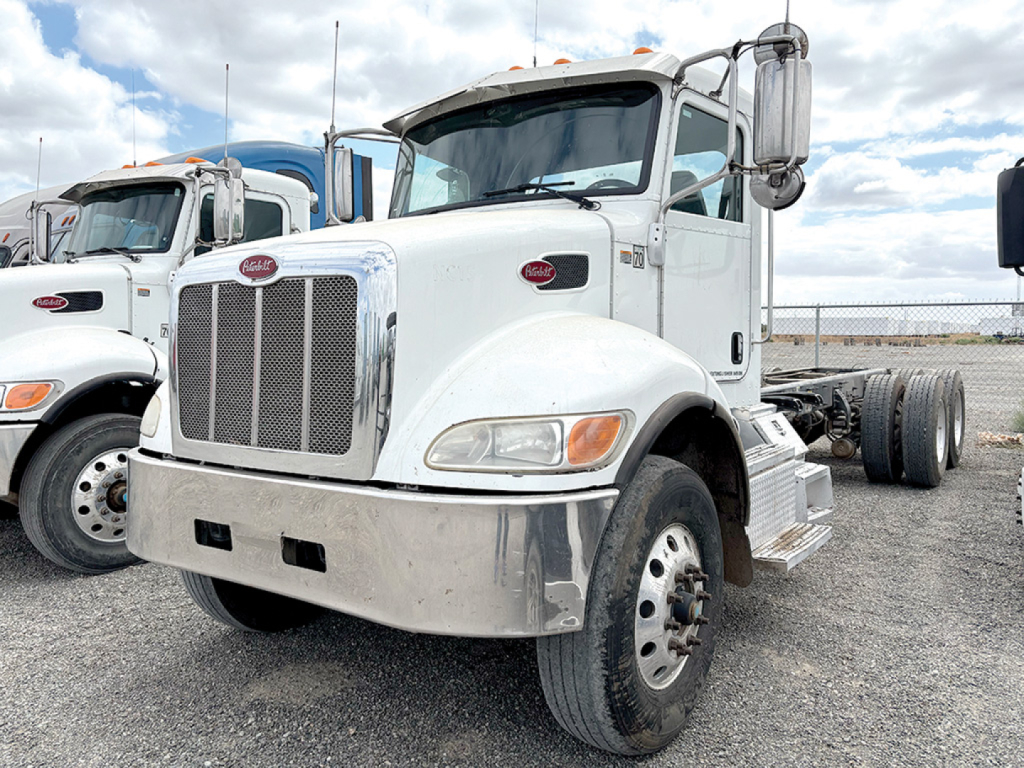
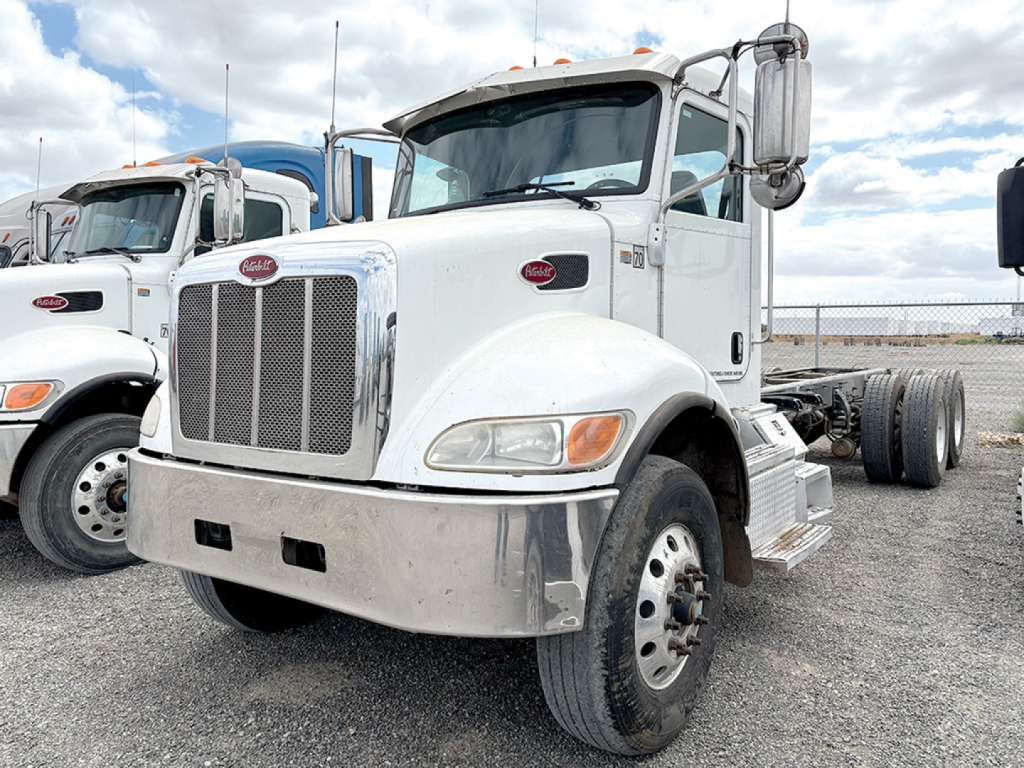
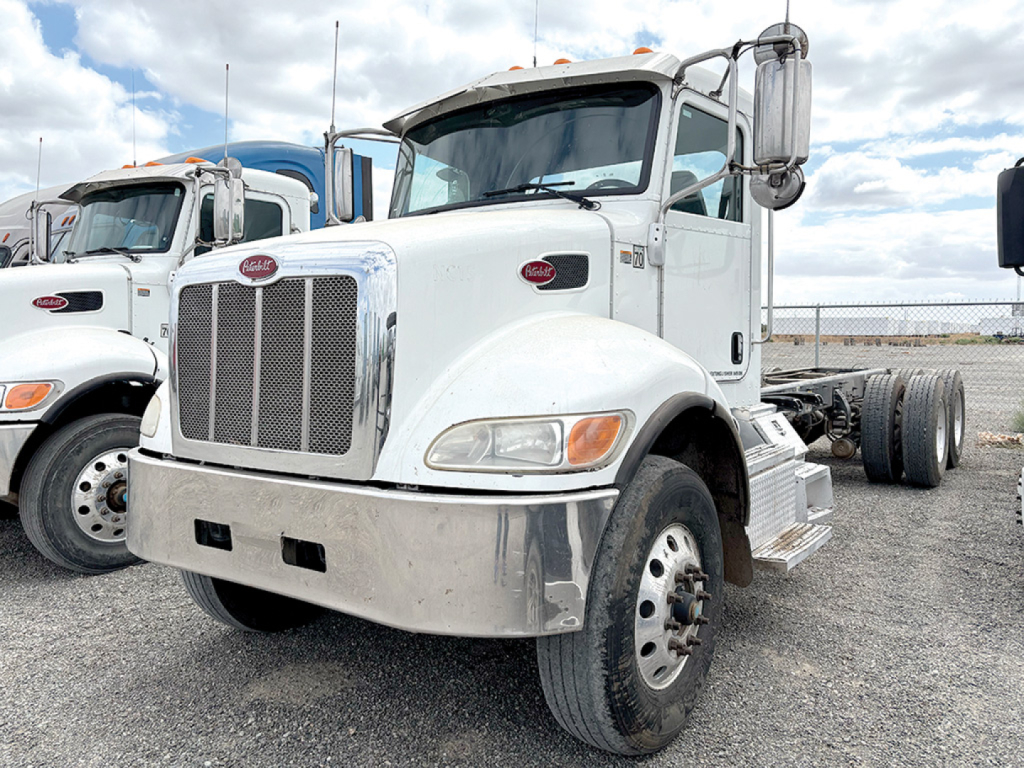

Selling a cab and chassis truck? List your cab and chassis truck for sale and reach thousands of commercial buyers.
Cab and Chassis Trucks in California
The main buying decision is matching chassis class to payload and duty cycle. In this category, that can range from lighter Class 4 and Class 5 platforms such as Ford F-550 and similar medium-duty models, up to heavier Class 6 through Class 8 cab and chassis trucks used for transfer, municipal, utility, and regional vocational work. Common specs include regular cab, extended cab, and crew cab layouts, diesel or gasoline engines, automatic transmissions, PTO capability, and wheelbases sized for body lengths from compact service bodies to full van bodies and dumps. California buyers should pay close attention to emissions equipment condition, CARB compliance, DPF and SCR service history, and idle or route profile, especially on used diesel units. Electric cab and chassis trucks are also becoming more relevant for urban delivery and municipal work where predictable routes, low noise, and depot charging fit the operation.
Frame and upfit details deserve as much attention as engine and mileage. Check cab-to-axle and axle-to-end-of-frame dimensions, frame height, rear suspension type, brake spec, fuel tank placement, and any factory body-builder provisions. If the truck will carry a crane, compressor, liftgate, reefer unit, or hydraulic dump, confirm PTO compatibility, available electrical capacity, and front axle reserve after the body is installed. On heavier chassis, buyers should also look at rear axle ratio, locking differentials, suspension rating, and turning radius if the truck will work in dense urban areas, yards, or construction sites. A clean frame with minimal drill damage and no corrosion around crossmembers is usually a better starting point for a custom body than a truck that has already seen multiple repowers or body removals.
For California operations, registration class, bridge exposure, city access, and emissions rules can shape the buying decision as much as payload. Local delivery, utility fleets, film production support, landscaping, beverage distribution, municipal maintenance, and hot shot or specialty vocational work all use cab and chassis platforms differently. The best truck in this category is the one that leaves enough payload after the body is mounted, has the wheelbase to carry the equipment properly, and fits the service environment without creating avoidable compliance or maintenance costs.
Frequently Asked Questions about Cab and Chassis Trucks in California
What is a cab and chassis truck used for?
A cab and chassis truck is a bare chassis with a cab and open frame rails designed to accept a vocational or commercial body. Common uses include box trucks, flatbeds, utility bodies, dump bodies, service trucks, refrigerated trucks, stake beds, and tow bodies. The chassis is selected first for weight capacity, wheelbase, and powertrain, then finished with the body and equipment required for the job.
How do I choose the right wheelbase for a cab and chassis truck?
Start with the body length and the body builder’s required cab-to-axle dimension. Wheelbase affects body fit, axle loading, turning radius, and ride quality. A truck with the wrong wheelbase can limit body options or create improper weight distribution after the upfit is installed. For used units, confirm the exact cab-to-axle and axle-to-end-of-frame measurements instead of relying only on model name or class.
What should California buyers check on used diesel cab and chassis trucks?
California buyers should verify CARB-related compliance, emissions label information, DPF and SCR condition, fault history, and maintenance records. A truck may run well but still need expensive aftertreatment repairs or software-related emissions work. It is also smart to confirm registration status, operating area requirements, and whether the truck’s duty cycle matches the health of the emissions system, especially on low-speed or stop-and-go vocational applications.
Are electric cab and chassis trucks practical for commercial use?
Electric cab and chassis trucks can be practical when routes are predictable, daily mileage is controlled, and charging is available at a depot or facility. They are commonly considered for urban delivery, municipal service, and local freight applications. Buyers should compare usable range with payload, accessory load, charging speed, and downtime between shifts because body equipment such as liftgates or refrigeration can affect overall energy use.
What matters most when buying a cab and chassis for an upfit?
The most important factors are GVWR, front and rear axle ratings, wheelbase, cab-to-axle measurement, frame condition, and compatibility with the intended body equipment. PTO provision, transmission type, electrical capacity, suspension rating, and fuel tank placement also matter. A chassis that looks like a bargain can become expensive if it needs frame modifications, axle upgrades, or emissions work before the body can be installed and legally operated.